

20 guides
 Austin Moving GuidesAustin House Moving GuideWhat house moves have that apartment moves do not: garages, attics, yard equipment, HOA notice, and a closing date that can move under you.
 Austin Moving GuidesAustin Furniture Installation and Assembly GuideAssembly and installation work that is not a move: flat-pack builds, office workstations, and reassembly at a new address, plus what to send for a scope.
 Austin Moving GuidesAustin Furniture and Single-Item MovesOne piece, not a household. What a single-item quote depends on in Austin: weight, the tightest turn on the route, stairs, and disassembly.
 Austin Moving GuidesAustin Moving and Storage Stop GuideWhen a storage unit sits between two addresses: load order, facility access hours, vehicle restrictions, and why it should be planned as one job.
 Austin Moving GuidesAustin Packing Services GuideChoosing a packing level by what actually breaks and what actually costs crew time, rather than picking a package name off a list you cannot compare.
 Austin Moving GuidesAustin Office Decommissioning GuideLease exit in Austin: reading the restoration clause, separating what must go from what you keep, workstation teardown, and where the material ends up.
 Austin Moving GuidesAustin Office Move Planning GuideSequencing an Austin office relocation around what the building approves: dock reservations, freight elevator windows, after-hours access, and insurance.
 Austin Moving GuidesAustin Apartment and Mid-Rise Moving GuideGarden-style and mid-rise apartment moves in Austin: move-in packets, insurance certificates, gate codes, breezeway carries, and garage height limits.
 Austin Moving GuidesLong-Distance Moving From AustinHow to tell a carrier from a broker before you book a long-distance move out of Austin, and how to plan access at a destination you cannot visit.
 Austin Moving GuidesAustin Moving Services GuideWhich moving service you actually need in Austin, decided by inventory, building access, and distance rather than by picking a package name off a list.
 Austin Moving GuidesLakeway, Bee Cave and Dripping Springs Moving GuideWest-side Hill Country access: driveway grade above Lake Travis, gated community entry rules, low tree canopy, and caliche drives that change with weather.
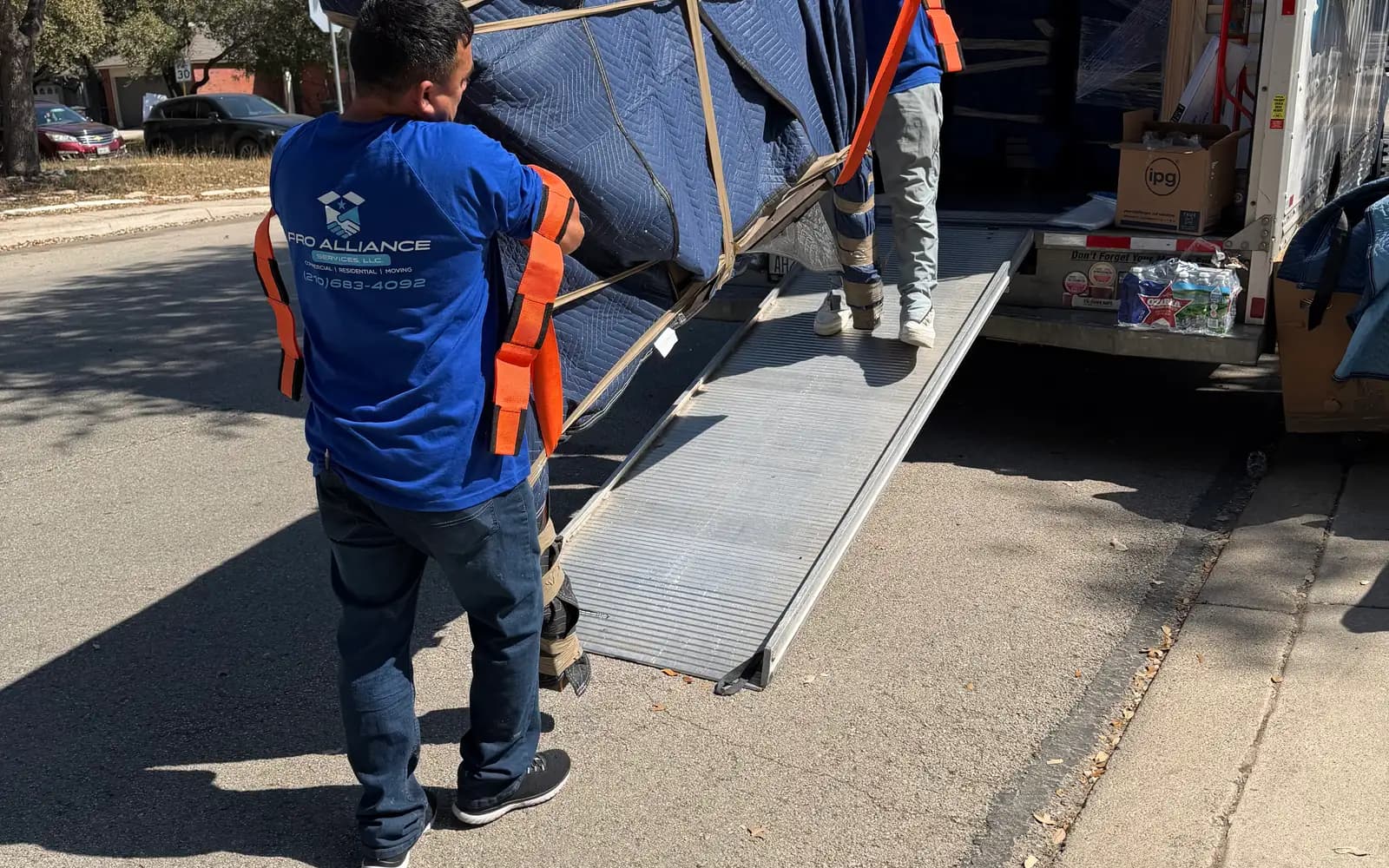 Austin Moving GuidesKyle, Buda and San Marcos Moving GuideThe I-35 south corridor: one-way frontage roads, alley garages in Plum Creek, older streets in downtown Buda, and the San Marcos lease turnover.
 Austin Moving GuidesPflugerville and Hutto Moving GuideAlley-loaded garages, community vehicle rules, US 79 rail crossings, and when SH 130 or SH 45 beats I-35 for a loaded truck in Pflugerville and Hutto.
 Austin Moving GuidesGeorgetown TX Moving Access GuideGeorgetown runs two kinds of move: downsizing inside Sun City, and older homes near the Square. Plus a city utility you schedule separately.
 Austin Moving GuidesLeander Moving Access GuideMoving into a Leander subdivision that maps have not caught up with: builder phase access, contractor traffic, driveway grade, and rail-station apartments.
 Austin Moving GuidesCedar Park Moving Access GuideWhat shapes a Cedar Park move: 183A toll routing for a loaded truck, cul-de-sac turnarounds, and garage-forward homes that change the carry route.
 Austin Moving GuidesRound Rock Moving Access GuidePlanning a Round Rock move around association rules, I-35 construction closures, and the older downtown streets where trucks and tree canopy conflict.
 Austin Moving GuidesSouth Austin Moving GuideMoving in South Austin means narrow streets, houses with no driveway, alley loading, and interior turns built before modern furniture existed.
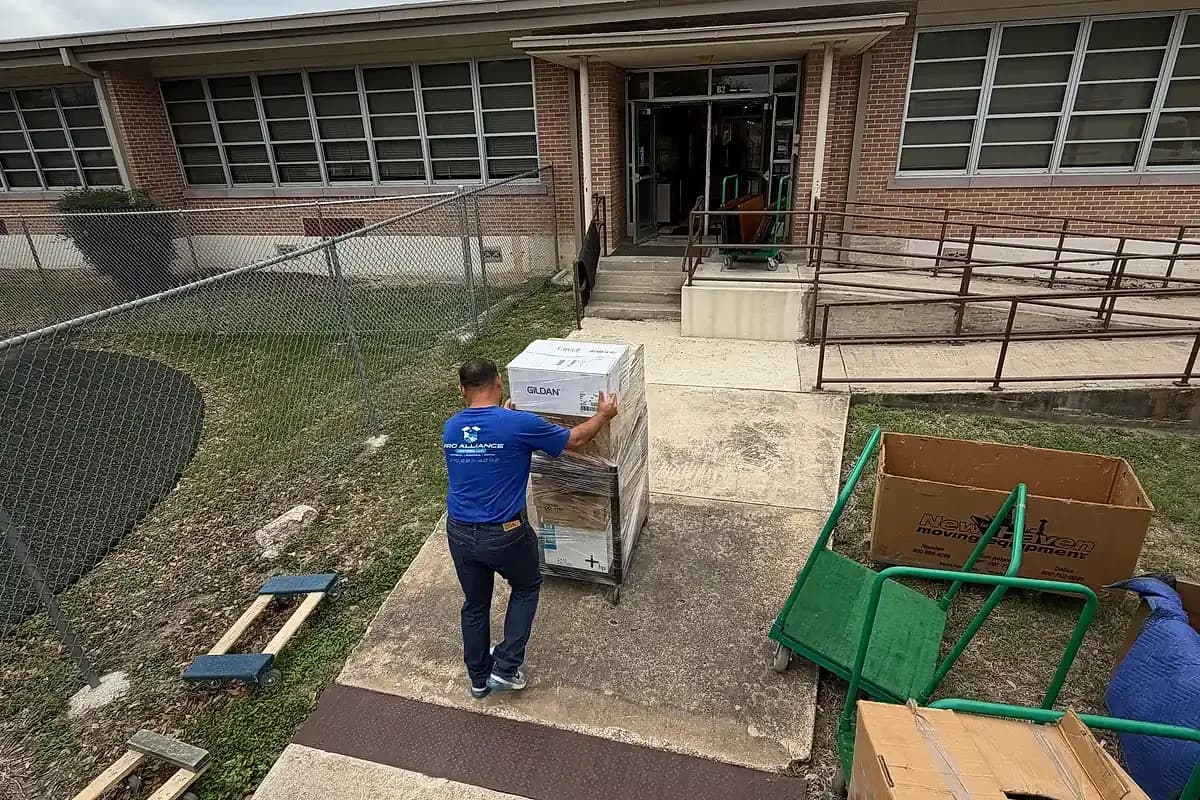 Austin Moving GuidesNorth Austin Moving GuidePlanning a North Austin move around structured parking heights, loading docks shared with retail, elevator reservations, and MoPac and US 183 timing.
 Austin Moving GuidesAustin Metro Moving Access GuideWhat decides an Austin move: where a truck can legally stand, which corridor and toll route applies, and what the building or association requires.