South of the river the housing gets older, the lots get narrower, and the driveways frequently stop existing. Streets in Bouldin Creek, Travis Heights, Dawson, and the blocks off South First and South Congress were laid out for a car that was smaller than a modern SUV, and a lot of those houses were built before anyone owned a sectional sofa.
That combination produces two specific problems. The truck has nowhere obvious to stand, and the furniture may not physically clear the front door. Both are solvable, and both are much cheaper to solve a week early than at eight in the morning.
The newer parts of South Austin, out past William Cannon and Slaughter, behave like normal suburbs. This guide is mostly about the parts that do not.
Direct answer: A South Austin move usually turns on three measurements and one phone call. Measure the front door width, the tightest interior turn (often a hallway corner or a stair landing in a pier-and-beam house), and the clear curb length where a truck could legally stand. Then find out whether your block has an alley behind it and whether it is passable. Send those four answers with a room-by-room inventory and a photo of the street, and the estimate will match the job instead of guessing at it.
Short answer: what makes South Austin different
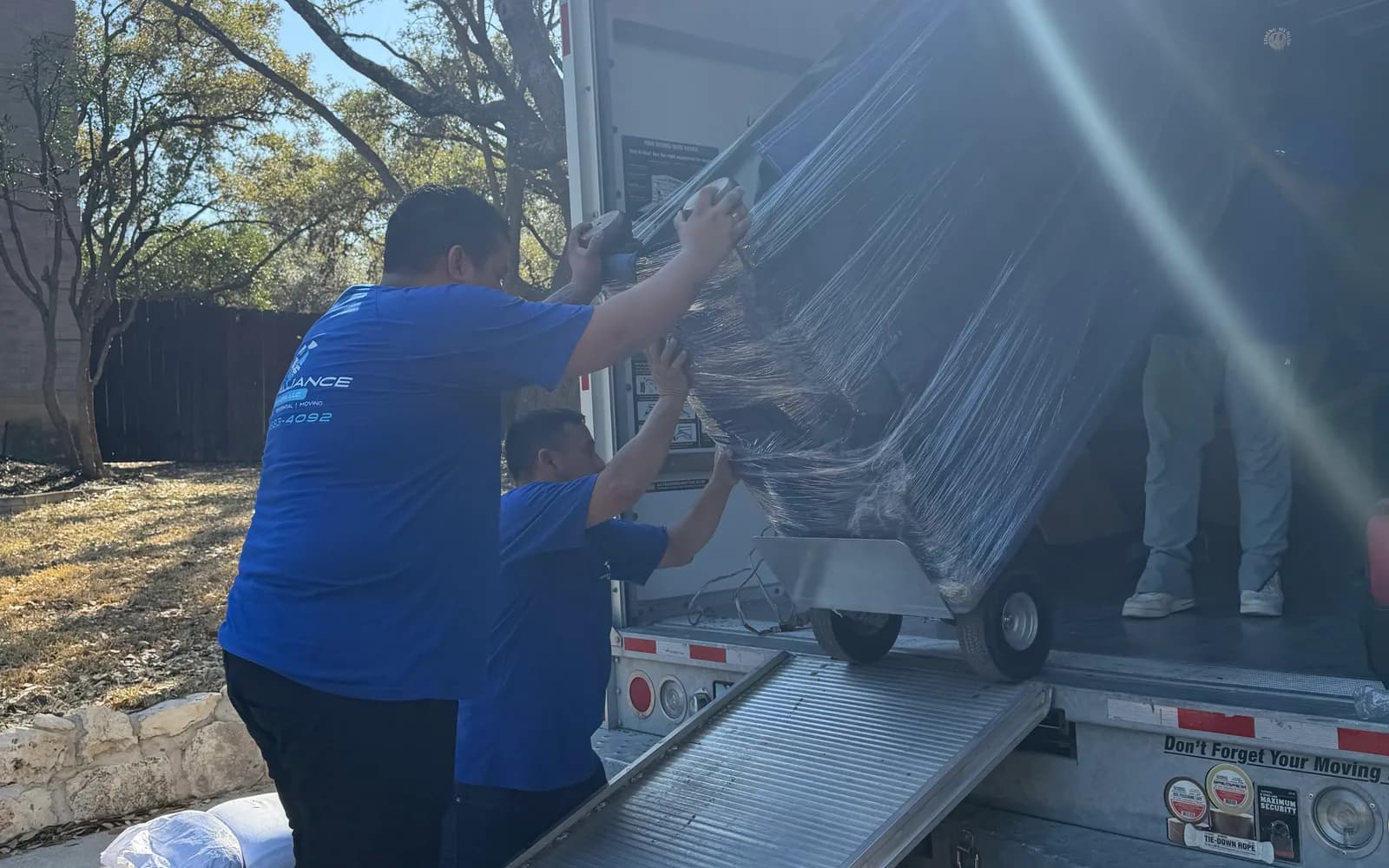
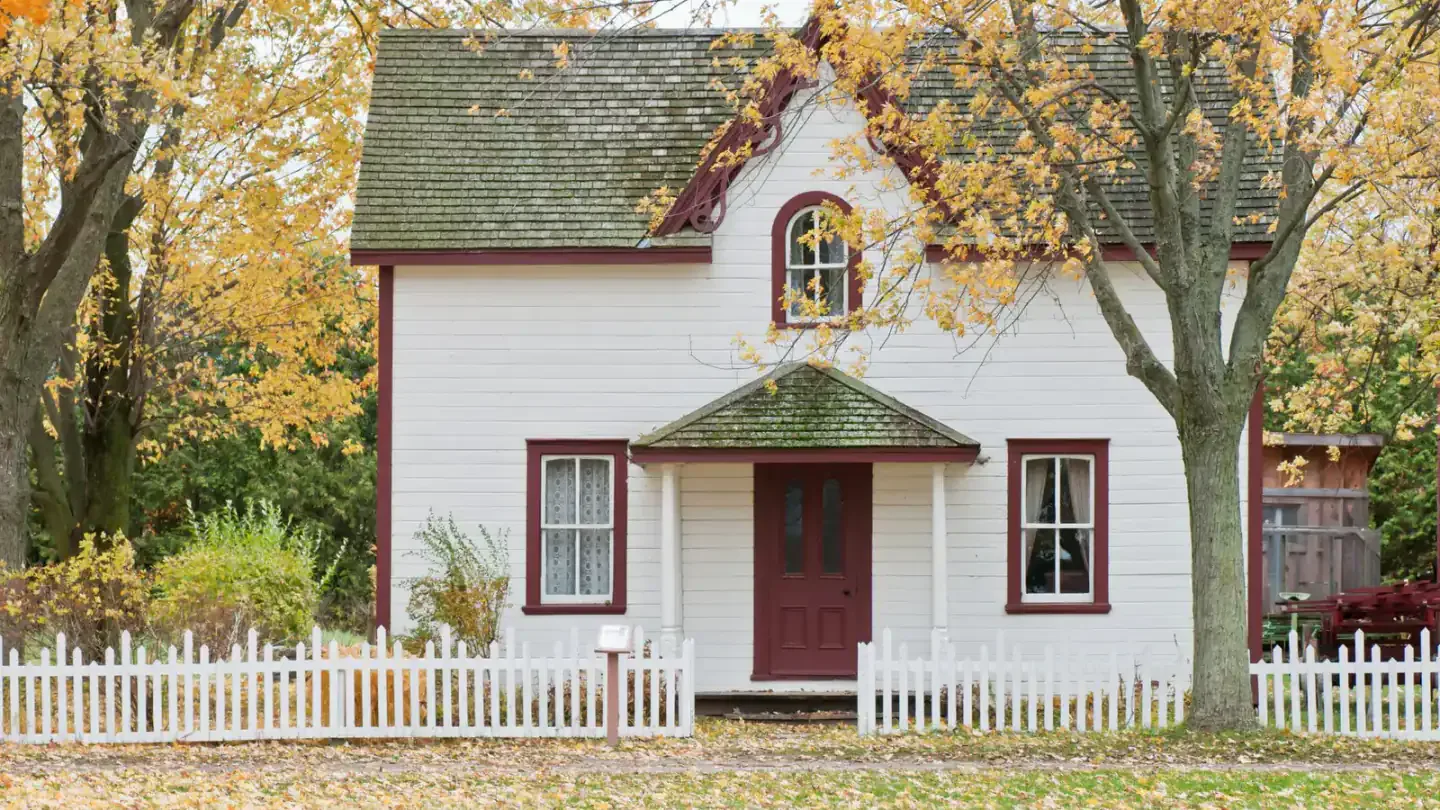
Most of the central South Austin housing stock predates modern moving equipment. Lots are narrow, many houses have no driveway or only a single-width strip, and street parking fills with resident cars. Mature live oaks limit overhead clearance at the curb. Inside, pier-and-beam construction means entry steps, and 1940s and 1950s floor plans mean tight hallway corners and small door openings. None of that stops a move. It does mean the crew needs to know the measurements first, because the answer is often to disassemble a piece that would go through intact somewhere else.
Where the truck stands
Assume the driveway is not the answer. Many central South Austin houses have either no driveway, a single narrow strip that ends at a detached garage, or a parking pad that a full-size truck cannot use without blocking it entirely.
That usually leaves the street, which raises the legal question. Street parking and any temporary use of the right of way inside the city are the responsibility of Austin Transportation and Public Works, and rules can differ block to block, particularly where residential permit parking is in force. Some blocks are also covered by specific provisions in the City of Austin Code of Ordinances. Check for your address rather than assuming the block behaves like the next one over.
Overhead clearance is the part people forget. A street lined with mature live oaks may be perfectly wide and still not admit a full-height box truck close to the curb. Look up before you assume.
Alleys, where you have one
A good number of blocks behind South Congress and South First have service alleys, and where one is passable it is often the better answer: the carry is shorter, the truck is out of traffic, and the neighbors keep their parking.
The caveat is that alleys here are inconsistent. Some are paved and clear. Some are gravel, narrow, overgrown, or blocked by bins and parked cars, and some are effectively single-vehicle width with no turnaround, which means a truck that goes in has to reverse the whole way out. Walk yours and photograph it before you promise it to a mover.
Doorways, turns, and pier-and-beam entries
This is the part that decides whether the day runs long.
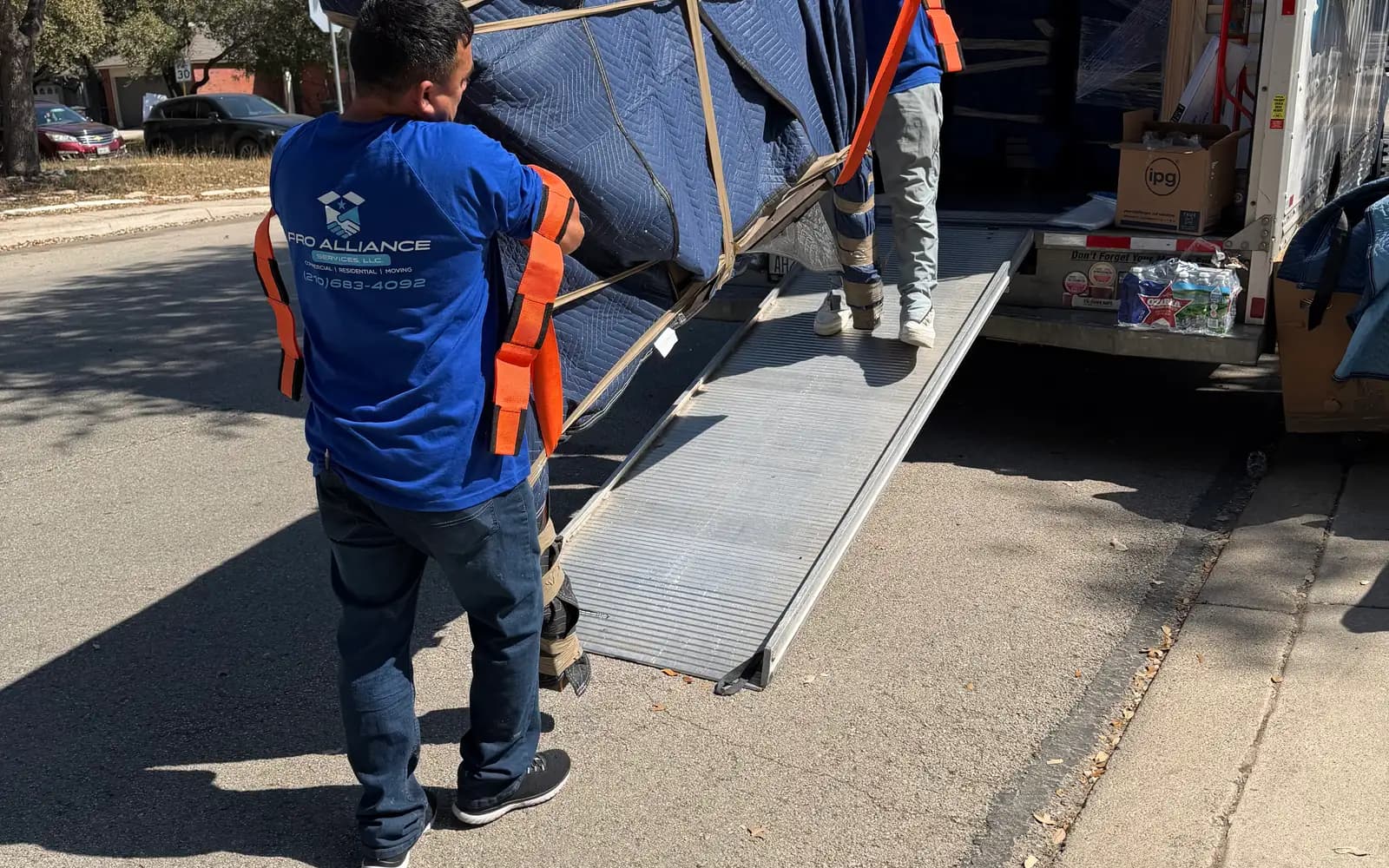
Older South Austin houses commonly have entry steps rather than a slab-level threshold, narrower exterior doors than current construction, and hallways that turn tightly into bedrooms. A queen box spring, a large sectional, and an armoire are the usual casualties. The fix is normally disassembly, sometimes a window or a different door, and occasionally a decision that the piece is not going to fit at all.
Measure three things and send them: the narrowest door opening on the route, the width of the tightest hallway turn, and the rise and run of any entry steps. A crew that knows those arrives with the right tools and the right amount of time.
Getting across town
Ben White is the main east to west route through South Austin and it backs up at peak in both directions. MoPac and South Lamar carry most of the north to south load, and the toll and express options in the corridor are operated by the Central Texas Regional Mobility Authority. If your destination is outside the city and the road turns county, Travis County Transportation and Natural Resources is the responsible authority rather than the city.
The South Austin measurement checklist
Do this before requesting a quote from anyone.
- Measure the narrowest exterior door opening the furniture must pass through.
- Measure the tightest interior hallway or stair turn on the route.
- Note the number and height of any entry steps.
- Measure the clear curb length where a truck could stand without blocking a driveway or intersection.
- Look up and note any low tree canopy over that curb space.
- Walk the alley if your block has one, and photograph its width, surface, and any obstructions.
- Check whether residential permit parking applies to your block.
- List the pieces you already suspect will need disassembly.
Where this sits in the wider metro
The North Austin guide covers the opposite situation, buildings and elevators instead of houses and curbs. South along I-35, the Kyle, Buda and San Marcos guide picks up where the city ends. For a house move specifically, including garage and yard contents and closing-day timing, see the Austin house moving guide.
Where Pro Alliance fits
Send both addresses, your date, a room-by-room inventory, your door and turn measurements, and a photo of the street. The team reviews the access and prepares a written estimate that accounts for the carry and any disassembly. See the residential moving page or the Austin movers page, then use the free estimate form.
Frequently asked questions
My house has no driveway. Is that a problem?
It is common in central South Austin and it is planned around rather than worked around. The crew stages from the street or the alley and carries, and the estimate accounts for that distance. Send a photo of the curb space you expect to use.
Will my sofa fit through a 1950s front door?
Measure the door opening at its narrowest point and the tightest turn just inside it, then send both. Large upholstered pieces sometimes need feet removed or a back panel taken off, and occasionally a different entry is the answer.
Can the truck use the alley behind my house?
Sometimes. Alleys in this part of town vary from paved and clear to narrow, unpaved, and blocked. Walk it and photograph it, and note whether a truck could turn around or would have to reverse out.
Do I need a parking permit for the moving truck?
It depends on your block, including whether residential permit parking is in force. Street parking and temporary right-of-way use inside the city are handled by Austin Transportation and Public Works, so check for your specific address.
Do you move to and from the newer parts of South Austin?
Yes. The subdivisions south of William Cannon and Slaughter have conventional streets and driveways and are simpler to work in than the central blocks. Send the address and the team will confirm.
Sources
Ready to plan the real move?
Send both addresses, your date, and what you are moving. The team reviews access at each end and comes back with a written estimate.
Prefer to talk it through? Call (210) 683-4092, Mon–Fri 8:00 AM–5:30 PM and Sat–Sun 8:00 AM–4:30 PM.
Keep planning