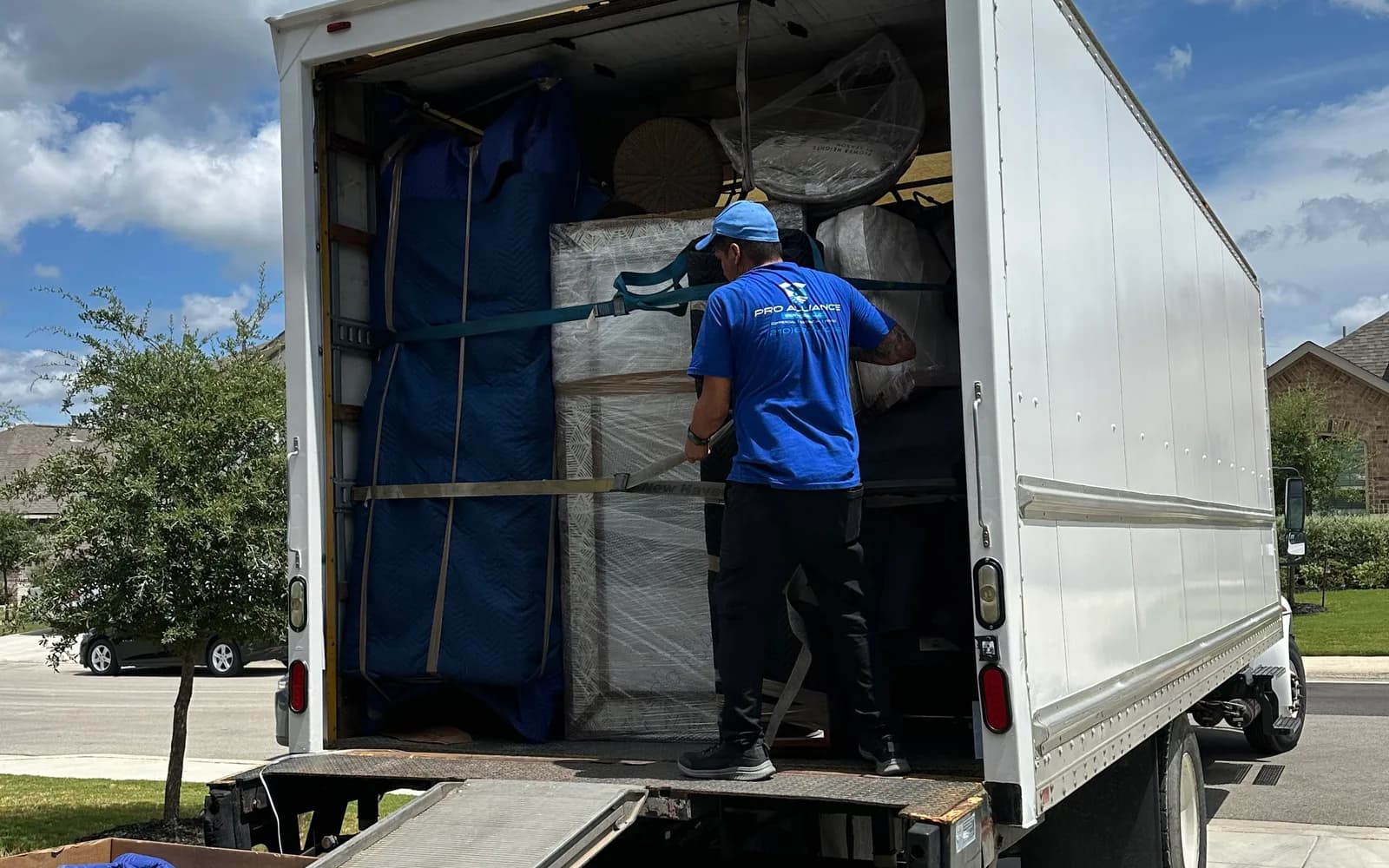
Not every job is a household. Sometimes it is one sofa going up a flight of stairs, a treadmill leaving a spare room, a gun safe that needs to end up in a garage, or a dresser bought from someone across town.
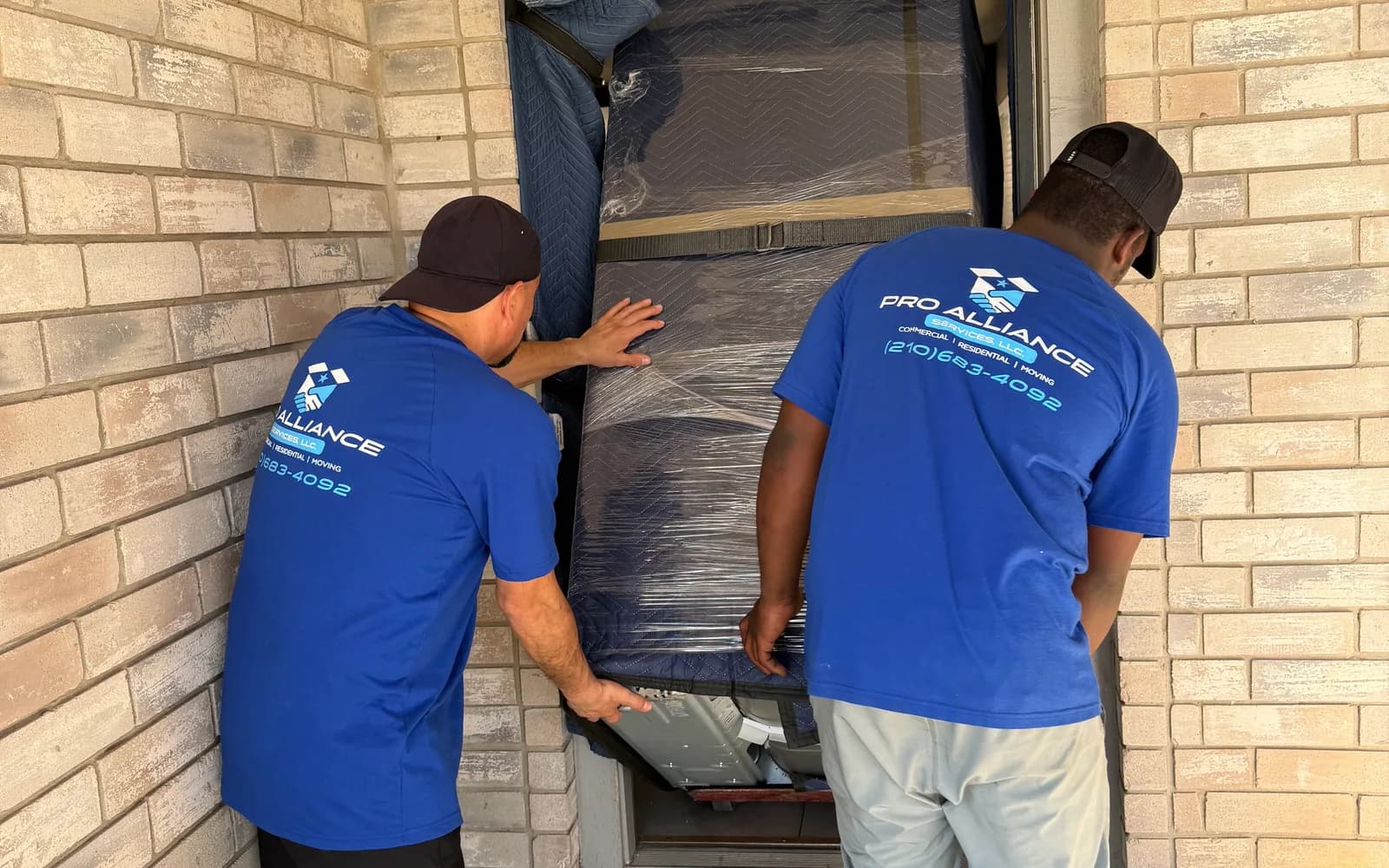
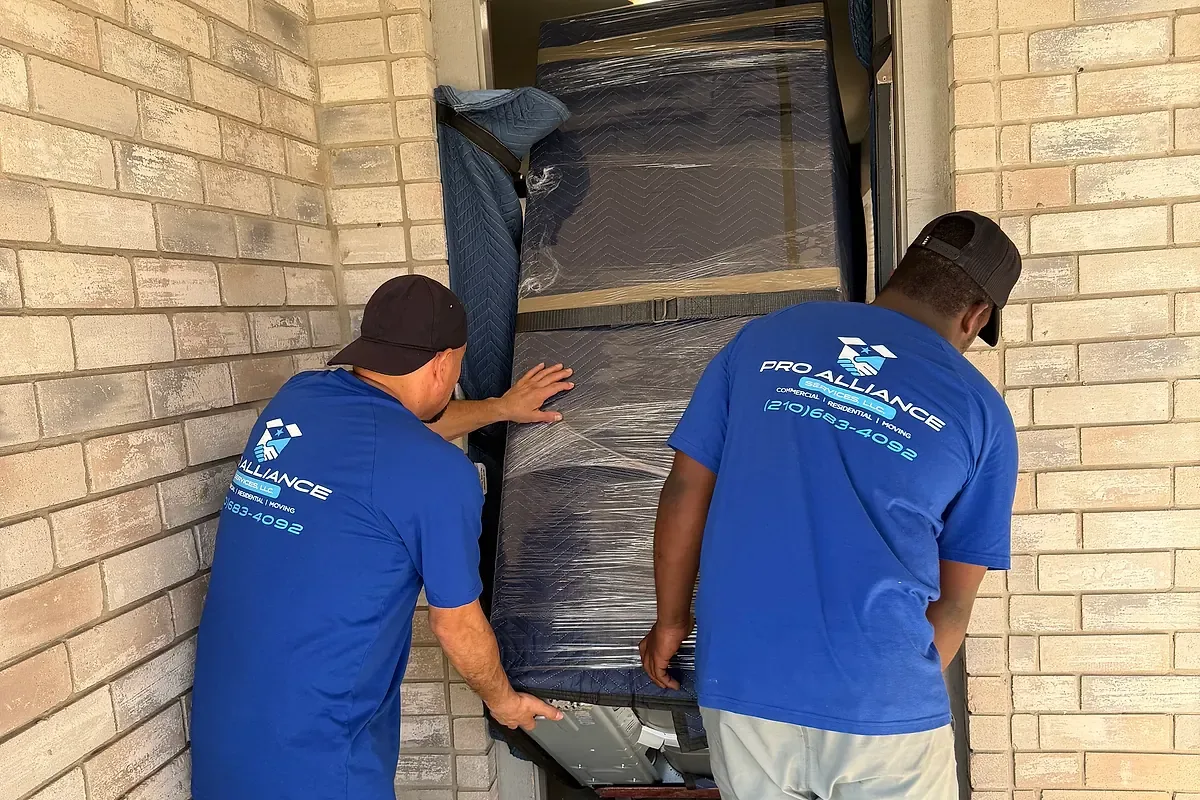
People assume a one-item move is priced like a small version of a big move. It is not. The volume is irrelevant. What matters is the route the piece has to travel, and specifically the narrowest point on it.
Direct answer: A single-item move is quoted on the route rather than the volume. Four things decide it: the weight and dimensions of the piece, the narrowest doorway or turn it must pass through, the number of stairs or the elevator situation at both ends, and whether the piece can be disassembled. Measure the item and the tightest point on the route, photograph both, and send them together. That is enough to give you a real answer instead of a range.
Short answer: what a single-item move is priced on
Weight and dimensions set the crew size and the equipment. The narrowest point on the route determines whether the piece goes through intact, needs partial disassembly, or does not fit at all. Stairs multiply the effort more than distance does, and an elevator turns a hard job into an easy one when it is available and large enough. Disassembly changes everything: a bed frame or a table that comes apart is a straightforward job, and a one-piece sectional in a house with a tight turn is not. Send the item's measurements, the tightest measurement on the route, and photographs of both ends.
Measure the item, then measure the route
Two sets of numbers, and the second one is the one people forget.
For the item: height, width, and depth at its largest points, plus a rough weight if you know it. For a sofa, measure the diagonal depth as well, because that is the dimension that decides whether it can be turned through a doorway.
For the route: the narrowest doorway it passes through, the width of the tightest hallway or landing turn, the ceiling height on any stair, and the door opening at both ends. If there is an elevator, measure the door opening and the interior depth, and check whether the car has a removable ceiling panel, since some do and that changes what fits.
If the numbers are close, they are worth taking twice.
Stairs, and why they cost more than distance
Carrying a heavy item a hundred feet on the flat is straightforward. Carrying the same item up one flight is a different job, and up two flights it is a different job again.
Stairs are also where the risk sits, both for the item and for the people carrying it. A tight landing turn on a stair is the most common place a large piece gets stuck, because the turn has to be made with the piece at an angle and there is nowhere to put it down.
Tell the mover how many flights, what the landings look like, and whether the stair is straight or turns. A photo taken from the bottom looking up answers most of it.
Items with their own rules
Some pieces are their own category.
Pool tables come apart and must, because slate is heavy, brittle, and needs relevelling at the other end. That is a specialist job rather than a lift; see pool table moving.
Appliances need disconnecting before they are moved and reconnecting afterward, and the disconnection is often not a mover's job. Washers need transit bolts or equivalent restraint, and refrigerators need to be upright and, after transport, left to settle before being switched on. See appliance moving.
Safes are heavy in a way that is easy to underestimate, and the floor at the destination matters as much as the route to it.
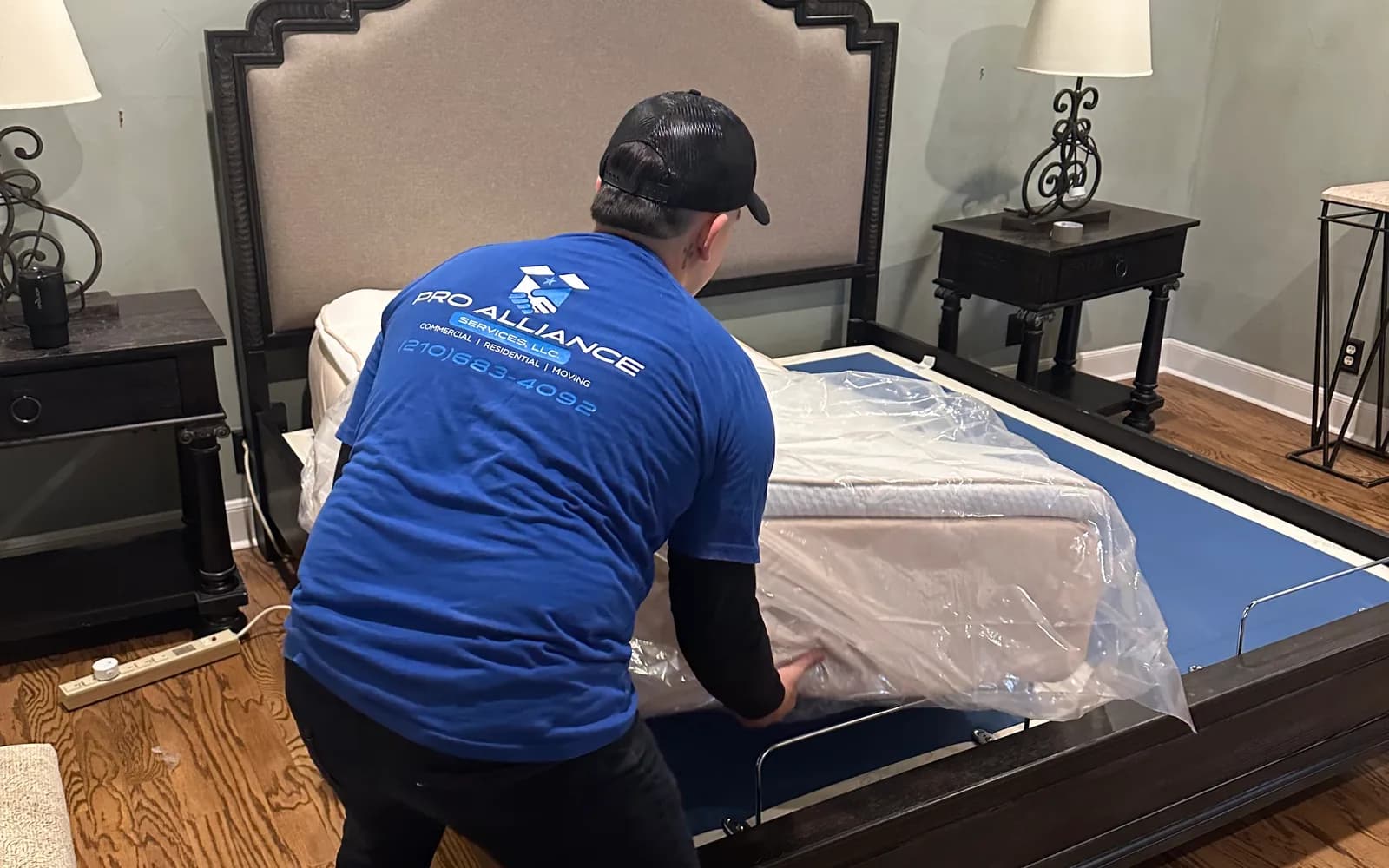
Mattresses are awkward rather than heavy, and a wrapped mattress through a padded door is usually the simplest single-item job there is.
Buying secondhand across town
A lot of single-item moves in Austin are a marketplace purchase that turned out not to fit in a car.
Two pieces of advice. Measure before you buy, including the route into your own place, because the seller's doorway is not the one that will defeat you. And confirm access at the pickup end: whether there is parking, whether the seller can help, and whether the item is on an upper floor. A pickup where nobody thought about parking is where the time goes.
For anything you need to dispose of rather than move, the city publishes guidance through Austin Resource Recovery.
Where the truck stands
Even for one item, the truck needs somewhere legal to stop. On a central Austin street that is not automatic, and street access inside the city is handled by Austin Transportation and Public Works. Outside the city limits, Travis County applies for county roads. In an apartment complex it is the property's rules that decide.
The single-item checklist
- Measure the item's height, width, and depth at its largest points.
- Measure the diagonal depth as well for any upholstered piece.
- Measure the narrowest doorway on the route at both ends.
- Measure the tightest hallway or stair landing turn.
- Count the flights of stairs and note whether the stair turns.
- Measure the elevator door opening and interior depth if one is available.
- Note whether the piece can be disassembled and whether you have the hardware.
- Photograph the item and both routes, including a shot up the stairs.
- Confirm where a vehicle can legally stop at both addresses.
Where this sits in the wider batch
The Austin moving services guide covers how single-item work fits alongside full moves. If the piece needs building or installing at the other end rather than only carrying, see the Austin furniture installation and assembly guide. For the tight doorways common in older central housing, the South Austin moving guide covers the measurement problem in that context.
Where Pro Alliance fits
Send the item's measurements, the tightest measurement on the route, photographs of both ends, and both addresses. The team confirms whether it goes through intact or needs disassembly, then quotes the actual job. See the furniture moving page or use the free estimate form.
Frequently asked questions
How is a single-item move priced?
On the route rather than the volume: the weight and size of the piece, the narrowest point it has to pass, the stairs at both ends, and whether it comes apart. Send those and you get a real number.
My sofa did not fit when it was delivered. Will it fit now?
Measure the diagonal depth of the sofa and the narrowest doorway on the route, and send both. Some pieces need feet removed or a back panel taken off, and occasionally the answer is a different entry.
Do you move pool tables?
Yes, as a specialist job. Slate has to come apart, travel properly supported, and be relevelled at the destination, which is different work from carrying furniture.
Do you disconnect appliances?
Disconnection and reconnection are often outside a mover's scope, particularly for gas and plumbed connections. Confirm what you need arranged separately when you request the estimate.
Can you collect something I bought from a private seller?
Yes. Send both addresses, the item measurements, and what you know about access at the pickup end, including parking and whether the item is on an upper floor.
Sources
Ready to plan the real move?
Send both addresses, your date, and what you are moving. The team reviews access at each end and comes back with a written estimate.
Prefer to talk it through? Call (210) 683-4092, Mon–Fri 8:00 AM–5:30 PM and Sat–Sun 8:00 AM–4:30 PM.
Keep planning