Leander has a problem no other city in the metro has to the same degree: the map is out of date. Streets in Bryson, Larkspur, Palmera Ridge, and the newer phases of Travisso and Deerbrooke get built faster than routing software learns them, and a moving truck following a navigation app can end up at a barricade, in a section that is not connected yet, or circling a subdivision looking for an entrance that moved.
That sounds trivial until it happens with a loaded truck and a schedule. It is also completely avoidable with one message before the date.
Direct answer: If you are moving into a newer Leander subdivision, tell the mover the builder or community name and the entrance to use, not just the street address. Confirm with your builder whether the section has access restrictions or shared contractor traffic, and whether the street you are moving to is actually connected yet. Add the driveway grade if you are west of US 183 toward Crystal Falls or Travisso. Those three details prevent nearly every Leander access problem there is.
Short answer: what to send before a Leander move
Send the community or builder name alongside the street address, because mapping data in the newer subdivisions lags the streets on the ground. Confirm with the builder whether the section is still in an active construction phase, which can mean shared entrances, contractor parking, dumpsters, and restricted hours. Note your driveway grade if the property sits on the higher ground west of US 183. If you are moving into an apartment near the rail station instead, send the property's loading and elevator requirements. Those details, with a room-by-room inventory, are enough to plan the access properly.
Building out means sharing the street
In a subdivision phase that is still under construction, your street is a worksite as well as a neighborhood. Trade vehicles park along it, dumpsters and material stacks occupy frontage, and the single connected entrance carries everyone.
Two consequences for a move. The truck may not be able to stand where you expect, so the carry gets longer. And some builders restrict access hours in active sections, which constrains when the crew can work at all.
Neither is exotic. Ask your builder for the current access instructions and permitted hours for your section, and pass them on. Streets and drainage for completed public roads are handled by Leander Public Works, while anything outside the city limit falls to Williamson County Road and Bridge.
Grade on the west side
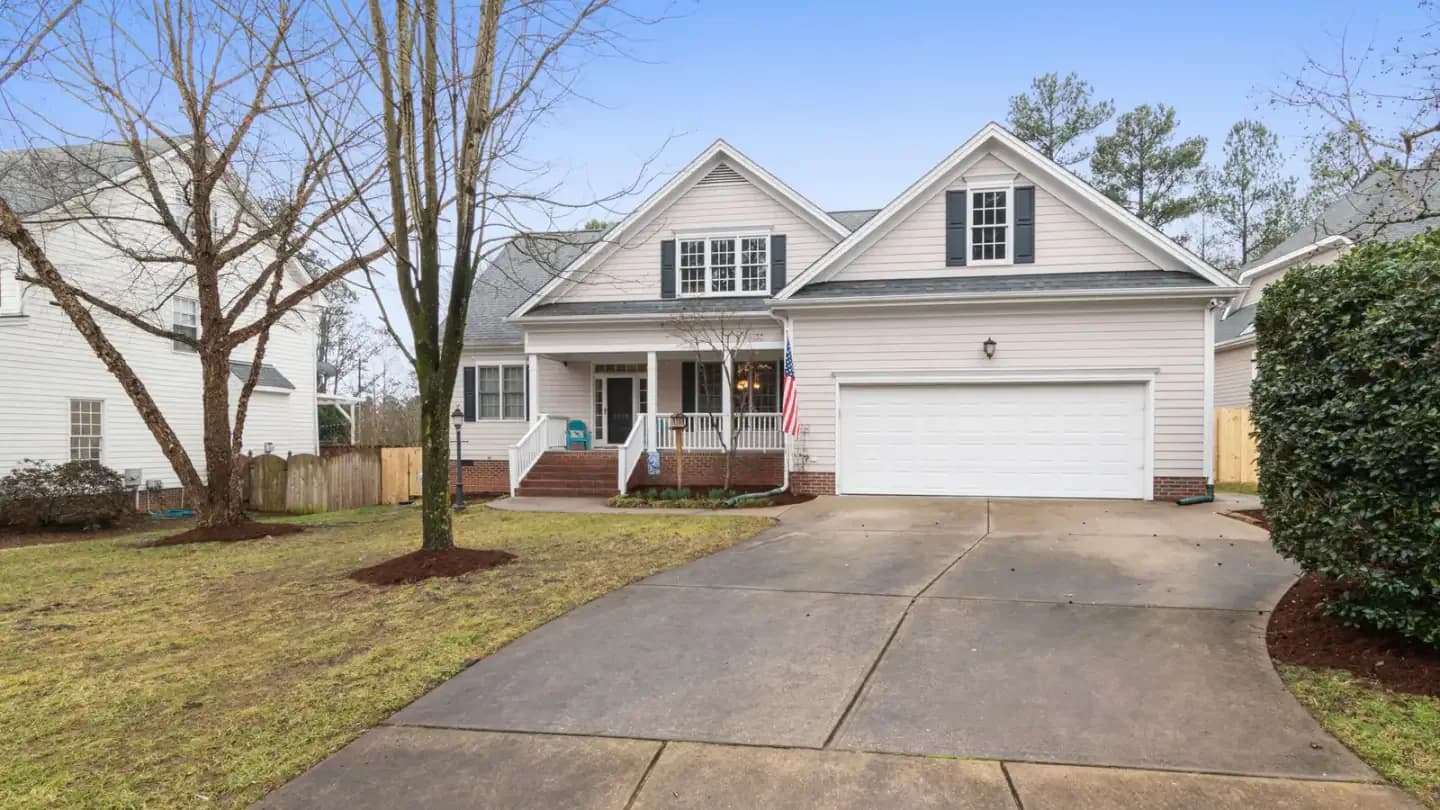
East of US 183 the ground is largely flat and moves behave like any other suburb. West of it, toward Crystal Falls and Travisso, the terrain rises and driveways get steeper.
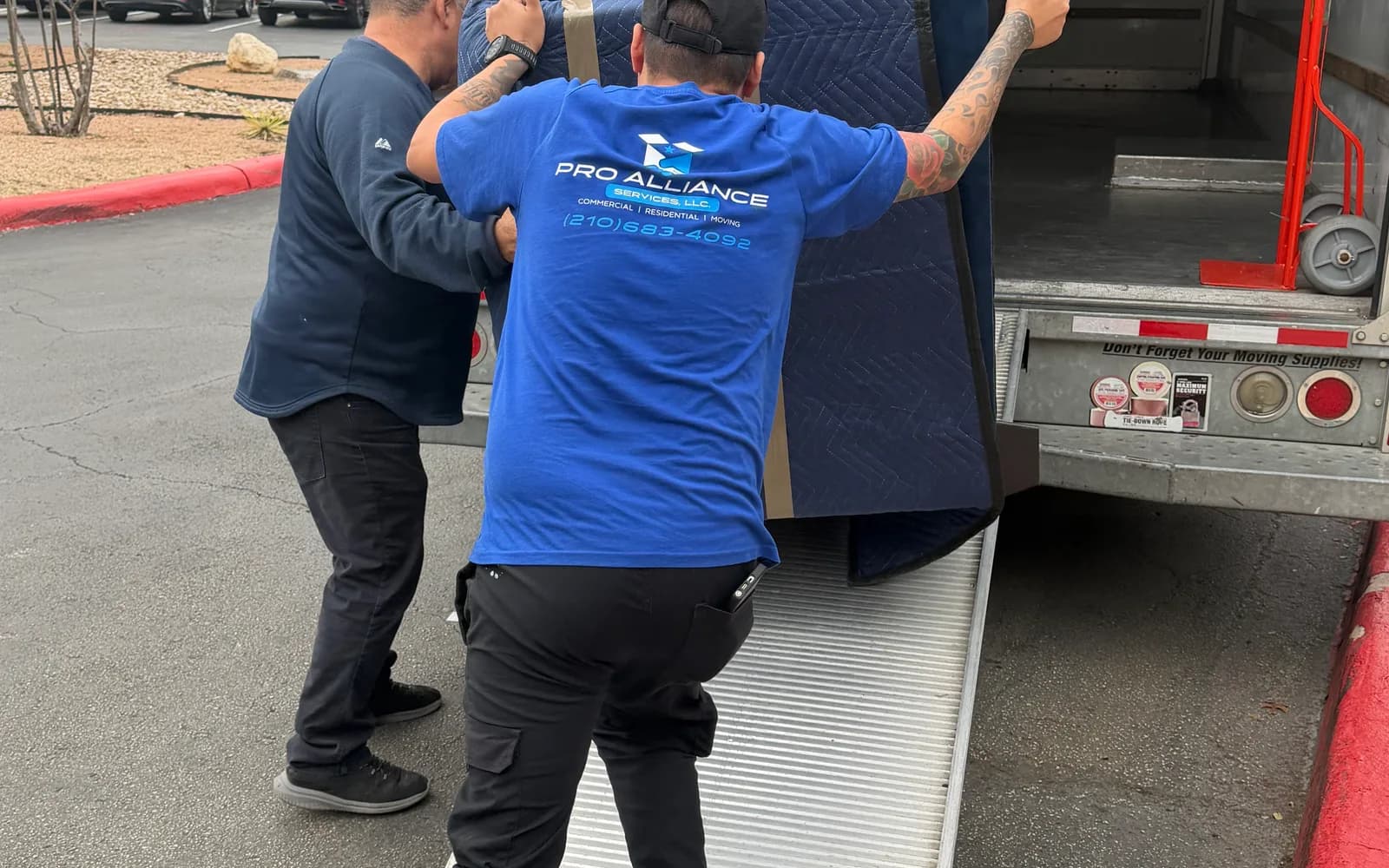
Grade changes two practical things. It determines how a ramp can be set at the truck, and it changes how much control a crew has over a loaded dolly, which is a safety question rather than a convenience one. A steep driveway sometimes means the truck stands on the street and the crew works up the slope, which is slower and should be priced that way rather than discovered.
Photograph the driveway from the street looking up and from the house looking down. Those two images tell a mover more than any measurement you could send.

Routing: 183A, the frontage, and the toll question
The 183A toll lanes run through Leander and are operated by the Central Texas Regional Mobility Authority. For a loaded truck the toll is charged by axle and the time saved is smaller than it is for a car, so the frontage road is sometimes the better call. It is a decision worth making per move.
Ronald Reagan Boulevard and RM 1431 are the useful cross routes, and both are worth considering when the destination is east toward Cedar Park or Georgetown.
Rail-station apartments are a different job
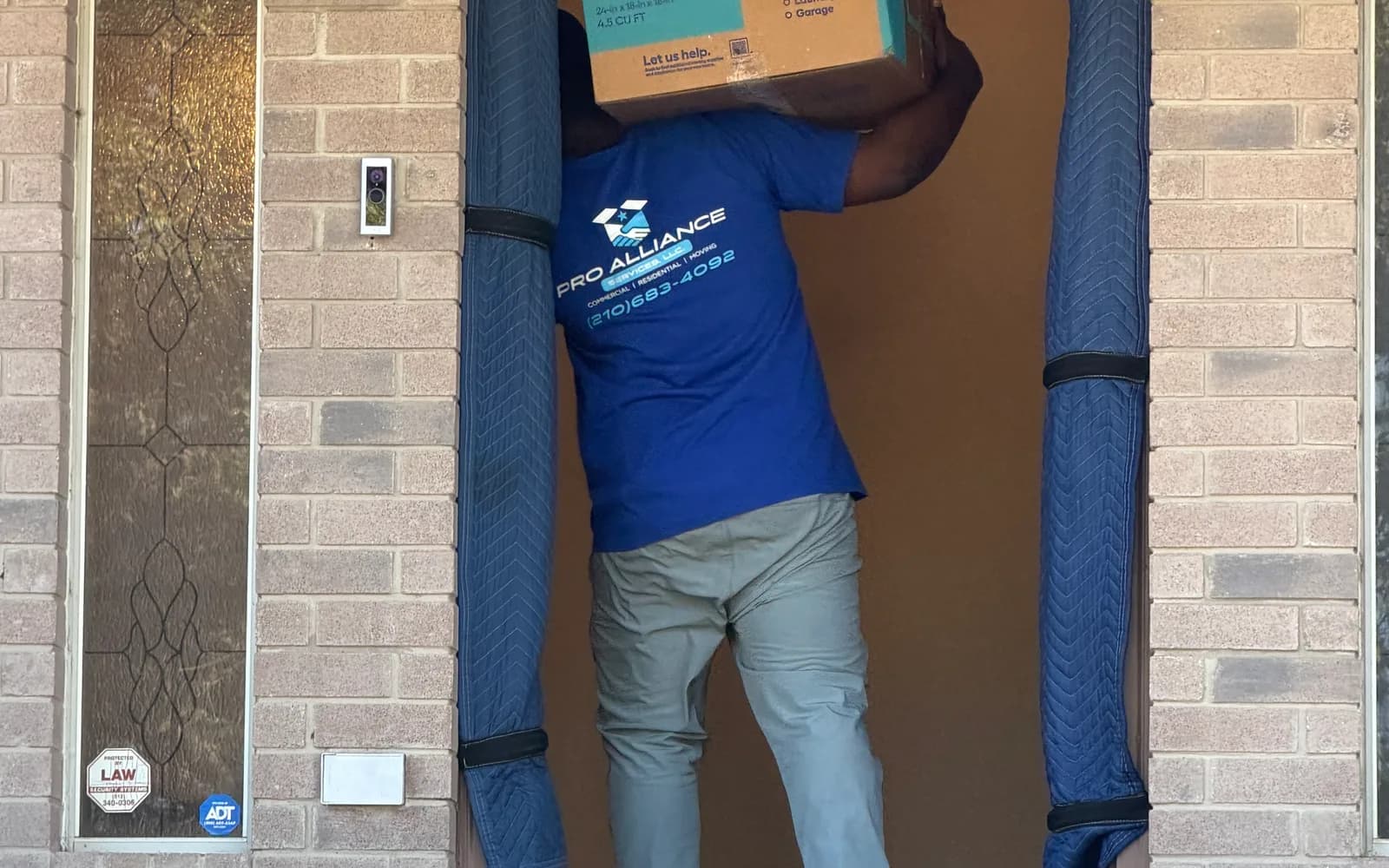
Around the CapMetro Leander station the housing shifts from single-family to apartments and townhomes, and so does the problem. There is no driveway to worry about. Instead there is a designated loading area, possibly an elevator, and a leasing office with rules.
For those moves, the useful questions are the same ones you would ask anywhere with a property manager: where does a truck load, is the space reserved or first come, are there permitted hours, and is a certificate of insurance required. Get the answers in writing.
The Leander pre-move checklist
- Send the builder or community name with the street address, not the address alone.
- Ask the builder whether your section has access restrictions or permitted hours.
- Confirm which entrance is currently open and whether your street is connected through.
- Photograph the driveway from the street looking up and from the house looking down.
- Note whether a full-size truck can turn around on your street or must reverse out.
- If moving into an apartment, get the loading area, elevator, and insurance requirements in writing.
- Measure the narrowest door on the route and the tightest interior turn.
- Flag your arrival time so the 183A and frontage decision can be made sensibly.
- Set utility start and stop dates at both addresses.
Where this sits in the wider metro
The Austin metro moving access guide covers what applies everywhere. Cedar Park sits immediately south along the same corridor, and Georgetown and Round Rock cover the I-35 side of the county.
Where Pro Alliance fits
Send both addresses, the community or builder name, your date, a room-by-room inventory, and driveway photos if the property is on a slope. The team confirms the access route before the crew is scheduled. See the Leander movers page or the Austin movers page, then use the free estimate form.
Frequently asked questions
My street is too new to show up in maps. What do I send instead?
Send the builder or community name, the phase or section if you know it, and the entrance the builder tells you to use. The crew is routed from that rather than from mapping data.
Can you move into a home while the section is still being built?
Yes, subject to whatever access rules the builder has in force. Confirm permitted hours and the approved entrance, and send them with your inventory.
My driveway is on a slope. Does that change the plan?
It can. A steep approach affects where the truck stands and how a loaded dolly is controlled, and on the steeper properties the crew stages at the street instead. Photos from both directions let that be decided in advance.
Do you move apartments near the Leander rail station?
Yes. Those moves are planned around the property's loading area, any elevator reservation, and the hours management permits.
Do you use the 183A toll lanes for a move?
When the route calls for it. Tolls are charged by axle and a loaded truck saves less time than a car, so it is decided per move rather than by default.
Sources
Ready to plan the real move?
Send both addresses, your date, and what you are moving. The team reviews access at each end and comes back with a written estimate.
Prefer to talk it through? Call (210) 683-4092, Mon–Fri 8:00 AM–5:30 PM and Sat–Sun 8:00 AM–4:30 PM.
Keep planning