A new-construction move has a date at the center of it that nobody fully controls. The closing depends on the builder finishing, the inspector passing, the lender funding, and the title company recording, in that order, and any one of them can move the date by a week. The mover is the last link in that chain and the only one the family actually hires.
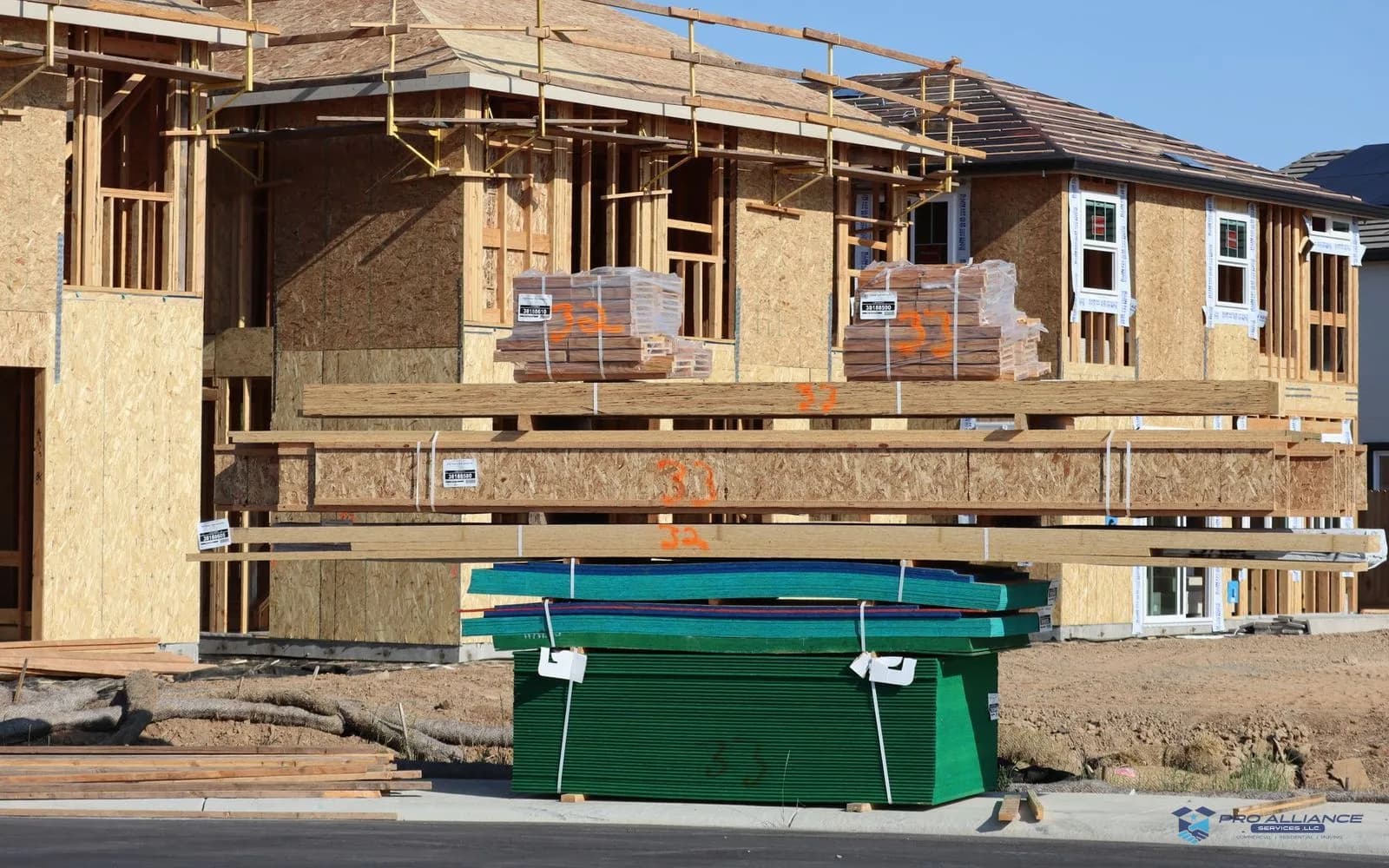
North of San Antonio, where most of the new subdivisions are, the move comes with a second set of problems that have nothing to do with the closing. The street may not exist on the map the truck is using. The driveway may not be poured. The house next door is still framing, and its lumber delivery is parked where the truck was going to stand. And the HOA that came with the lot has rules about moving trucks that apply from the first day.
This guide covers the sequence from the builder's walkthrough to the first night in the house. It is written for the subdivisions along US 281, I-35, and the Loop 1604 corridor: Bulverde, Spring Branch, Schertz, Cibolo, Garden Ridge, Converse, Universal City, and the Stone Oak area. Each community has its own page on this site for the access specifics, and this page owns the closing-to-move-in order.
Direct answer: Treat a new-construction move as two plans with a hinge in the middle. Before the hinge, everything depends on the closing: do the builder walkthrough and punch list, confirm the recording date with the title company, and keep the mover on a date that can move. After the hinge, everything depends on the site. Give the mover the subdivision entrance and the lot number, because the street may not be mapped. Confirm the driveway and street are passable for a loaded truck. Read the HOA's moving rules before the truck arrives, and start electric, gas, water, and trash service so the house works on the first night. Hold a spare day for the closing to slip, because it often does.
Short answer: how to plan a move into a new build north of San Antonio
A move into a new-construction home in the San Antonio suburbs works best as a sequence hinged on the closing. Before it: the builder's final walkthrough and punch list, a confirmed recording date from the title company, and a mover booked on a date with slack built in. After it: directions to the lot by subdivision entrance and lot number rather than a street address the map may not know. Next, a check that the driveway is poured and the street is clear of construction deliveries. Finally, the HOA's moving-truck rules read in advance, and utility service started with CPS Energy for electric and gas and SAWS or the local water supplier for water. Keep one reserve day for a closing that funds late.
Before the hinge: the walkthrough and the closing
The builder's final walkthrough is the last chance to see the house empty. Everything noted on the punch list gets fixed by the builder's crew, and that crew works far more easily in an empty house than one full of boxes. If the walkthrough turns up anything serious, it can move the closing, which moves the move.
The title company decides the real date. Ask it directly for the day it expects to record and fund, and ask again the week before. A closing that funds late in the afternoon can mean keys the next morning, and a truck that arrived at nine is a truck waiting in a cul-de-sac. Tell the mover the closing is the constraint, and ask what the reschedule terms are if the date moves. A mover that has done new-build moves will have an answer.
The residential movers page describes the full-house service. Booking it on a date with a day of slack on either side is the single decision that matters most on this kind of move.
After the hinge: finding a house the map does not know
New streets take time to appear on the maps that navigation apps use. A truck driver following an address into a subdivision that opened this year may be routed to a field, an unfinished cross street, or the wrong side of a creek. Leander, in the Austin metro, is famous enough for this that its page on this site says so; the northern San Antonio suburbs have the same problem at a smaller scale.
Give the mover three things: the subdivision name and its main entrance, the lot number as the builder labels it, and a phone photo of the house from the street with the neighboring lots visible. Then confirm the route yourself the day before, in a car, at the same hour the truck will arrive. If the route passes a construction gate, ask whether it is open on the day.
The site: driveways, deliveries, and the truck next door
A finished house can sit on a street that is still a construction site. The problems a loaded truck runs into are ordinary but worth listing. A driveway not yet poured or not yet cured means no vehicle on it. A neighboring lot's material delivery narrows the street. Construction traffic blocks a cul-de-sac for an hour. Mud, dust, and nails cover the path a crew has to walk with your furniture.
The fix is to look, the day before, and tell the mover what you saw. If the driveway is unusable, the truck stands in the street and the carry gets longer, which is an estimate detail rather than a surprise. Floor protection matters more on a new build than an old one, because the floors are new and the walk in is dirty. Ask what the crew uses for runners and door pads, and put a mat outside every door the crew will use.
The community pages cover the access specifics that repeat street to street. The Bulverde and Spring Branch guide covers the long driveways off US 281, and the Converse guide covers new subdivisions with tight streets. The Alamo Ranch guide covers HOA, gate, and garage planning in a large master-planned community. The location pages for Bulverde, Schertz, Cibolo, and Garden Ridge carry the rest.
HOA rules that start on closing day
Most new subdivisions north of San Antonio come with a homeowners association, and its rules apply from the day you own the lot, not from the day you feel settled. Texas law sets the framework for how associations operate. Chapter 209 of the Texas Property Code, the Residential Property Owners Protection Act, governs what an association may and may not do to an owner. The association's own documents govern the rest.
For moving day, the documents to read are the ones about vehicles and construction. Look for whether commercial trucks may park on the street overnight, whether a truck may block a sidewalk during loading, what hours work is allowed, and whether a moving container or dumpster needs approval. Read them before the truck arrives. An association that is still handing rules over from the builder's control can be slow to answer, so ask early.
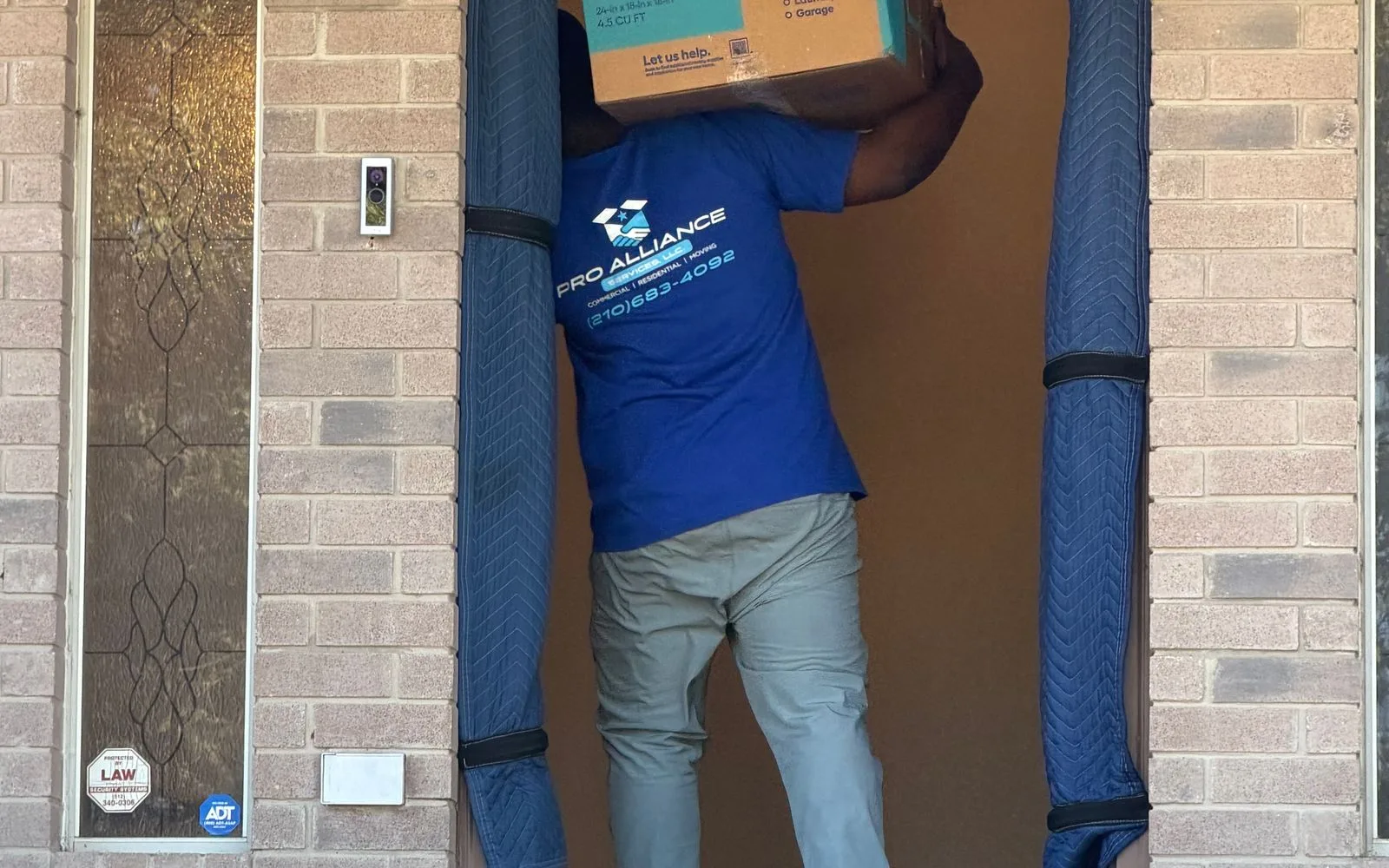
Utilities: the house has to work on the first night
A new build has no account history, so every service starts from zero. Electric and gas in most of the San Antonio area run through CPS Energy, and a new address may need the builder's temporary service converted to a permanent account in your name. Water depends on where the subdivision sits. Inside the San Antonio Water System's area it is SAWS, whose start-service page covers new accounts. In parts of Comal and Guadalupe counties it is a local supplier the builder or title company can name.
Trash and recycling follow the same split. Inside the city limits it is the city's service; in unincorporated Bexar County and the neighboring counties it is a private hauler the HOA or the builder has arranged, and it may not start automatically. Bexar County's site is the entry point for county services and the offices that answer the unincorporated-area questions.
Start every one of these before the move, with the closing date as the start date. A house with no power on the first night is a common new-build story, and it is entirely avoidable.
The new-construction move-in checklist
- Do the builder's final walkthrough with the house empty and get every punch-list item scheduled before the move.
- Ask the title company for the day it expects to record and fund, and confirm it again the week before the move.
- Book the mover on a date with a day of slack on either side and ask what rescheduling involves if the closing slips.
- Give the mover the subdivision entrance, the lot number, and a photo of the house from the street, because the address may not be mapped yet.
- Drive the route yourself the day before at the same hour the truck will arrive and note any construction gate or blocked street.
- Check that the driveway is poured and cured and the street is clear of neighboring deliveries, and tell the mover if the truck must stand in the street.
- Read the HOA's rules on commercial vehicles, work hours, and containers before the truck arrives.
- Start electric, gas, water, and trash service with the closing date as the start date so the house works on the first night.
- Put a mat outside every door the crew will use and ask what the crew uses for floor runners and door protection.
Where Pro Alliance fits
Send the subdivision and lot, the closing date and how firm it is, a room-by-room inventory, and what you saw on the street the day before. The team can review the specific move before putting a scope in writing. Start with the free estimate form. Full-house moves are described on the residential movers page.
Frequently asked questions
What if the closing is delayed after I booked the movers?
It happens often enough on new builds that the reschedule terms should be part of the booking conversation. Tell the mover the closing is the constraint, ask what a date change involves, and book with a day of slack on either side so a small slip costs nothing.
How does the moving truck find a house on a street that is not on the map?
Give the mover the subdivision name and entrance, the builder's lot number, and a photo of the house from the street. Drive the route yourself the day before at the same hour the truck will arrive, and tell the crew about any construction gate or closed cross street.
Can the truck park in my new driveway?
Only if the driveway is poured and cured. A fresh slab cannot take a loaded truck. If the driveway is not ready, the truck stands in the street and the crew carries farther, which the estimate should reflect.
Do HOA rules apply on moving day?
Yes, from the day you own the lot. Read the rules on commercial vehicles, work hours, and containers before the truck arrives. Texas Property Code Chapter 209 sets the framework for how associations operate, and the association's own documents fill in the details.
Which utilities do I need to start for a new build?
Electric and gas, usually through CPS Energy in the San Antonio area, water through SAWS or the local supplier the builder names, and trash service, which in unincorporated areas is a private hauler that may not start automatically. Use the closing date as the start date for all of them.
Sources
Ready to plan the real move?
Send both addresses, your date, and what you are moving. The team reviews access at each end and comes back with a written estimate.
Prefer to talk it through? Call (210) 683-4092, Mon–Fri 8:00 AM–5:30 PM and Sat–Sun 8:00 AM–4:30 PM.
Keep planning