Plenty of San Antonio households pack their own boxes and hire movers for the furniture and the load. The arrangement works well, and it keeps the professional scope focused on the heavy part of the job.
It only works when the boxes are actually ready. A crew can wrap furniture in almost any home, but it cannot safely load open cartons, bulging totes, or boxes with no labels. Self-packing means producing cartons that a stranger can carry quickly, stack safely, and find again at the other end, more than it means simply filling a box.
This guide covers the standard a professional crew needs from customer-packed boxes and the items that cannot travel on a moving truck at all. It also covers how readiness changes loading day. It assumes the packing decision is already made. If it is not, that decision has its own guide, linked further down.
Direct answer: A moving crew can load self-packed boxes when every carton is closed, taped flat, and labeled with its destination room. Box weights should stay at what one person can lift and carry, packed firmly enough to hold a stack without crushing. Keep hazardous materials such as propane, gasoline, paint, and aerosol cans off the truck, along with perishable food. Carry documents, medications, keys, and small valuables in your own vehicle. Finish sealing everything before the crew arrives, because owner-packed cartons are recorded by label and condition, not by contents.
Short answer: what does a moving crew need from boxes you packed yourself?
A crew needs four things from every box you pack: a full seal, a clear label, a liftable weight, and a shape that stacks. Sealed means the flaps close flat and are taped, with nothing bulging past the top edge. Labeled means the destination room is written on the side of the carton, with a fragile note where it applies. Liftable means one person can pick the box up and carry it without strain. Stackable means the carton is filled firmly enough that another box can sit on it without crushing it. Keep hazardous materials, perishable food, and irreplaceable documents and valuables out of the shipment entirely. Get there by finishing every carton well before the crew arrives, so nothing is still being taped shut when the truck pulls up.
The standard a crew needs from every carton
Start with the seal. Every carton should close with the flaps flat and taped, top and bottom. Open-top boxes, totes with loose lids, and flaps folded over each other without being taped all fail the same way. They cannot take weight, so they cannot join a stack. If the contents push the flaps upward, the box is overfilled, and some of it needs a second carton.
Labels come next. Write the destination room on at least one side of the box, because tops disappear the moment cartons are stacked. Add a fragile flag where it is true, and mark any carton that must stay upright. Labels are not decoration. Licensed Texas movers put the job in writing before loading, and when that paperwork includes an inventory, sealed cartons enter the record by count and label. A well-marked box is a box that can be found at the new address.
Then weight and stack. One person should be able to lift and carry each box without strain. In practice that means dense items go in small cartons and light, bulky items go in large ones. Fill each box firmly so the top stays rigid, because a half-empty carton crushes under the first box placed on it. Uniform sizes also make a stack predictable, which is why purpose-made cartons beat a mixed pile of grocery boxes. The moving supplies page lists standard carton sizes if you would rather match boxes to the job than improvise.
What cannot ride on the moving truck
Three categories stay off the truck no matter how well they are packed.
The first is hazardous materials. The U.S. Department of Transportation publishes a list of common household items that count as hazardous in transport, and much of it lives in an ordinary garage. The list includes gasoline and other fuels, propane tanks, paints, paint thinners, and aerosol cans, along with pool chemicals and lighters. Plan to use these up, give them away, or dispose of them properly before loading day. Ask your mover to confirm its own list when you book.
The second is perishable food. Refrigerated and frozen food, opened packages, and anything that spoils has no place in a sealed carton on an unrefrigerated truck. Eat down the kitchen in the final weeks and clear what remains before the packing finishes.
The third is the irreplaceable list. Texas consumer guidance is specific here: movers are not responsible for money, jewelry, medications, or important papers that customers pack themselves. Treat that as a packing instruction. Passports, titles, medications, spare keys, chargers, and small valuables travel in your own vehicle, in a bag that never joins the shipment.
How self-packed boxes are documented at loading
A box the crew packs is documented by the crew. A box you pack is documented by its label and its condition, because no one on the crew saw the contents. That distinction is written into federal consumer guidance. For interstate moves, FMCSA notes that a claim for damage inside a box you packed can be more difficult to establish, because the packing was private. The same guidance flags perishable, dangerous, or hazardous materials packed without the mover's knowledge as a serious problem.
None of that is a reason to avoid self-packing. It is a reason to pack as if the label is the record, because it is. Honest fragile flags, accurate room names, and cartons that close flat give the loading paperwork something solid to describe. That holds on a local San Antonio job as much as on an interstate one.
What readiness changes on loading day
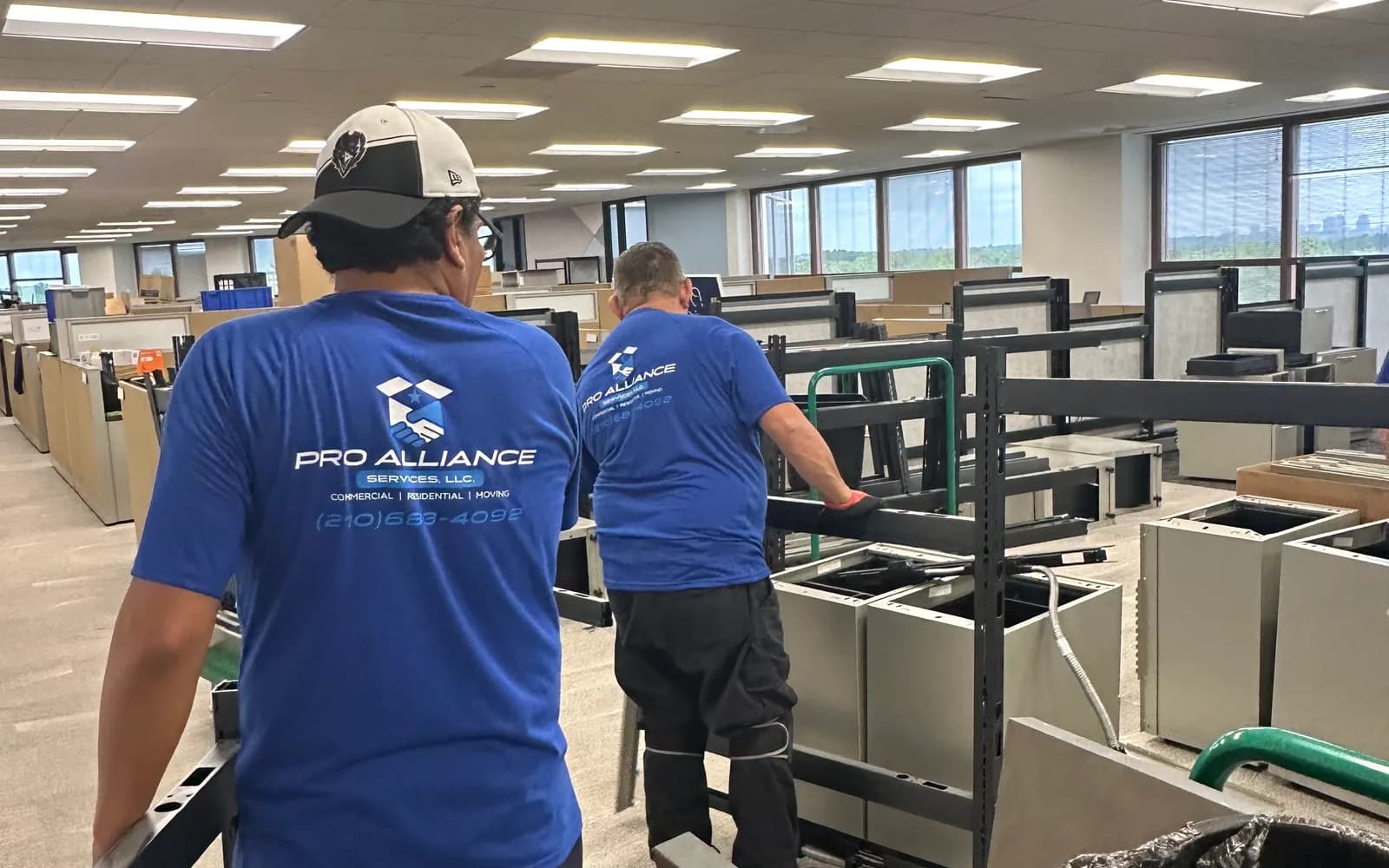
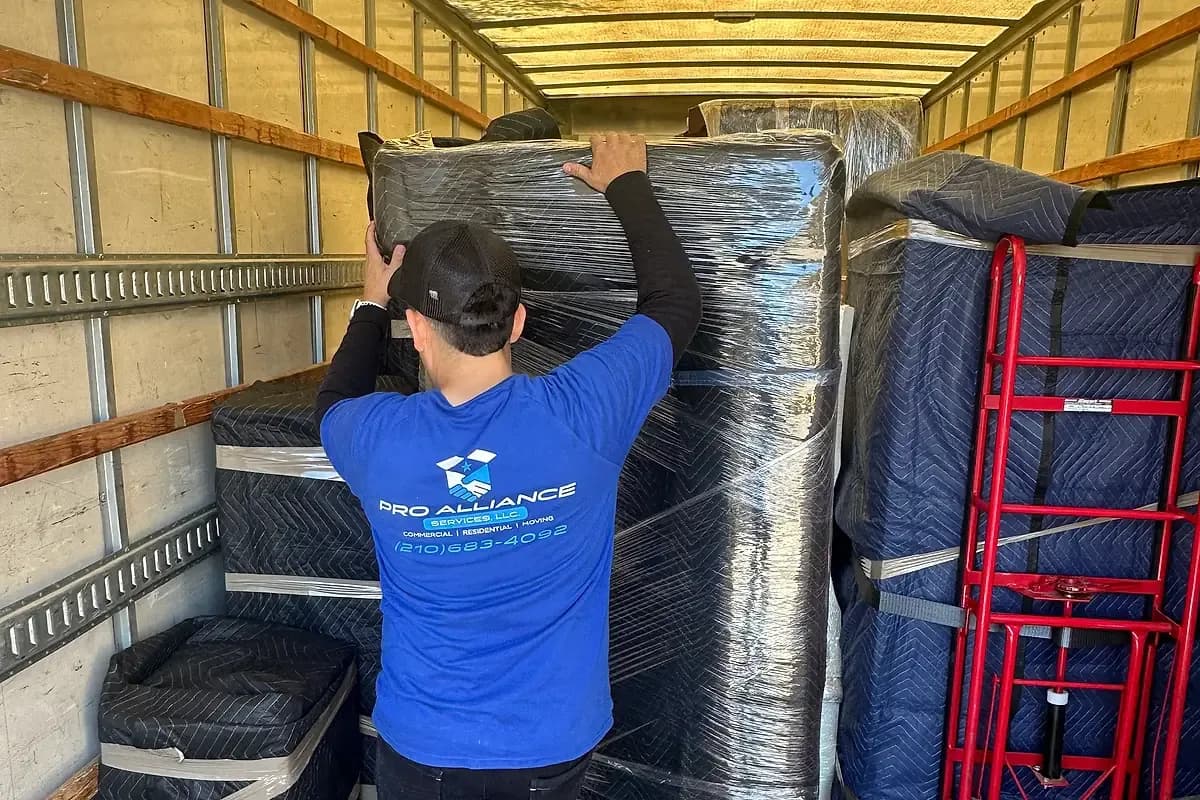
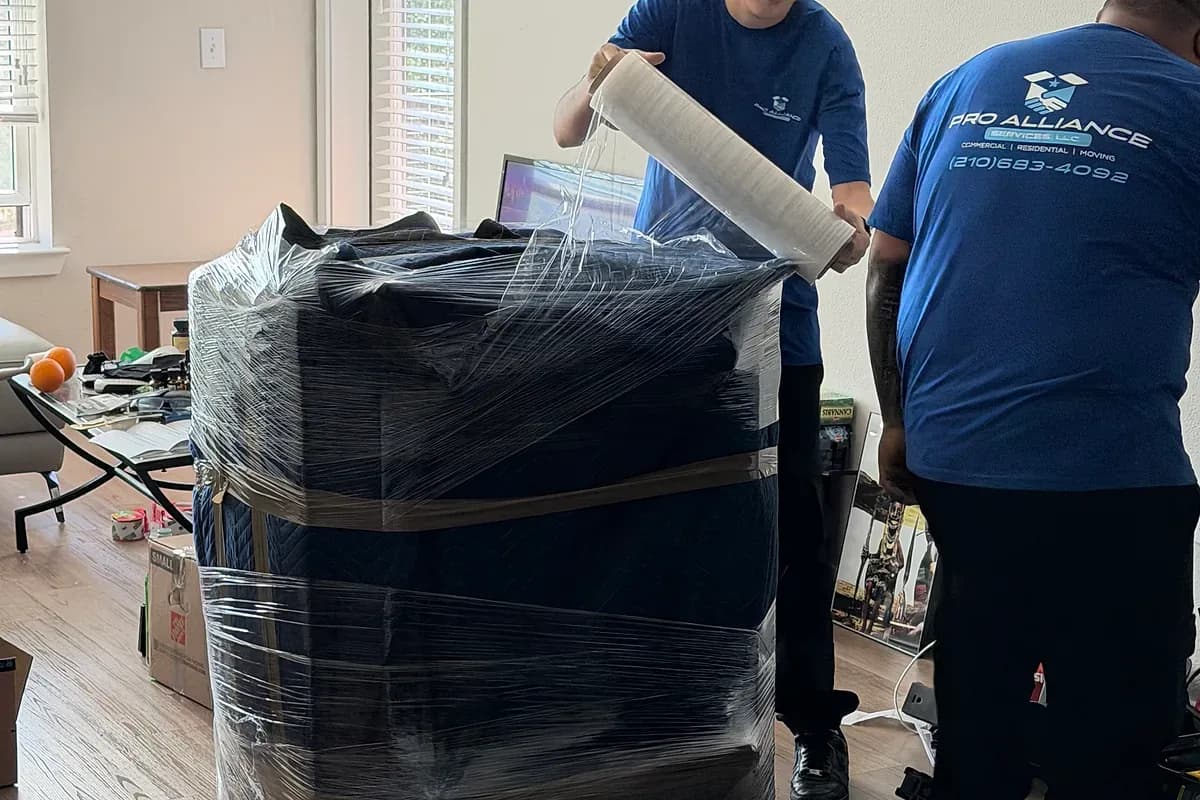
On a ready job, loading day has a clean shape. The crew walks the home, protects floors and doorways, and goes straight to wrapping furniture, because every carton is already sealed and staged. Boxes grouped by room move out in runs, and furniture is padded and loaded around them. The truck fills in a deliberate order rather than in whatever order things become available.
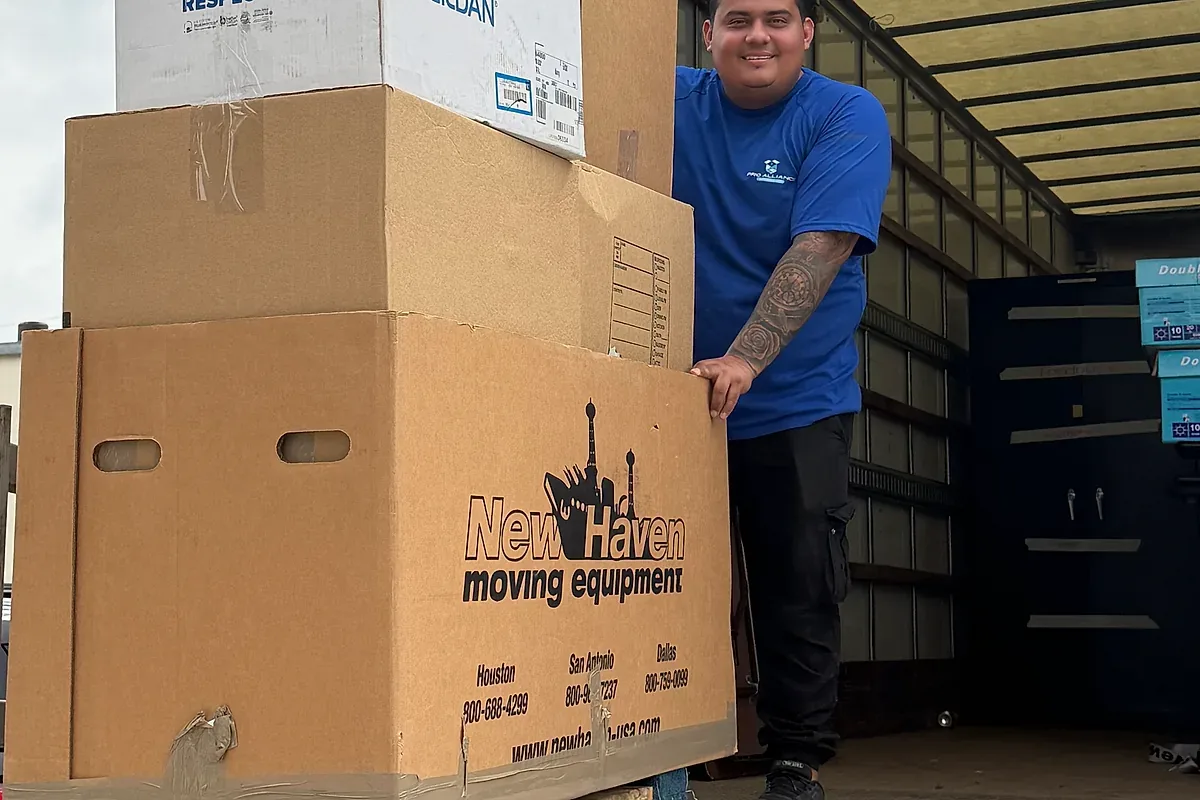
An unready job changes shape immediately. The crew works around half-packed rooms, boxes get sealed on the fly, and the load order ends up following the packing rather than the plan. That turns a predictable day into a slower, improvised one, and it is the one piece of loading day that is fully up to you ahead of time.
A self-pack readiness checklist
Run this list in the final week before loading.
- Finish and seal every carton no later than the night before loading, so nothing is being packed while the crew works.
- Tape every box closed so the top sits flat, and repack anything that bulges or will not close.
- Write the destination room on at least one side of each carton, not only on the top.
- Flag fragile cartons on the label and pack them to survive sitting inside a stack.
- Keep each box at a weight one person can lift and carry without strain.
- Put dense items in small cartons and light, bulky items in large ones.
- Pull propane, gasoline, paint, aerosol cans, and other hazardous materials out of everything headed for the truck.
- Clear out perishable food instead of boxing it.
- Set documents, medications, keys, and small valuables aside to travel with you, and tell the crew that group stays behind.
- Group finished cartons by room and leave clear walking paths to the door.
Still deciding who should pack
This guide assumes the boxing is yours. If the open question is whether it should be, that decision has its own guide. Full versus partial packing services in San Antonio covers when a crew pack or a split arrangement fits better than packing yourself. If a few rooms belong with a crew after all, the packing services page describes how a written partial scope works. And if the rest of the move is still taking shape, the San Antonio moving services guide matches each service to the job.
Where Pro Alliance fits
Self-packed moves get planned from a handful of facts and one honest note. The facts are the rooms packed, a rough carton count, the furniture the crew will handle, and the move date. The note names anything too fragile or awkward for boxes you packed yourself. Send all of it in a free estimate request, and see packing services for what crew packing would cover.
Frequently asked questions
Can movers decline to load a box I packed?
Yes, when it cannot travel safely. A carton that is open, leaking, bulging, or too heavy to carry gets set aside to be fixed rather than loaded as it is. The same applies to anything from the prohibited categories, such as fuel or propane, no matter how well it is boxed.
The practical fix is to walk the home the day before loading with the same eyes the crew will bring. Anything you would not stack in your own garage should be repacked before the truck arrives.
How heavy is too heavy for a self-packed box?
Use a person, not a number. If one adult cannot lift the carton and carry it through a doorway without strain, it is too heavy, whatever it weighs. Boxes also fail at the bottom before they fail anywhere else, so a carton that flexes when lifted needs to be split.
Books, paper, tools, and canned goods are the usual offenders. Keep dense loads in the smallest cartons and let the big boxes carry bedding, lampshades, and other light bulk.
Do all boxes need to be sealed before the crew arrives?
Yes. Every carton going on the truck should be closed, taped, and labeled before the crew walks in. Open totes and half-packed rooms pull the crew out of its loading sequence and leave the remaining packing to happen under pressure.
If the calendar collapses and some rooms will not be done, say so when you confirm the job rather than on the morning of the move. Unfinished packing changes the scope of the work, and it is easier to adjust the plan ahead of time.
How should boxes be labeled for movers?
Write the destination room on the side of the carton, not only the top, because tops vanish once boxes are stacked. Add a fragile note where it applies and an upright mark on cartons that must not be turned.
Label by where the box is going, not where it came from. A crew unloading at the new address needs the box to say kitchen or front bedroom in that house. The same room names help again if the layout is not obvious.
What should I move in my own vehicle instead of the truck?
Documents, medications, keys, chargers, jewelry, cash, and anything irreplaceable. Texas consumer guidance is direct about this: movers do not take responsibility for money, jewelry, medications, or important papers that customers pack themselves. Those items travel with you.
Set them apart early, in a bag or box that never joins the shipment, and tell the crew which pile stays. The most common way personal items end up on the truck is a helpful hand sealing the wrong box.
Sources
Ready to plan the real move?
Send both addresses, your date, and what you are moving. The team reviews access at each end and comes back with a written estimate.
Prefer to talk it through? Call (210) 683-4092, Mon–Fri 8:00 AM–5:30 PM and Sat–Sun 8:00 AM–4:30 PM.
Keep planning