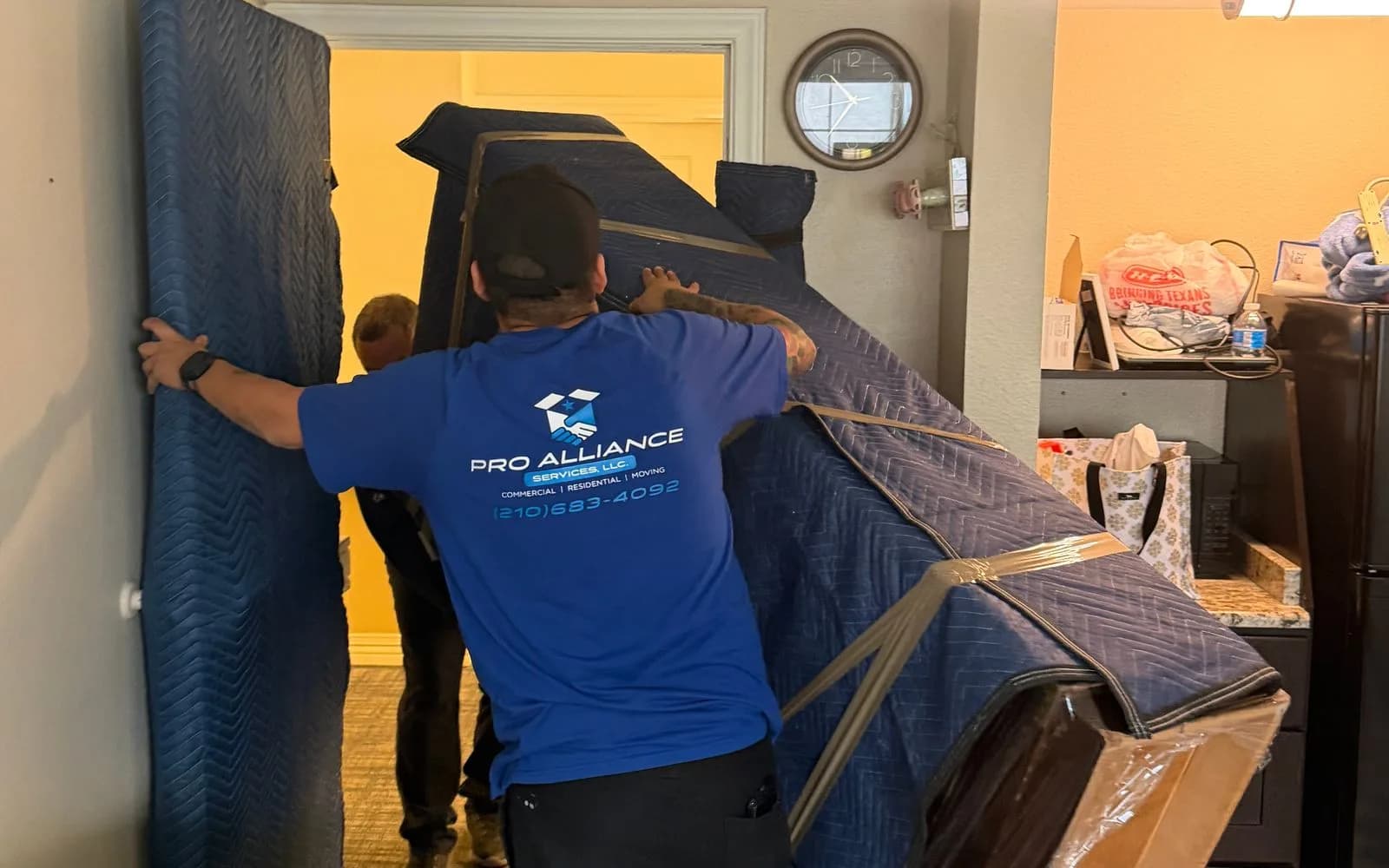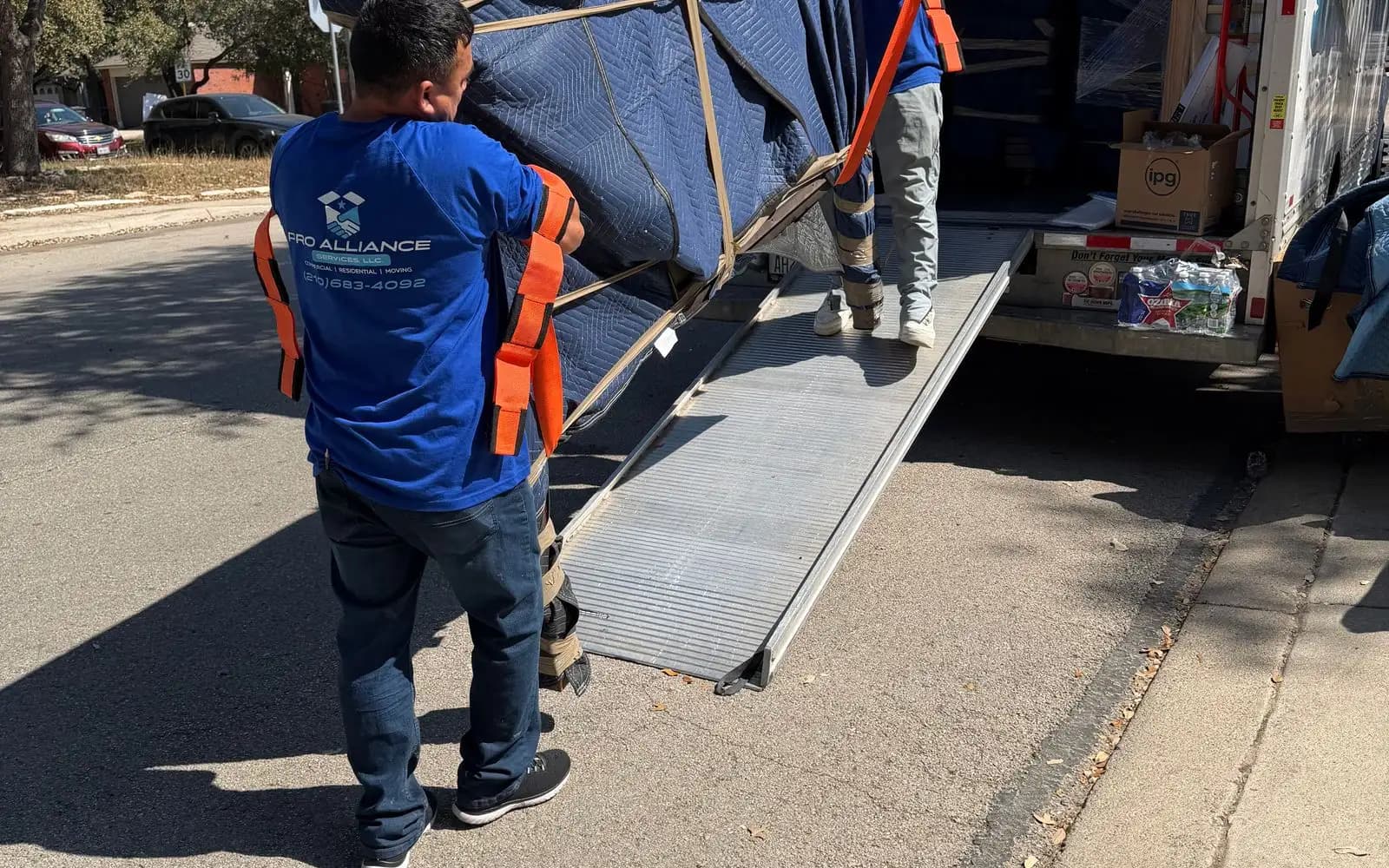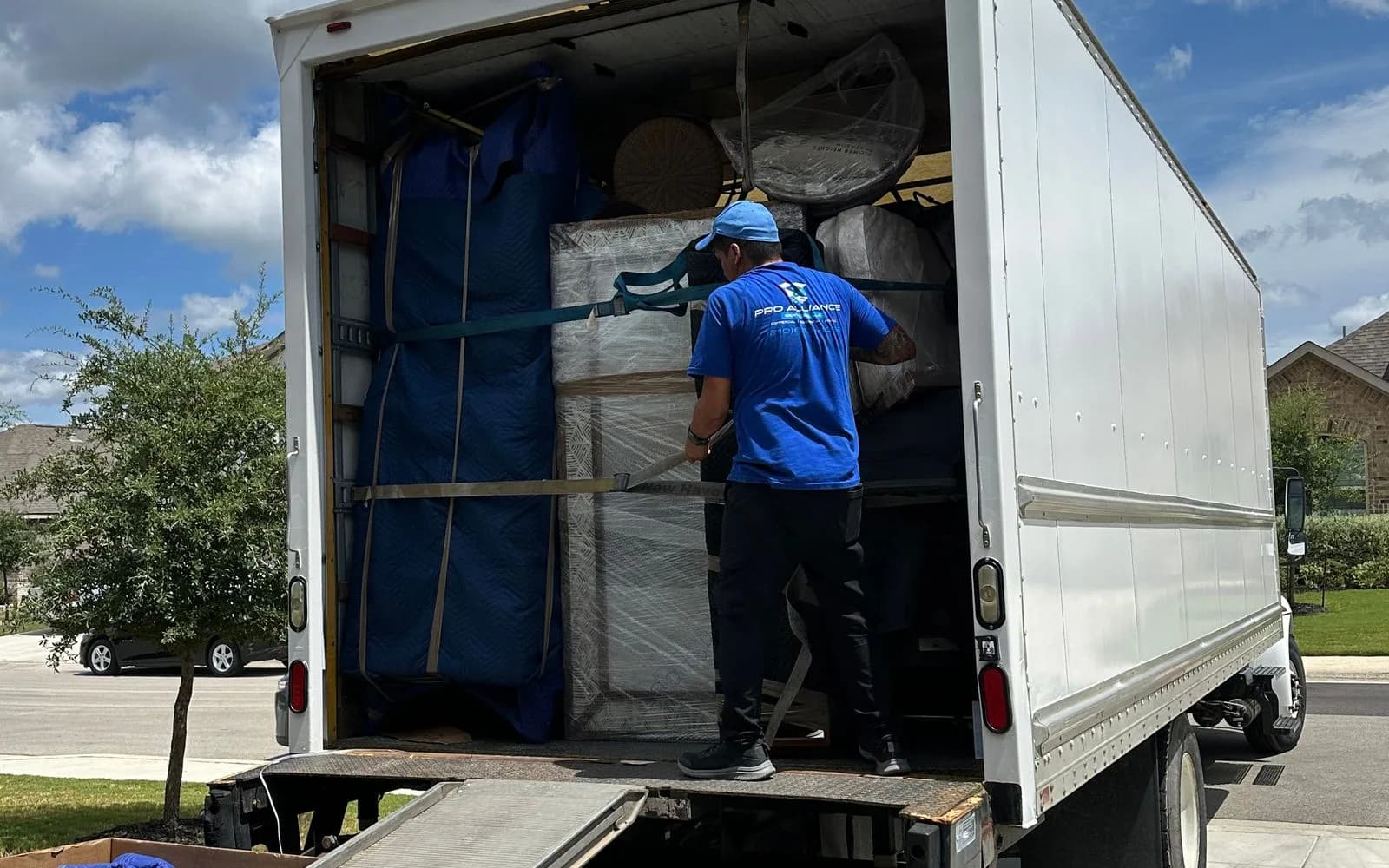
Joint Base San Antonio is three installations under one command: Fort Sam Houston, Lackland, and Randolph. Orders to any of them, or away from any of them, put a household on the road. A large share of those households decide to run the move themselves rather than hand it to the government's contracted carrier.
That option is called a personally procured move, and it is where a commercial mover like Pro Alliance enters the picture. The service member arranges the move, hires whoever does the lifting and driving, keeps the paperwork, and submits the expenses afterward. It is more work than a government-arranged move and more control, and the work is mostly in the paperwork.
This guide is about the logistics of that choice on the San Antonio end. It covers what the transportation office and the Defense Personal Property System handle, what stays with you, how a report date changes the plan, and what to ask a mover before you hire one. It makes no claim about what the government will reimburse. That is between you and your transportation office.
Direct answer: A personally procured move to or from Joint Base San Antonio runs in two lanes. The government lane is the Defense Personal Property System and your transportation office: counseling, the move authorization, and the reimbursement request afterward, on the documents they specify. Your lane is everything physical: choosing the dates, hiring a registered mover or renting a truck, getting a written estimate from an inventory the mover has seen, and keeping every receipt. Confirm with the transportation office which documents it requires before moving day, because a missing weight ticket or receipt cannot be created afterward. Then hire the mover the way you would hire one for any move, with registration checked and the estimate in writing.
Short answer: how a personally procured move works in San Antonio
A personally procured move is one the service member arranges and performs, with or without a commercial mover, instead of a government-arranged shipment. The Defense Personal Property System is where the move is scheduled and where reimbursement is requested afterward, and the transportation office counsels you on what it requires. Everything physical stays with you: the dates, the mover, the written estimate, and the receipts. For a move that stays inside Texas, the mover should be registered with TxDMV; for a move that crosses a state line, it should also hold federal USDOT and MC numbers. Ask the transportation office which documents it needs before the truck is loaded, and treat those documents as part of the inventory.
Two lanes: what DPS handles and what you handle
Military OneSource describes the Defense Personal Property Program as the program that provides moving and storage services to service members and their families. It describes the Defense Personal Property System as the place to schedule a move, track a shipment, or file a claim. For a personally procured move, that is the government lane: the counseling, the authorization, and the reimbursement request when the move is done.
The Military OneSource fact sheet on personally procured moves and rogue operators describes the other lane plainly. This is a household goods move you arrange and perform yourself, and the fact sheet exists partly to warn about the movers who target military families doing exactly that. The warning is the same one every consumer agency gives: a firm price without seeing your goods, a large deposit up front, no verifiable registration.
The practical split is this. Anything about entitlements, allowed weight, or what gets reimbursed is a transportation office question, and you should ask it there before you sign anything with a mover. Anything about trucks, crews, dates, and estimates is a mover question, and the rest of this page is about those.
The paperwork that cannot be recreated
The reimbursement request depends on documents, and some of those documents only exist if you create them at the right moment. Ask your transportation office for its exact list before moving day. Then plan the day around producing each item.
Weight tickets are the usual example. If the office requires empty and loaded weights for a rental truck, the truck has to visit a certified scale twice, and that visit has to fit between pickup and loading. Receipts for the mover, the truck, fuel, packing materials, and tolls all belong in one folder from the first day. A written estimate from the mover, built from an inventory the mover has actually seen, belongs in the same folder. The federal Protect Your Move guidance treats a written estimate as the baseline for any move.
Keep a copy of the orders with the folder. Every office you deal with, from the leasing office to the mover, will want to see them at some point.
Timing around a report date
Orders come with a report date, and the report date does not move. Everything else does. Housing is often not settled until after arrival, and leases end on their own schedule. A family arriving at Lackland in the middle of a school year has a different calendar than a single airman arriving at Fort Sam Houston.
Two timing patterns come up often. The first is the split move: the service member reports on time while the family follows weeks later once housing is confirmed, which means two smaller moves instead of one large one. The second is the storage gap: the household leaves the old home before the new one exists, and the goods wait in a unit the family rents. Both are normal and both change the estimate, so say which one you are planning when you request it.
Winter orders overlap with the holiday calendar, and the fall and holiday moving guide covers the closures and daylight problems that come with a December move. Orders that take the household out of Texas entirely fall under the interstate framework, which the long-distance moving from San Antonio guide covers.
The neighborhoods around each installation
Where a household lands depends on the installation, and the installations sit on different sides of the city. Fort Sam Houston is on the near northeast side, close to downtown, with Alamo Heights and Terrell Hills nearby. Lackland is on the far southwest side, out toward Loop 410 and US 90. Randolph is northeast of the city near Universal City, Converse, Schertz, and Cibolo.
Each of those communities has its own page on this site that covers access, parking, and the moving-day specifics: Alamo Heights, Terrell Hills, Universal City, Converse, Schertz, and Cibolo. If the new home is inside the gates of an installation, the rules for a commercial truck entering are set by the installation and handled through your sponsor or housing office. Ask them directly, and give the mover whatever they tell you.
Hiring the mover for a personally procured move
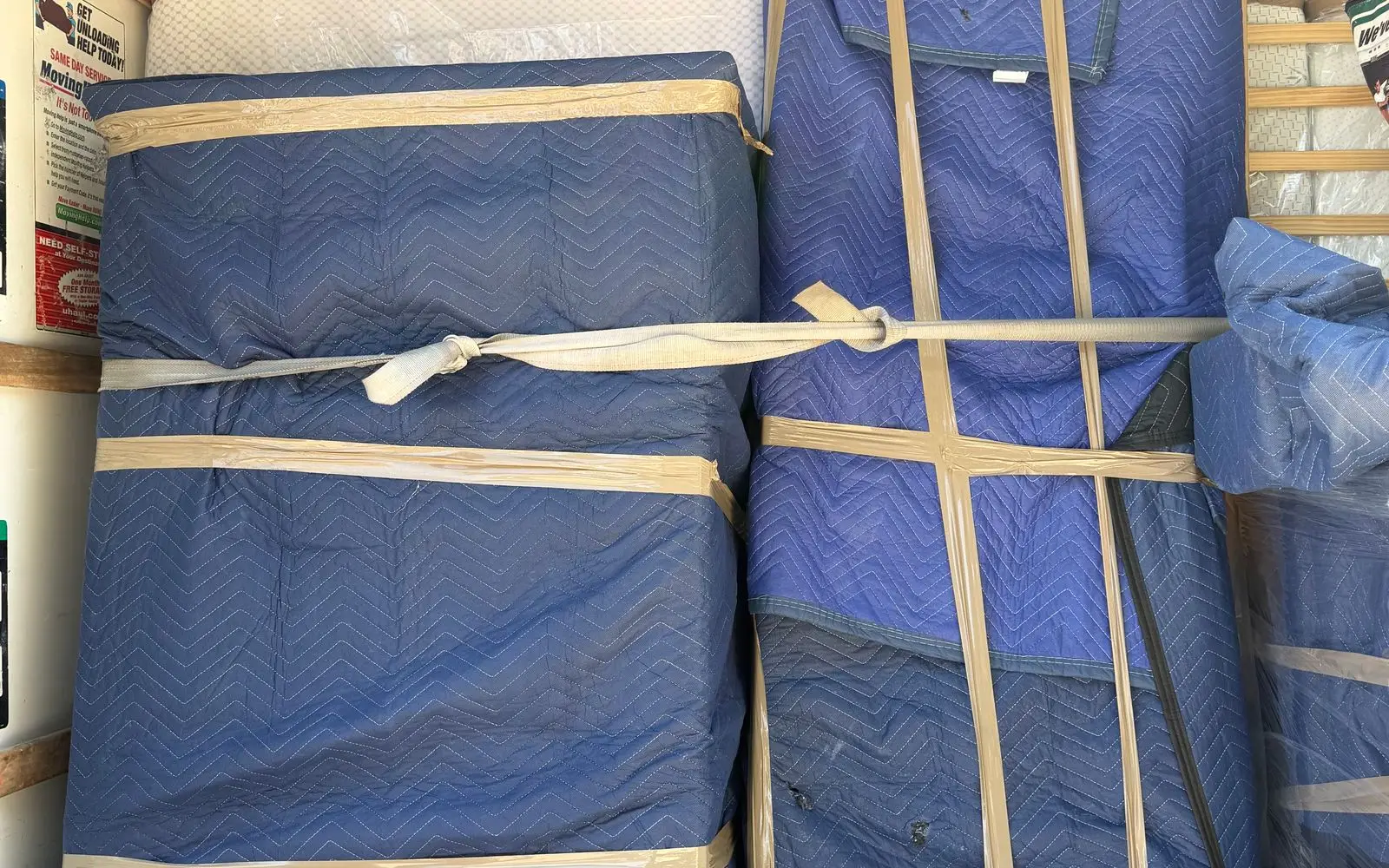
Hire the mover for a personally procured move the same way you would for any other move, with one addition: the paperwork list from the transportation office becomes part of the brief. The guide to verifying a licensed moving company in Texas walks the registry lookup step by step. The Texas Department of Motor Vehicles consumer protection pages explain what a registered intrastate mover owes you, and the federal guidance covers the interstate side.
Coverage deserves its own decision. A personally procured move puts the liability question in your hands instead of the government's. The plain-language guide to moving valuation coverage in Texas explains the two levels every mover offers and how to choose between them in writing.
- Ask the transportation office for its exact document list before you contact any mover, and write it down.
- Confirm the mover's TxDMV registration, and its USDOT and MC numbers if the move leaves Texas, in the public registries.
- Get a written estimate built from an inventory the mover has seen in person or in photos, and keep the copy.
- Choose a valuation level in writing before moving day, since the coverage decision is yours on a personally procured move.
- Tell the mover which pattern you are running, a split move, a storage gap, or a single move, because each one changes the scope.
- Keep one folder from the first day for the orders, the estimate, weight tickets if required, and every receipt.
- Ask your sponsor or housing office, not the mover, what a commercial truck needs to enter an installation, and pass that along.
- Schedule the scale visits, if weight tickets are required, as fixed appointments in the moving-day plan rather than afterthoughts.
Where Pro Alliance fits
Send both addresses, the report date and any flexibility around it, a room-by-room inventory, and the document list your transportation office gave you, and the team can review the specific move before putting a scope in writing. Start with the free estimate form. The local service is described on the San Antonio local movers page.
Frequently asked questions
What is a personally procured move?
It is a move the service member arranges and performs instead of a government-arranged shipment, with or without a commercial mover. The Defense Personal Property System handles the scheduling and the reimbursement request; the household handles the dates, the mover, and the paperwork.
Can I hire a commercial mover for a personally procured move?
Yes. Hiring a registered mover is one of the ways a personally procured move is performed. The transportation office decides what it will reimburse and on which documents, so ask that question there first, then hire the mover the way you would for any move.
Does the mover need to be registered?
A mover working inside Texas must be registered with TxDMV, and one that crosses state lines must also hold federal USDOT and MC numbers. Both are public records. Military OneSource warns specifically about rogue operators who target families running their own moves, and the registration check is the cheapest defense.
What paperwork should I keep?
Whatever the transportation office lists, plus the orders, the written estimate, and every receipt. Weight tickets, when required, must be produced at a certified scale during the move and cannot be recreated later. Keep it all in one folder from the first day.
What if the family moves after the service member reports?
That is a split move, and it is common. It becomes two smaller moves on two dates, sometimes with a storage gap in between while housing is confirmed. Tell the mover that is the plan when you request the estimate, so the scope matches the real sequence.
Sources
Ready to plan the real move?
Send both addresses, your date, and what you are moving. The team reviews access at each end and comes back with a written estimate.
Prefer to talk it through? Call (210) 683-4092, Mon–Fri 8:00 AM–5:30 PM and Sat–Sun 8:00 AM–4:30 PM.
Keep planning