Between the moment you request a quote and the moment a figure arrives, something happens that most people never see. An estimator builds a picture of your move: what is traveling, how hard it is to reach, and how long the work should run. The figure is only as good as that picture.
Which is why two households with identical furniture can receive different figures, and why a figure sometimes changes after moving day starts. The estimate did not fail. The picture was incomplete.
This page walks through the process itself: the walkthrough formats, the questions about access, what the written document should say, and how to prepare so the first figure is the real one.
Direct answer: A moving estimate is built from two inputs, an inventory of what is traveling and the access conditions at both addresses. Expect a walkthrough in some form, in person, over video, or through photos, followed by questions about stairs, elevators, parking, and the distance from door to truck. The result should be a written document that states what kind of estimate it is and what the figure covers. Whatever the estimator never saw is the part that changes the figure later, so the preparation that matters most is simple. Show everything, including the garage, the attic, and the closets you would rather not open.
Short answer: what happens during a moving estimate
A moving estimate starts with an inventory. The estimator surveys your home in person, over a video call, or from photos you provide, and records what is traveling, what needs disassembly, and what needs packing. Then come the access questions: stairs, elevators, parking, gate codes, and the carry distance at both addresses. From those two inputs the company produces a figure, and it belongs in writing. The TxDMV tells consumers moving within Texas to expect a registered mover and written paperwork before work begins, and the federal framework covers interstate moves. The estimate is only as accurate as what the estimator saw. Undisclosed rooms, unmentioned stairs, and late additions are what move a figure afterward, so complete disclosure is the fastest route to a number you can trust.
The two inputs: inventory and access
Everything in a moving quote traces back to inventory or access. Inventory is the what. How many rooms of furniture, which pieces come apart, what needs professional packing, what is unusually heavy or fragile. Access is the how. Where the truck can stand, how far the crew carries each load, and what sits between your door and the tailgate.
Estimators ask about access because it changes the labor more than most furniture does. A third-floor walkup with street parking is a different job from a driveway and a ground floor, with the same exact sofa. The San Antonio moving access guide covers how to read a property the way a crew does, and the same checklist applies anywhere in Texas.
In person, on video, or from photos
An in-home survey is the most thorough format. The estimator walks every room, opens the garage, and sees the staircase you forgot to mention. For a large household or complicated access, it is worth insisting on.
A video walkthrough trades some rigor for convenience. You carry a phone through the house while the estimator watches and asks questions. It works well when you show everything, and poorly when you narrate from the hallway.
A photo inventory is the lightest format. You photograph each room and anything notable, and the estimator builds the list from what you send. It fits small, simple moves. Whatever the format, the rule is the same: the estimate covers what the estimator saw, and the closet you skipped is not in the figure.
What the written estimate should say
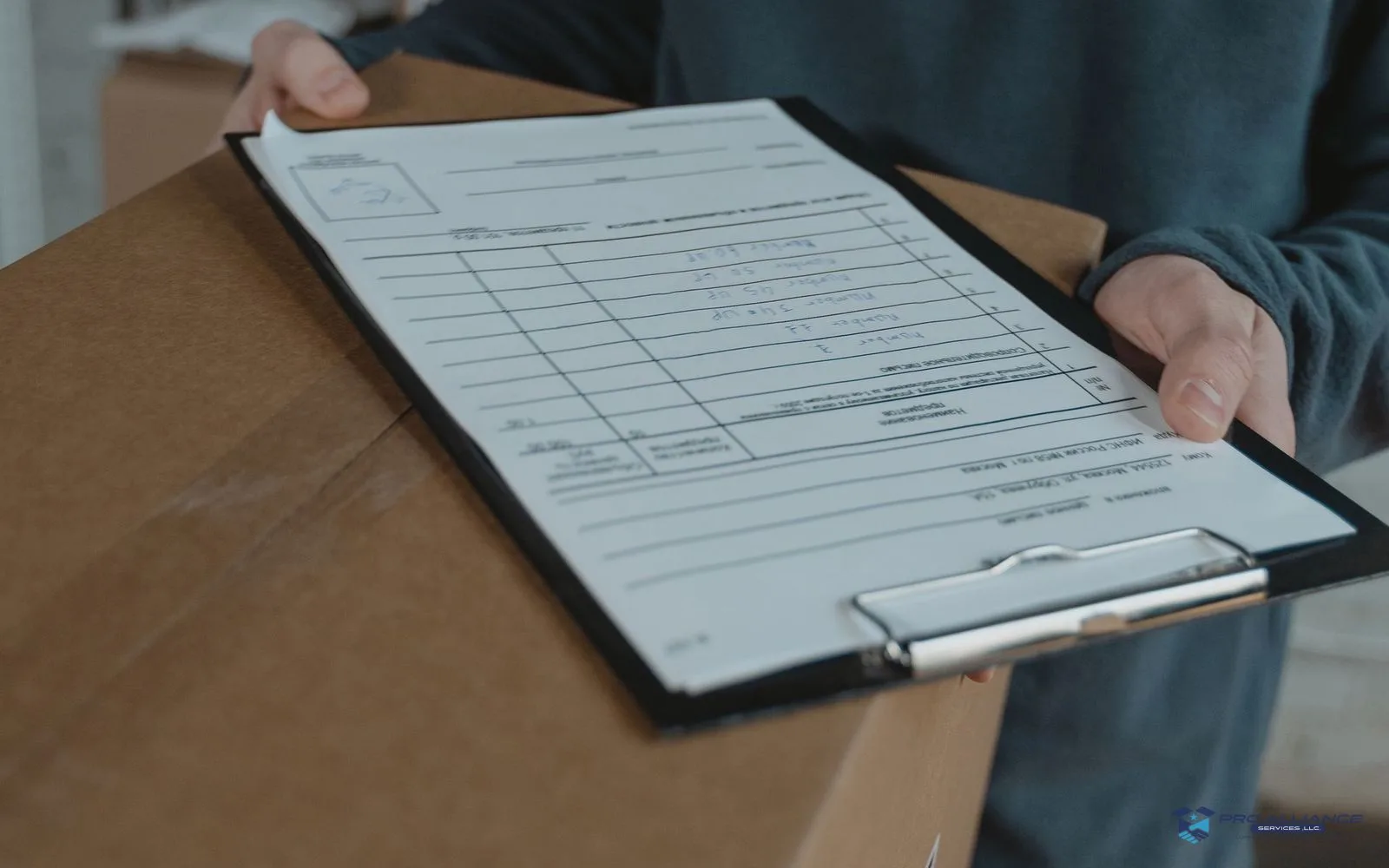
Texas is specific about paperwork. The TxDMV's Don't Make a Move Without Us guidance tells anyone moving within the state to use a registered mover and to expect written paperwork before the work begins. For moves that cross a state line, the FMCSA's Protect Your Move materials describe estimate types and consumer rights under the federal framework.
Read the document for what kind of estimate it is, since binding and nonbinding figures behave differently when the job runs long. Read it for what the figure includes, since packing, materials, and disassembly are sometimes line items rather than assumptions. And read what it says about changes, because the procedure for a revised figure should exist on paper before anyone needs it.
A company that resists putting the figure and its terms in writing has answered your real question already.
Why figures change, and who owns that topic
This page owns the process, meaning how the figure gets made. What moves the figure itself is a separate subject, and the site covers it separately for each metro. The San Antonio apartment moving cost factors article covers the variables on the San Antonio side, and the Austin moving cost factors article does the same for Austin moves. If you want to understand why a quote looks the way it does, start with those. If you want the first quote to be right, stay here and prepare the walkthrough.
Preparing for the walkthrough
The estimator can only price what they see, so preparation is mostly a matter of showing everything and deciding a few things in advance.
- Decide what is not making the move, and remove it or label it before the estimator arrives.
- Open every space you control, including the garage, the attic, closets, and any shed or storage unit.
- Point out anything that comes apart, and say whether you expect the crew to handle the disassembly.
- Flag the heaviest and most fragile items directly instead of letting the estimator guess.
- Describe the destination honestly, including stairs, elevators, parking, and the distance from door to truck.
- Gather photos of the destination entry if you have never lived there.
- Mention anything you plan to add later, because additions after the estimate are the most common reason a figure changes.
- Ask what kind of estimate you are receiving, and read the written version before you sign anything.
Where Pro Alliance fits
Send both addresses, your date, and a room-by-room inventory, plus photos of anything complicated: the staircase, the parking situation, the piece you are unsure about. The team reviews the details and prepares a written scope for your specific move. Start with the free estimate form.
Frequently asked questions
Do I need an in-home survey, or are photos enough?
Match the format to the move. A small apartment with easy access photographs well. A full house with a garage, an attic, and tricky access deserves an in-person or video walkthrough. When in doubt, choose the more thorough format, because the estimate can only cover what the estimator saw.
Is a moving estimate a final price?
Not automatically. Estimates come in different types, and binding and nonbinding figures behave differently when conditions change. The written document should state which kind you have. Read it before signing, and ask about anything the language leaves open.
Why did the figure change after the estimate?
Almost always because the job changed. Items were added, an unmentioned flight of stairs appeared, or access turned out harder than described. The fix sits on the front end: show everything during the walkthrough, and update the mover whenever your plans shift.
What should I have ready before the estimator arrives?
A clear sense of what is going and what is not, open access to every storage space, and honest details about both addresses. If you have photos of the destination, have them ready too. The fewer surprises in the walkthrough, the fewer in the figure.
Does Texas regulate moving estimates?
Moves within Texas fall under the TxDMV, which registers intrastate movers and tells consumers to insist on written paperwork before the move. Moves that cross a state line fall under the federal FMCSA framework, which defines estimate types and consumer rights. Both agencies publish consumer guidance worth reading before you book anyone.
Sources
Ready to plan the real move?
Send both addresses, your date, and what you are moving. The team reviews access at each end and comes back with a written estimate.
Prefer to talk it through? Call (210) 683-4092, Mon–Fri 8:00 AM–5:30 PM and Sat–Sun 8:00 AM–4:30 PM.
Keep planning