The garage shelf ends more moving days than the piano does. Propane tanks, half cans of paint, a jug of pool chlorine: none of it can go on the truck, and most people find that out while the truck is in the driveway.
The list of refused items is not a company quirk. Hazardous materials rules restrict what can travel in transport, and a sealed cargo box parked in Texas heat makes those restrictions easy to respect. A crew that loads your gasoline can anyway is telling you something about how it treats the rest of the rules.
Every item on the list has a workable alternative. Handling them a week or two early keeps moving day boring, which is the goal. It also makes your estimate more accurate, because nobody is improvising around a pile of refused items while the clock runs.
Direct answer: Movers will not load hazardous materials: propane tanks, gasoline and other fuels, aerosol cans, opened paint and solvents, pool chemicals, pesticides, fertilizer, and most cleaning agents. Most also decline perishable food and living plants, and every mover will tell you to keep documents, medication, keys, and jewelry in your own vehicle. The alternatives are straightforward. Use up or give away what you can, drain fuel from equipment, exchange or hand off propane tanks, and take opened chemicals to a household hazardous waste collection program. Plants and the contents of the fridge ride in your own car. Sorting all of it early keeps the quote honest and the loading day short.
Short answer: what movers won't move
Moving companies refuse anything classified as hazardous: fuels, propane, aerosols, opened paint and solvents, pool treatment, fertilizer, and pesticides. Federal hazmat rules restrict these in transport, and a sealed trailer riding through Texas heat is exactly the environment those rules exist for. Most movers also decline perishable food and living plants, which cannot survive the trip, and every mover recommends carrying irreplaceable items yourself: documents, medication, cash, and jewelry. None of this strands you. Fuels can be drained or used up, propane tanks exchanged or given away, and opened chemicals dropped at a household hazardous waste collection. Plants and the freezer's contents travel in your own vehicle. The work is sorting early, not solving anything hard.
Why the list is not negotiable
The federal government restricts hazardous materials in transportation, and its Check the Box campaign exists because ordinary household items keep ending up in shipments where they do not belong. Pressure, heat, and vibration are the triggers. A moving trailer supplies all three, for hours, with nobody watching the cargo.
That is why the refusal is not a judgment call the crew makes in your driveway. A mover that follows the rules refused your propane tank before it ever saw your garage.
Fuels, propane, and anything with an engine
Gasoline, kerosene, and diesel cannot travel, and neither can equipment with fuel still in it. Run the mower and trimmer dry, or siphon the tanks into a container a neighbor can use. Lawn equipment moves fine once it is empty.
Propane is its own category. Tanks hold pressurized gas, and no reputable crew will load one, full or otherwise, because a closed cylinder cannot be verified empty by looking at it. Exchange the tank at any retailer that swaps cylinders, hand it to a neighbor, or ask your propane supplier about returns. The Railroad Commission of Texas, which oversees gas safety in the state, publishes safety guidance worth reading if tanks are a regular part of your household.
Gas appliances are the adjacent case. The dryer or range itself moves; the connection work is not the moving crew's job. Disconnecting a gas appliance safely is its own preparation topic, and the appliance moving prep guide covers it, including who to call and when to schedule them.
Paint, chemicals, and the rest of the garage shelf
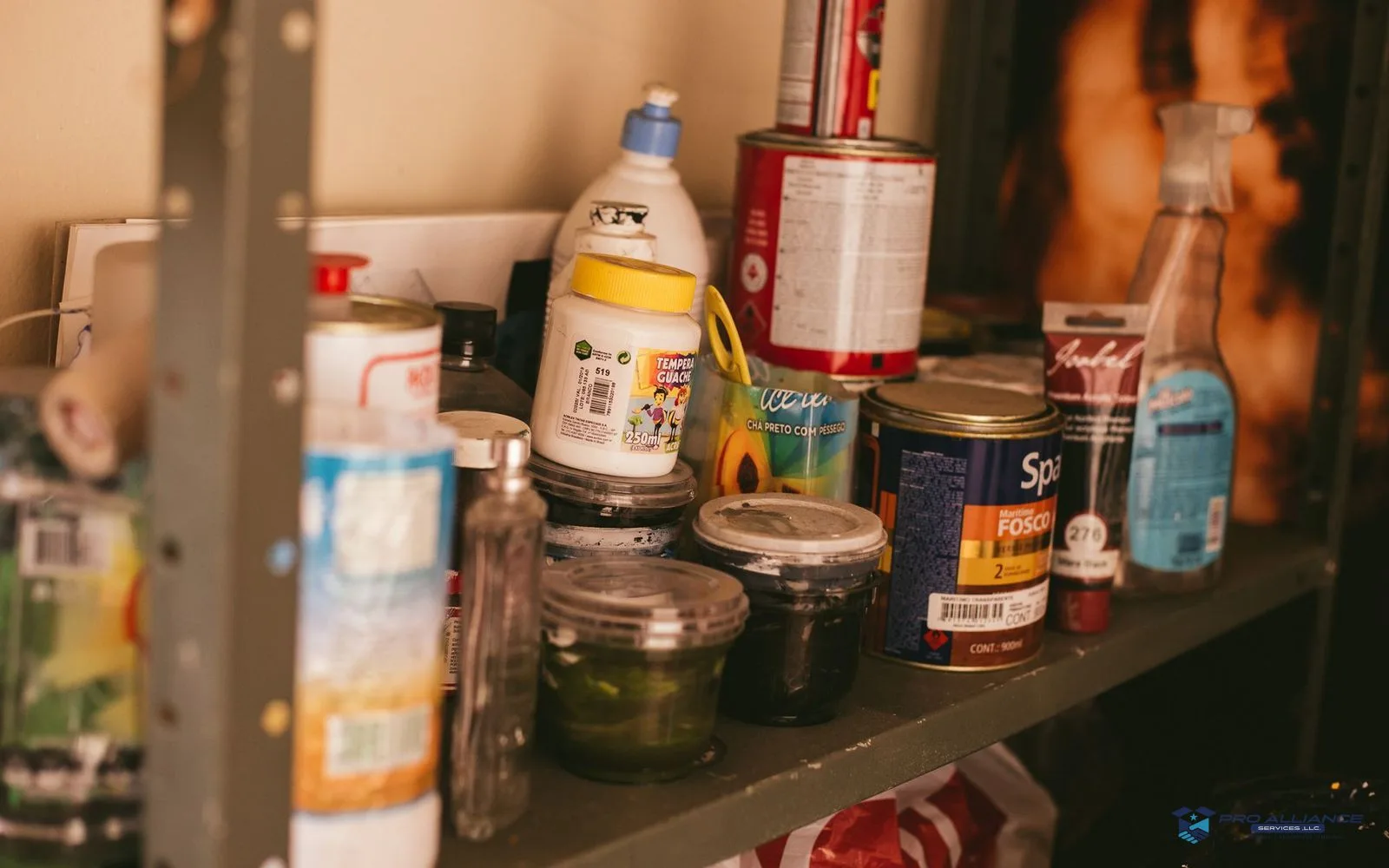
Opened paint, stains, solvents, pool chlorine, fertilizer, pesticides, and most cleaning products are refused for the same reason as fuel. They leak, react, or ignite. Aerosol cans are pressurized and heat sensitive, which makes a parked trailer in August the worst place in Texas for them.
The disposal path is better than most people expect. The Texas Commission on Environmental Quality points residents toward household hazardous waste programs, and many Texas cities run collection events or permanent drop-off sites for exactly this shelf. Unopened products in good condition are easier still. Neighbors, buy-nothing groups, and community organizations take paint and cleaning supplies gladly.
Whatever is left, do not pour it down a drain or into the ground. The collection programs exist so that nobody has to.
Perishables, plants, and what rides with you
Refrigerated and frozen food does not survive a trailer, so plan the last two weeks of meals around emptying the fridge. Sealed, shelf-stable pantry goods usually can be packed. If a packing crew is boxing your kitchen, the packing services page describes what that work includes, and anything opened or leak-prone is better used up or given away first.
Plants are refused by most movers because a dark trailer kills them, and a move across state lines can add agricultural rules on top. Carry them in your own vehicle, watered, with the pots wedged so they cannot tip.
Then there is the keep-with-you list, which no regulation requires and every mover recommends: passports and records, medication, chargers, keys, cash, and jewelry. The truck is not the risk. Separation is, and those are the items you want reachable at every point of the day.
Two weeks out: the sort
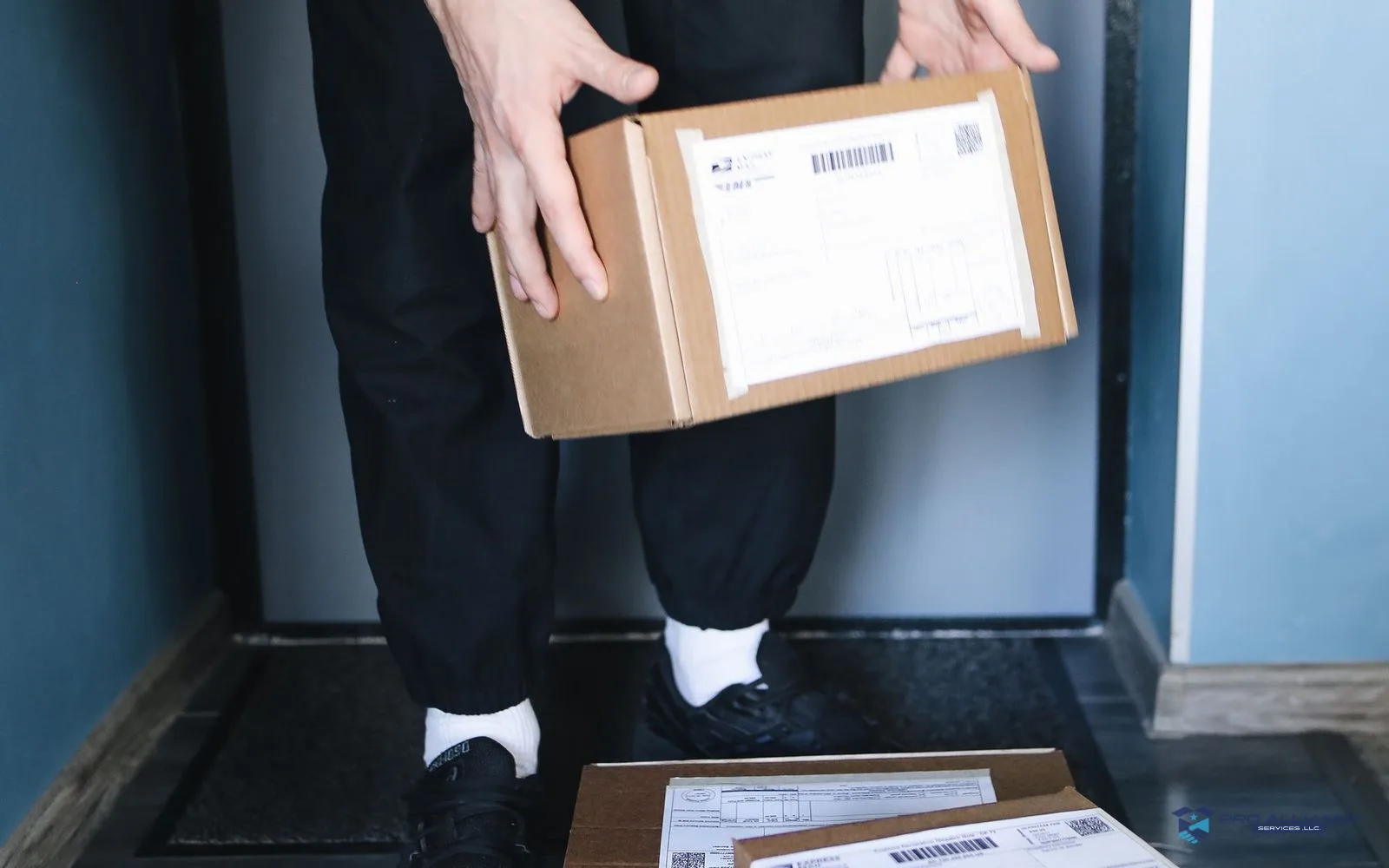
- Walk the garage, laundry room, and under-sink cabinets with an empty box and pull everything pressurized, flammable, or opened.
- Run lawn equipment dry, or siphon the fuel into a container a neighbor can use.
- Exchange propane tanks at a cylinder swap or hand them to a neighbor, since no crew will load one.
- Set aside unopened paint and cleaning supplies to give away, and list the rest for a household hazardous waste drop-off.
- Look up your city's household hazardous waste program and put its next collection date on the calendar.
- Plan meals to empty the refrigerator and freezer by the night before loading.
- Stage plants, documents, medication, keys, and valuables in a corner marked for your own vehicle.
- Tell your estimator what you have already removed, so the quote reflects what is actually traveling.
Where Pro Alliance fits
Send your addresses, your date, and an inventory, and note anything from this list you still need to deal with, including any gas appliance that needs a professional disconnect. The team can flag what should come off the load list before the quote is written. Start with the free estimate form.
Frequently asked questions
Can movers take a propane tank if it is empty?
No. A closed cylinder cannot be verified empty by inspection, so crews decline them regardless of what the owner says is inside. Exchange it at a retailer that swaps cylinders, hand it to a neighbor, or ask your propane supplier how to return it.
What should I do with leftover paint?
Give unopened cans away; neighbors and community groups usually take them. For opened cans, use your city's household hazardous waste program, which exists for exactly this. Do not pour paint down a drain.
Will movers take my plants?
Most will not, and the ones that would are not doing the plants a favor, because a trailer is dark and hot. Carry them in your own vehicle. If your move crosses state lines, check the destination state's rules on incoming plants before you drive.
Can food go on the truck?
Sealed, shelf-stable pantry items usually can, packed like anything else. Refrigerated, frozen, and opened food cannot. Plan the last two weeks of meals around emptying the fridge, and give away whatever is left on the final night.
What happens if the crew finds a restricted item on moving day?
It stays behind, and dealing with it becomes your problem while the loading continues around it. The crew is not being difficult. The rules that restrict hazardous materials in transport do not bend for a tight schedule, and sorting the garage two weeks early is how you avoid the scene entirely.
Sources
Ready to plan the real move?
Send both addresses, your date, and what you are moving. The team reviews access at each end and comes back with a written estimate.
Prefer to talk it through? Call (210) 683-4092, Mon–Fri 8:00 AM–5:30 PM and Sat–Sun 8:00 AM–4:30 PM.
Keep planning