Every San Antonio move starts at the same fork. Down one path you rent a box truck, recruit whoever owes you a favor, and give up a Saturday. Down the other you hire a crew and pay for labor you would otherwise supply yourself.
Neither answer is right for everyone. Plenty of moves are genuinely better done with a rental truck, and this guide says so plainly. Plenty of others turn the rental into a long day of strained backs, dinged doorframes, and a second trip nobody planned for.
The useful move is to stop treating this as a personality question and treat it as an inventory question. What follows draws the line: where the DIY route wins, where it stops winning, what San Antonio's heat and highways add, and a checklist that turns the choice into a set of observable facts about your own move.
Direct answer: Rent a truck when the move is small and the access is easy: a studio or one-bedroom, ground-floor doors at both ends, capable help, and a flexible day. Hire movers when any of those conditions fails. Stairs, an inventory that fills two or more bedrooms, heavy or awkward pieces, a fixed lease deadline, or a summer moving date each push the decision toward a crew, because the rental figure on the website is only part of what the DIY version asks of you in time, fuel, equipment, and risk. If you sit between the two, a written estimate from a registered mover makes the comparison concrete for your specific home.
Short answer: should you hire movers or rent a truck in San Antonio
Rent a truck when the whole move is light: a studio or one-bedroom, ground-floor access at both ends, willing helpers, and a flexible schedule. That version of moving day works, and it is the honest budget pick. Hire movers when the inventory fills two or more bedrooms, when either address involves stairs or a long carry, when heavy pieces need disassembly, or when the date lands in San Antonio's summer heat. The rental route shifts every one of those burdens onto you: the driving, the loading order, the equipment, and the injury risk. A written estimate from a registered mover is the fastest way to compare the two options for your specific home.
Where renting a truck genuinely wins
The rental truck earns its keep on small, simple moves. A studio or one-bedroom apartment with a ground-floor door, or an elevator that opens near the parking lot, is a few hours of work for two reasonably fit people. If your friends are actually available, if your schedule can absorb a slow day, and if nothing in the inventory outweighs a mattress, the DIY version is a fair trade of effort for savings.
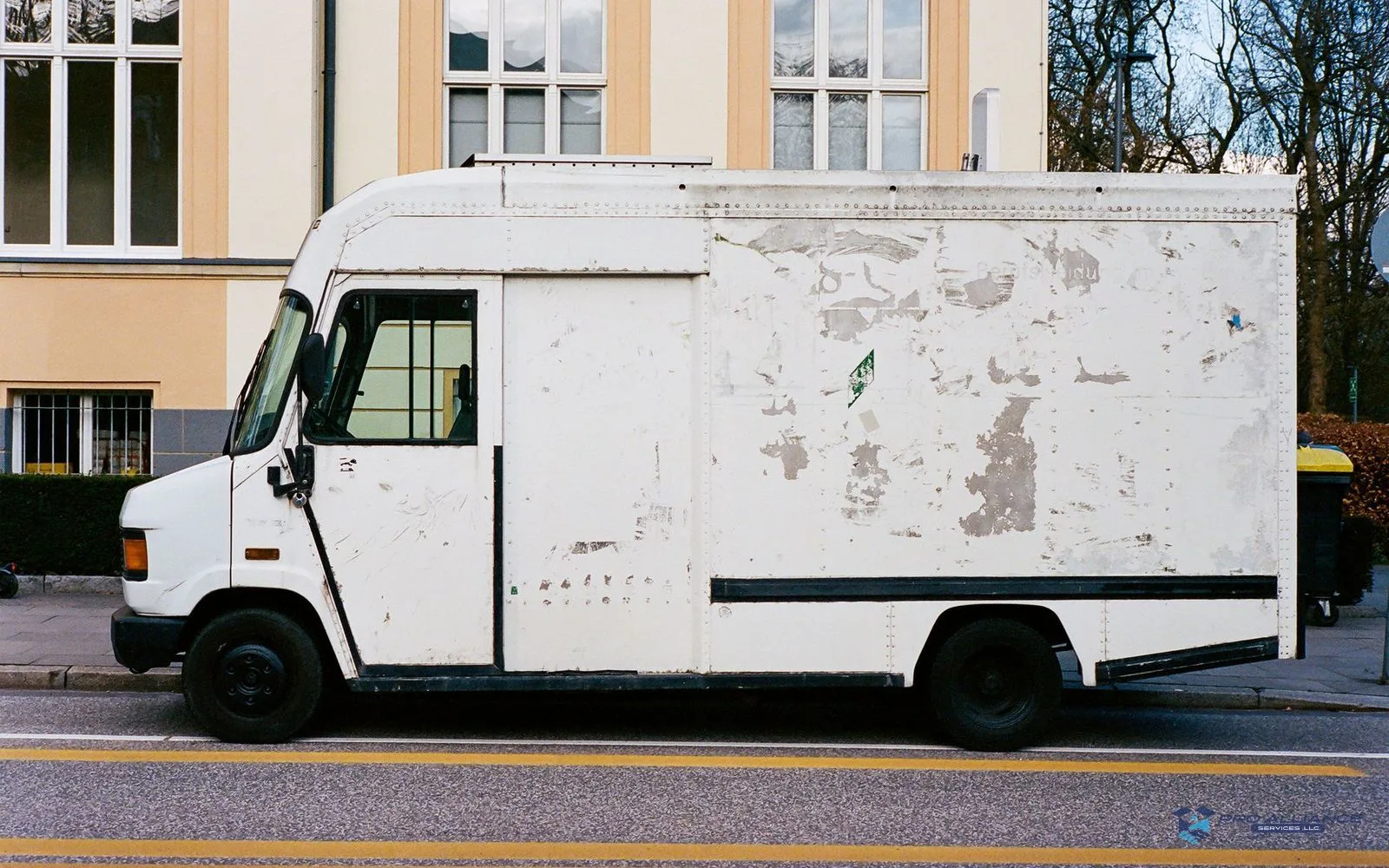
Control is the other honest advantage. You decide when the truck arrives because you are driving it. You decide what gets loaded first. Some people find that worth more than the labor it costs them, especially on a short crosstown hop where the drive is fifteen minutes and a mistake is cheap to fix with another trip.
Where the rental stops winning
The comparison flips one condition at a time, and stairs flip it fastest. A dresser that two friends can shuffle across a flat floor becomes a different object on a stairwell turn. Apartment complexes off Loop 1604 and older houses near downtown both produce the same problem in different shapes: long carries from a distant parking spot, or narrow interior turns that punish anyone learning on the job.
Inventory size flips it next. A three-bedroom house rarely fits one rental load, and the second trip doubles the driving, the loading, and the day. Add the pieces that need disassembly, a bed frame, a large table, an appliance with a water line, and the free Saturday quietly becomes a full weekend.
The last flip is the deadline. When a lease ends on a fixed date, the DIY plan has no slack. A helper who cancels, a truck that was not ready at the counter, or a load that will not fit leaves you solving a hard problem at the worst possible hour. A crew turns that risk into someone else's job, with a written scope behind it.
What the rental sticker leaves out
The number on the rental website is real, but it is the start of the accounting rather than the end of it. Fuel for a truck that drinks it. The dolly, the pads, and the straps, each rented or bought separately. The damage waiver question at the counter, answered under pressure. Pizza and favors for the helpers, plus the quiet cost of being the person who asked.
Then there is the part nobody prices: you drive a tall, unfamiliar vehicle through city traffic, and everything that happens on the road or the ramp is your problem. The federal Protect Your Move guidance is written for people hiring carriers, but it makes the underlying point well: a professional move comes with a written estimate, a defined scope, and a claims process. A rental comes with keys.
None of this makes the rental wrong. It makes the comparison honest. Weigh the full DIY ledger against a written estimate built from your actual inventory, and let the two documents argue it out.
San Antonio factors: heat and the highway
Two local realities lean on this decision harder than most out-of-town advice admits. The first is heat. From June into September, afternoon loading in San Antonio is the hardest work of the day, and the National Weather Service office covering the area publishes the forecasts that should shape your start time. Loading a truck is sustained physical work, and doing it untrained, in the hottest hours, is where DIY plans go wrong in ways that matter more than money. The summer heat moving plan covers how to run a June through September move, whoever does the lifting.
The second is the road itself. I-35 through the metro carries long-running construction, and lane closures move around from week to week. The state's DriveTexas road conditions map shows what is closed right now, which matters twice as much when the person driving the box truck is you, on your first day driving a box truck.
The hybrid path: pack yourself, hire the muscle
The fork has a third path, and for a lot of households it is the right one. You pack every box yourself, on your own schedule, and a crew handles the loading, the driving, and the heavy pieces. You keep the part of DIY that saves real money and hand off the part that wrecks backs and friendships.
Packing well is its own skill, with a real effect on how fast a crew can load. The self-packing guide covers box choices, labeling, and the packing order that makes moving day shorter.
The decision checklist
Work through these eight questions with a notepad, and the answer usually writes itself.
- List every item that two people cannot carry comfortably, including appliances, dressers, and anything that needs disassembly before it fits through a door.
- Walk both addresses and count the stairs, elevator waits, tight turns, and the distance from each door to where a truck can legally stand.
- Check whether the moving date lands between June and September, and if it does, decide honestly who is doing sustained lifting in that heat.
- Confirm your helpers in writing, then ask yourself what the plan becomes if one of them cancels the night before.
- Estimate the number of loads your inventory needs in a rental truck, and double your time budget if the answer is more than one.
- Add up the full rental ledger, including fuel, equipment, the damage waiver decision, and the value of your own day.
- Ask whether your schedule has slack, because a fixed lease deadline punishes a DIY plan far harder than it punishes a booked crew.
- Request a written estimate built from your actual inventory, so the comparison is between two real numbers instead of a number and a guess.
Where Pro Alliance fits
If the checklist points toward a crew, send both addresses, a room-by-room list of what is moving, and your preferred dates through the free estimate form so the team can review the specific move before putting anything in writing. The local service itself, including how crews handle stairs, disassembly, and loading, is described on the San Antonio local movers page.
Frequently asked questions
Is renting a truck always the cheaper option?
The rental sticker is usually the smaller number, but it is not the whole comparison. Fuel, equipment, the damage waiver, a possible second trip, and your own time all sit outside it.
For a small ground-floor move, the rental usually still wins on money. For a larger home with stairs, the gap narrows enough that the risk you are absorbing becomes the real difference.
Can I pack everything myself and still hire movers?
Yes, and it is a common middle path. You pack on your own schedule, and the crew handles loading, transport, and the heavy pieces. Packing quality affects loading speed, so boxes that are sealed, labeled, and staged near the door make the hired portion shorter.
Who is responsible for the truck if I rent one?
You are. You drive it, you fuel it, you return it, and questions about damage run through whatever waiver you accepted at the counter. When a carrier moves you, its crew drives its truck, and a written estimate and claims process sit behind the job.
What if my building has an elevator?
An elevator removes the stairs problem but adds its own logistics. Many buildings require a reservation for the freight elevator, and a long hallway between the elevator and your door still makes for a slow carry. Walk the full path from your door to the truck before deciding it is easy.
Does summer heat really change the decision?
It changes the work more than any other single factor. Loading a truck is sustained heavy labor, and doing it through a San Antonio summer afternoon is a different job than doing it in February. Crews that load trucks year round pace themselves for it. A group of untrained friends usually does not, and that is when moves go wrong.
Sources
Ready to plan the real move?
Send both addresses, your date, and what you are moving. The team reviews access at each end and comes back with a written estimate.
Prefer to talk it through? Call (210) 683-4092, Mon–Fri 8:00 AM–5:30 PM and Sat–Sun 8:00 AM–4:30 PM.
Keep planning