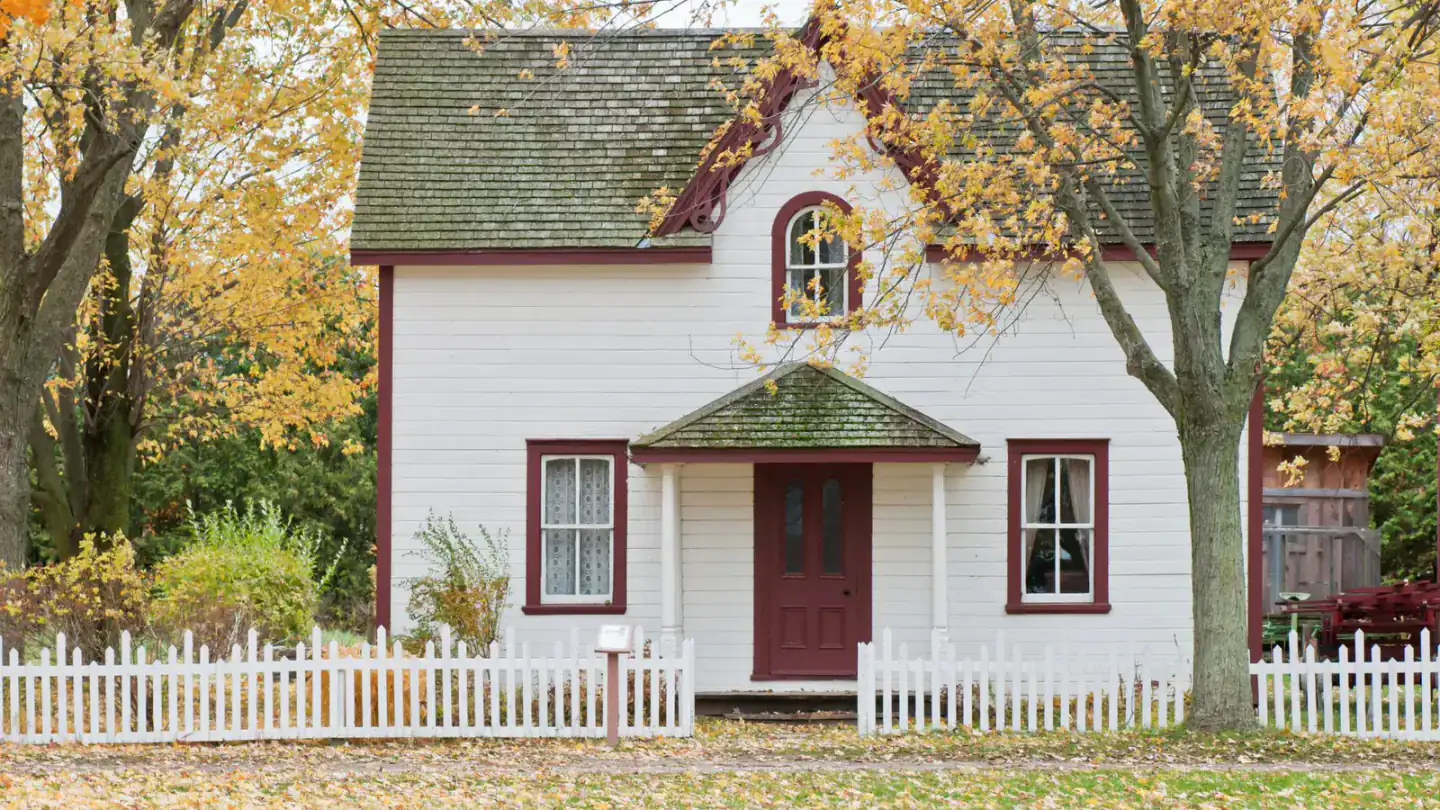
Monte Vista is a City of San Antonio historic district, but historic status alone does not tell you how furniture will move through a specific home. The useful plan begins with the actual finishes and route: floors, porch steps, doors, trim, railings, stair turns, and the legal truck position outside.
Direct answer: Walk the carrying path before a Monte Vista move. Photograph and measure the curb, steps, doors, hallways, stairs, and tight turns. Identify original or delicate finishes, choose suitable surface protection, measure large furniture, and decide on disassembly before the crew begins moving items.
Short answer: how do you protect a Monte Vista home during a move?
Start by documenting the route from the legal truck position to every destination room. Photograph floors, thresholds, trim, doors, built-ins, railings, porch steps, and narrow turns before items are moved. Measure large furniture and the smallest point on the path, then decide whether a piece fits, needs appropriate disassembly, or belongs in another room. Use protection selected for the actual surface, installed without creating a slip or trip hazard. Keep one clear carrying lane and prevent boxes from leaning against finished walls or blocking exits. Share the measurements and protection priorities before move day. Monte Vista's historic-district identity makes careful planning relevant, but it does not mean every home has the same age, layout, material, or restriction. Review the exact property rather than relying on the neighborhood label.
Record the property condition before moving begins
The City of San Antonio identifies Monte Vista as a historic district and publishes maps and historic-resource guidance. These sources establish local context. They do not prove that every surface in a specific home is historic or delicate.
Walk the route with the owner and photograph existing condition where appropriate. Focus on surfaces likely to be touched during carrying:
- porch and exterior steps;
- thresholds and door edges;
- finished floors and transitions;
- baseboards and trim;
- stair railings, newel posts, and landings;
- built-ins, light fixtures, and low ceilings;
- tight walls or corners near large-item turns.
Agree on the route and protection priorities before the crew starts. Keep the photographs private as job documentation unless the owner has provided separate written permission for publication.
Measure both the furniture and the route
A large item must fit through every restrictive point along the route, from the front door to the tightest interior turn. Measure the item at its usable height, width, and depth. Then measure doors, turns, landings, stair width, railing clearance, and ceiling height where the piece must rotate.
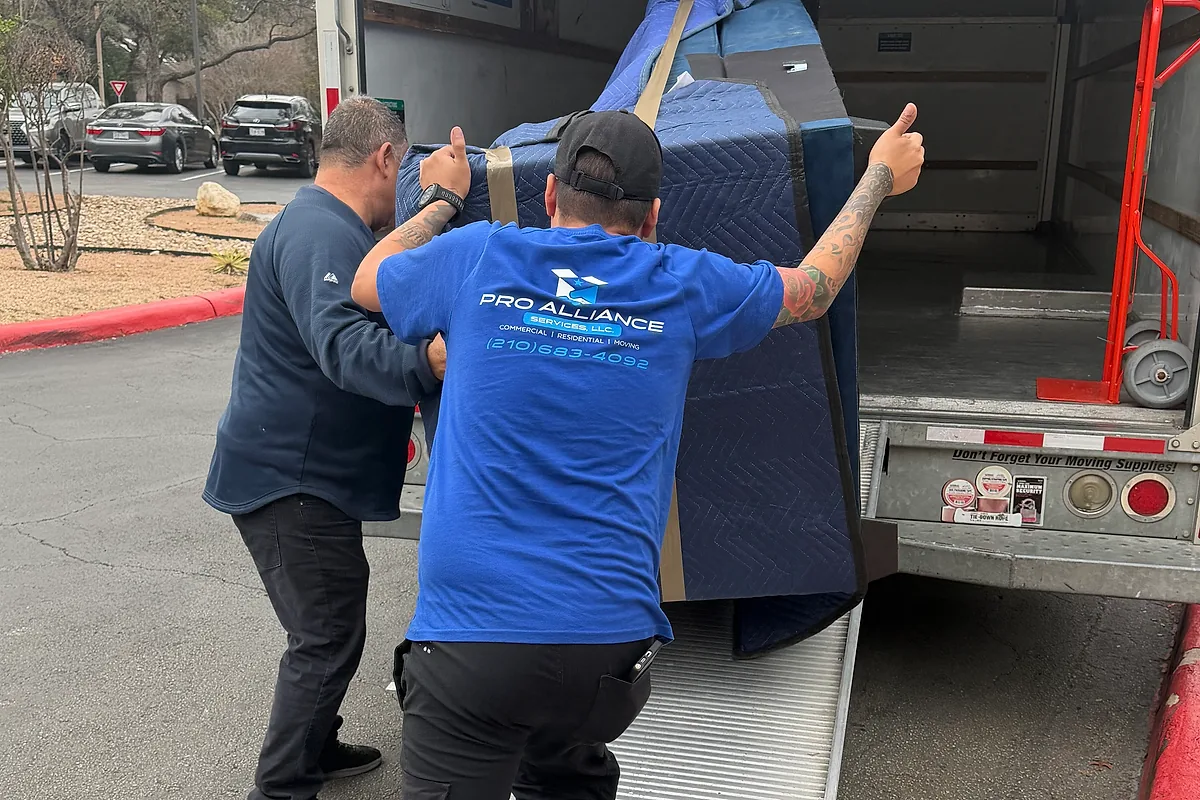
If the path is uncertain, share photos and measurements before move day. Do not force a piece through a tight opening and do not assume disassembly is appropriate. The owner and mover should decide on a suitable plan for the item.
The San Antonio moving access guide explains how to combine these measurements with truck and curb information.
Protect surfaces without creating new hazards
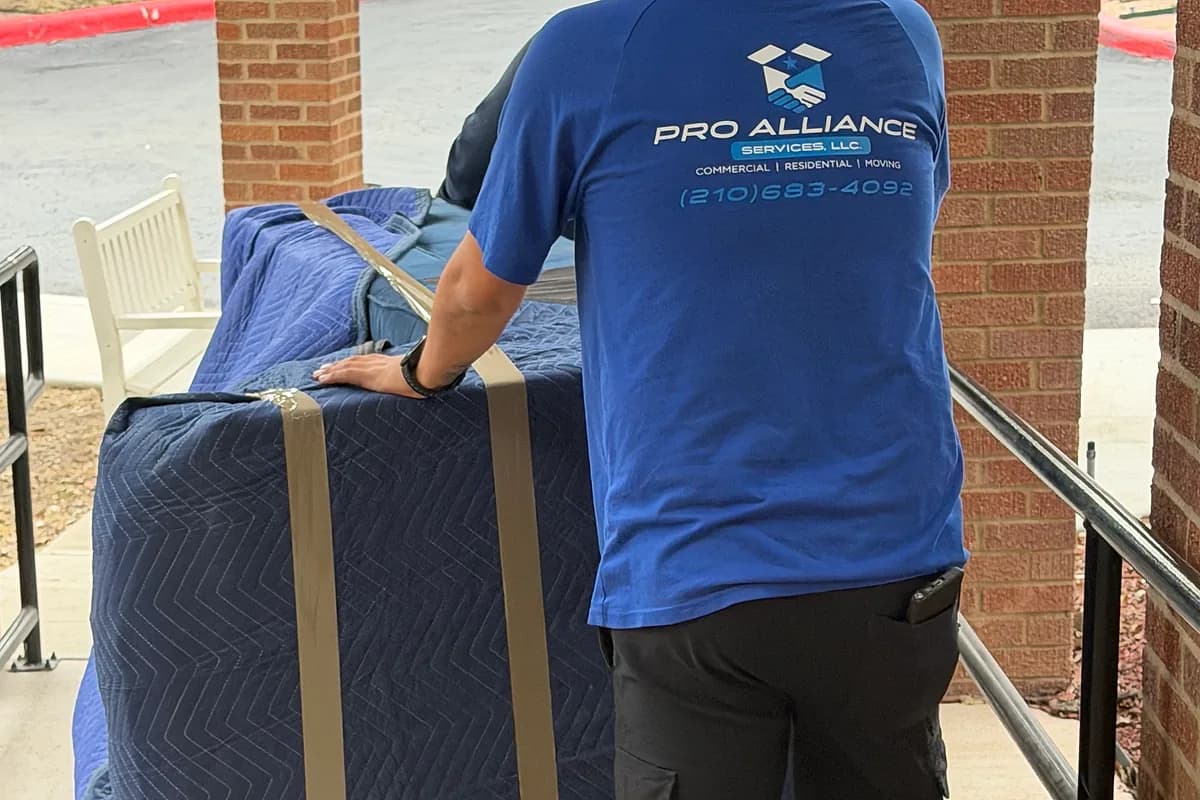
Protection should stay in place, suit the surface, and preserve a stable walking path. A covering that slides, curls, traps moisture, or blocks a step can create another problem. Ask what material will be used on wood, tile, carpet, stone, or other finishes and how edges will be secured.
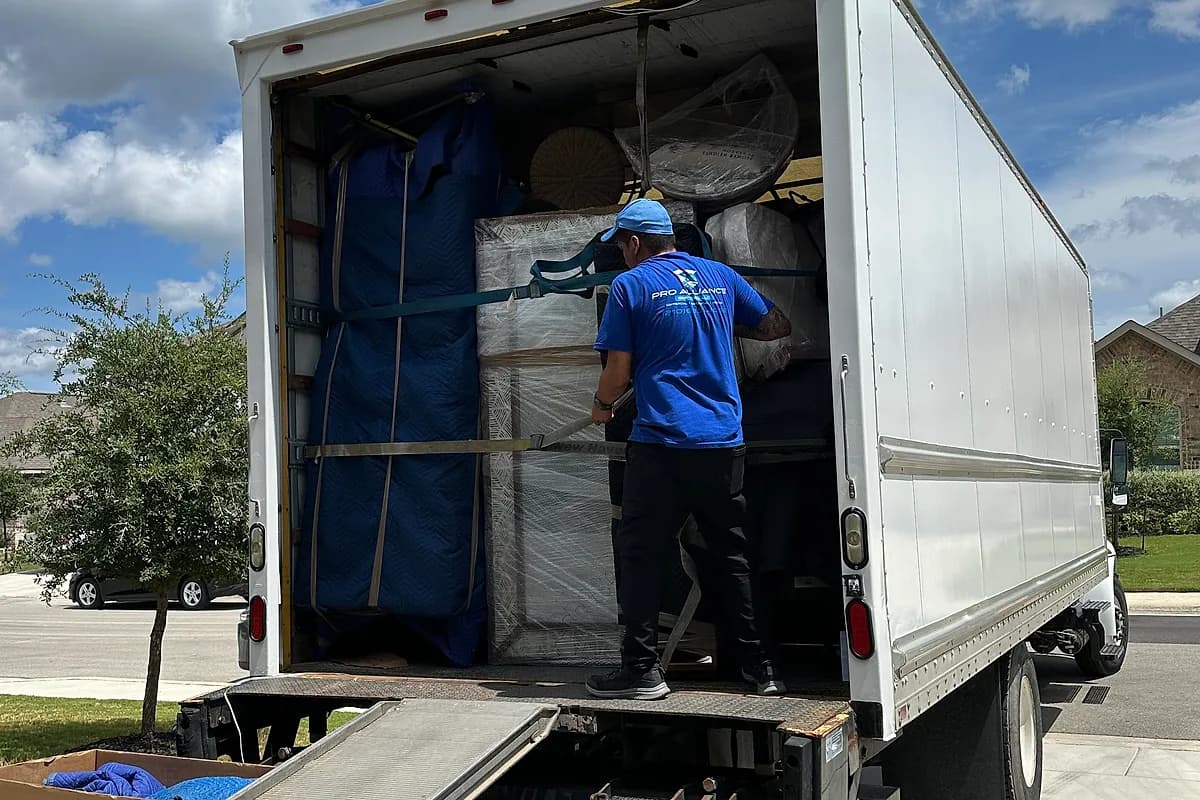
Keep doors, stairs, and hallways clear. Stage boxes in a defined area rather than along the carrying lane. Use corner, doorway, or railing protection where the actual path calls for it. Remove temporary protection carefully after the final placement review.
For help preparing household items, review packing services after the inventory and protection priorities are clear.
Create a movement decision for each large piece
For every large item, record four decisions before move day:
| Decision | What to document |
|---|---|
| Route | Entry, turns, stairs, landing, and destination room |
| Preparation | Packing, wrapping, removable parts, or appropriate disassembly |
| Protection | Item protection plus floor, doorway, wall, and railing needs |
| Placement | Final location, orientation, and assembly responsibility |
This method is more useful than a general note that an item is “heavy” or “fragile.” It connects the object to the home and gives the owner a chance to resolve uncertainty before movement begins.
If two entrances are possible, compare both complete routes. The wider door may have more exterior steps. The shorter outdoor route may create a tighter interior turn. Choose a route only after the truck position, property permission, surfaces, and measurements are reviewed together.
Photograph protection after it is installed
Before carrying starts, take a brief private record of the protected path. Confirm that coverings lie flat, door protection does not interfere with operation, stairs remain visible, and exits are clear. This is an operational check, not marketing content.
After the move, review the route with the owner before removing the last protection. Photographing a staged historic interior for the public article requires separate written permission and must never be presented as a customer job unless that statement is true.
Monte Vista moving protection checklist
- Photograph the curb-to-room route and existing finish condition.
- Identify floors, trim, doors, railings, built-ins, and fixtures along the path.
- Measure large items and every restrictive doorway, stair, landing, and turn.
- Decide on appropriate disassembly before move day.
- Select surface protection for the actual material.
- Keep one stable carrying lane and all exits clear.
- Label hardware and destination placement for disassembled items.
- Keep boxes and tools away from finished walls and original features.
- Review final placement before removing protection.
- Keep property photos private unless publication permission is documented.
Where Pro Alliance fits
With the addresses, date, inventory, measurements, access photos, and protection priorities in hand, Pro Alliance Services can review a Monte Vista residential moving request. Every move still needs its own availability and scope confirmation. Review residential moving support or request an estimate with the curb, entry, stair, and large-item details.
Frequently asked questions
Does historic-district status create a special moving permit?
Do not assume it does. Historic designation and moving access are separate questions. Confirm public-street requirements with the City and property-specific requirements with the owner or responsible authority.
What should be photographed before furniture is moved?
Photograph the carrying path and existing condition of floors, thresholds, trim, doors, railings, built-ins, porch steps, and tight turns. Keep job documentation private unless separate publication permission exists.
Should old wood floors always receive the same covering?
No. Protection should be selected for the actual material and condition and installed without causing a slip, trip, adhesion, or moisture problem. Confirm the method before work begins.
When should furniture be disassembled?
Decide after measuring the item and complete route. Disassemble only when appropriate for the piece, and label and secure every hardware group.
Can Pro Alliance review a Monte Vista move?
Send the addresses, date, inventory, access photos, measurements, and protection priorities. Pro Alliance must confirm availability and the specific plan.
Sources
Ready to plan the real move?
Send both addresses, your date, and what you are moving. The team reviews access at each end and comes back with a written estimate.
Prefer to talk it through? Call (210) 683-4092, Mon–Fri 8:00 AM–5:30 PM and Sat–Sun 8:00 AM–4:30 PM.
Keep planning