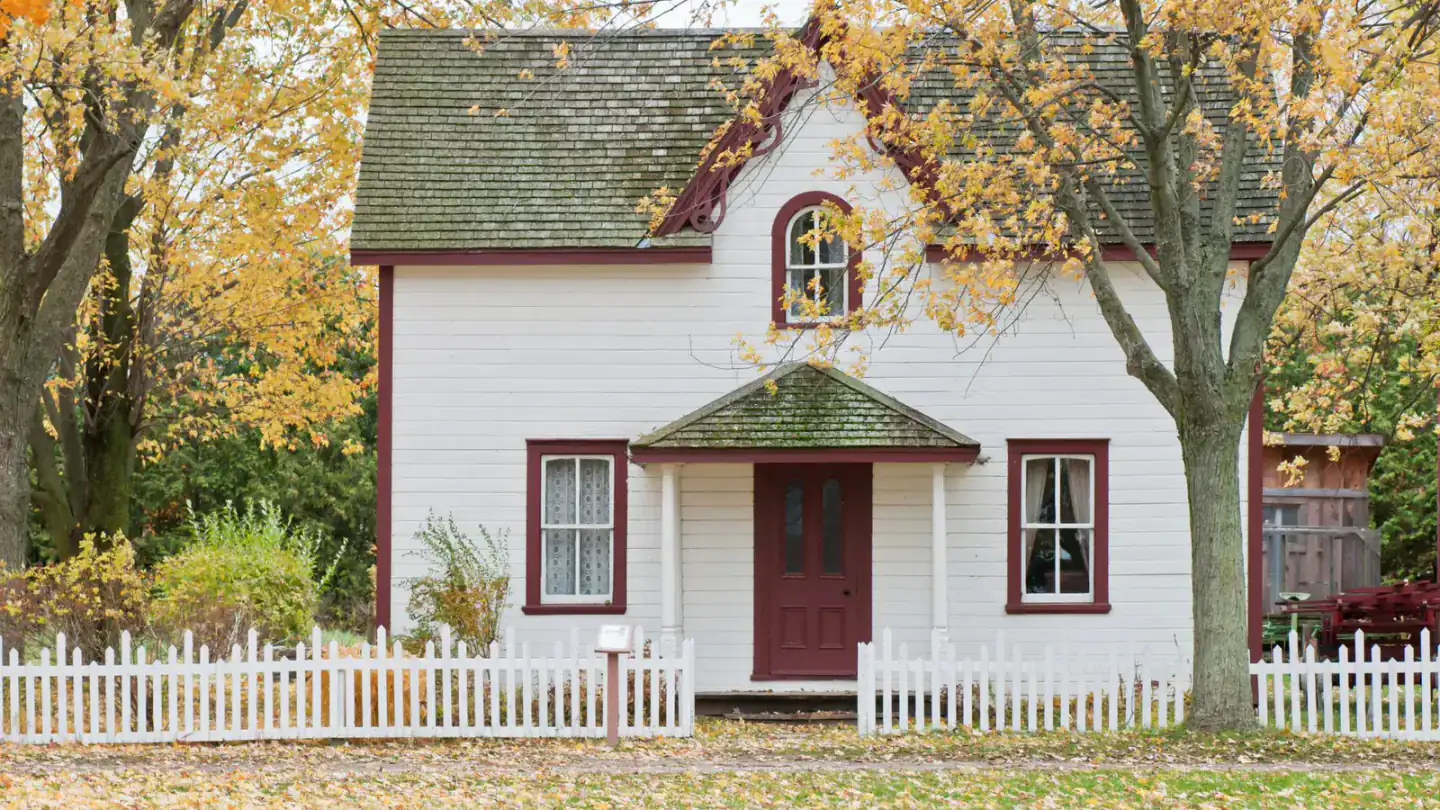
Alamo Heights is a separate city, even though San Antonio surrounds it. That jurisdiction detail matters when a move may affect a street, lane, sidewalk, or parking position. Inside the home, older doors, stairs, landings, trim, and finished surfaces should be measured and protected according to the actual property.
Direct answer: For an Alamo Heights move, confirm current street, lane, sidewalk, and parking requirements with the City of Alamo Heights. Then photograph the legal truck position and measure the complete route through the home. Do not apply City of San Antonio rules or another property's access assumptions to the address.
Short answer: what should be checked before an Alamo Heights move?
Begin with the exact jurisdiction and property. The City of Alamo Heights publishes applications and a street-lane-sidewalk closure process, so ask the city whether the planned truck position or use of public space requires action. Do not assume a standard San Antonio permit applies. Photograph the street, curb, driveway, hydrants, signs, school or pedestrian conflicts, and the path to the entry. Inside, measure doors, hallways, stairs, landings, and large furniture. Identify floors, trim, railings, and other finishes that need appropriate protection. Keep one stable carrying route and label the destination floor and room. Assign an owner contact for placement questions. Send the street and home access packet with the inventory before the move plan is finalized, then recheck temporary conditions close to the date.
Use the correct city process
The City of Alamo Heights provides online applications and identifies a street-lane-sidewalk closure permit process. Its neighborhood-services page also directs residents to city staff for street-use or closure questions. Those sources tell you whom to ask. Whether a given move needs a closure is a question for the city.
Before reserving or blocking any space, ask:
- Is the proposed position on public or private property?
- Would the vehicle affect a lane, sidewalk, signed parking area, or other right of way?
- Does the exact block have posted restrictions?
- Are there school, event, construction, or emergency-access concerns?
- Who must apply, and what current lead time or documents apply?
Follow the city's current answer. Cones, personal vehicles, or informal signs do not create legal control of public space.
Connect the curb plan to the older-home route
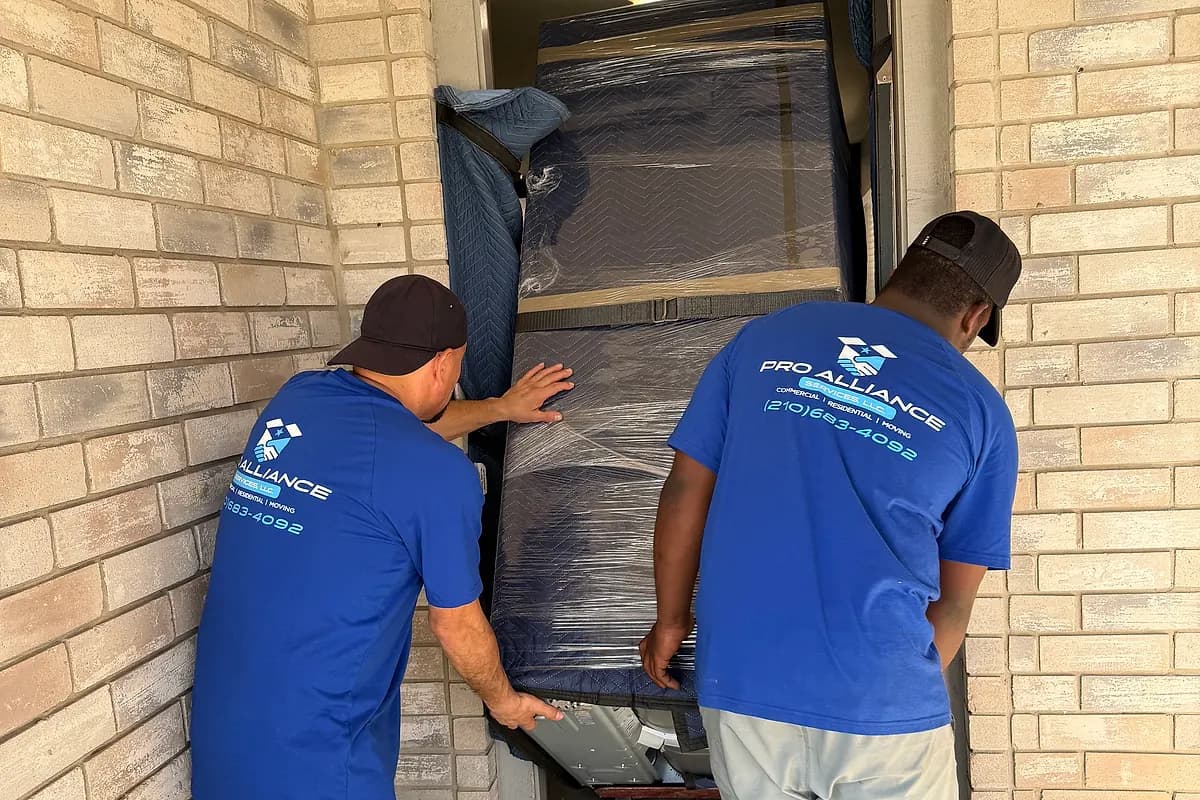
A legal truck position can still leave a long or complex carrying path. Measure the route from the vehicle to the main item staging area. Include porch steps, gates, side paths, doors, thresholds, stairs, and landings.

Photograph and measure large pieces against the tightest point. Decide whether an item fits, needs appropriate disassembly, or should have a different destination. Label hardware and keep it with the item record.
Use the Monte Vista historic-home protection guide for a deeper surface and measurement framework, and the San Antonio moving access guide for the complete pickup and delivery packet.
Keep the moving path safe and readable
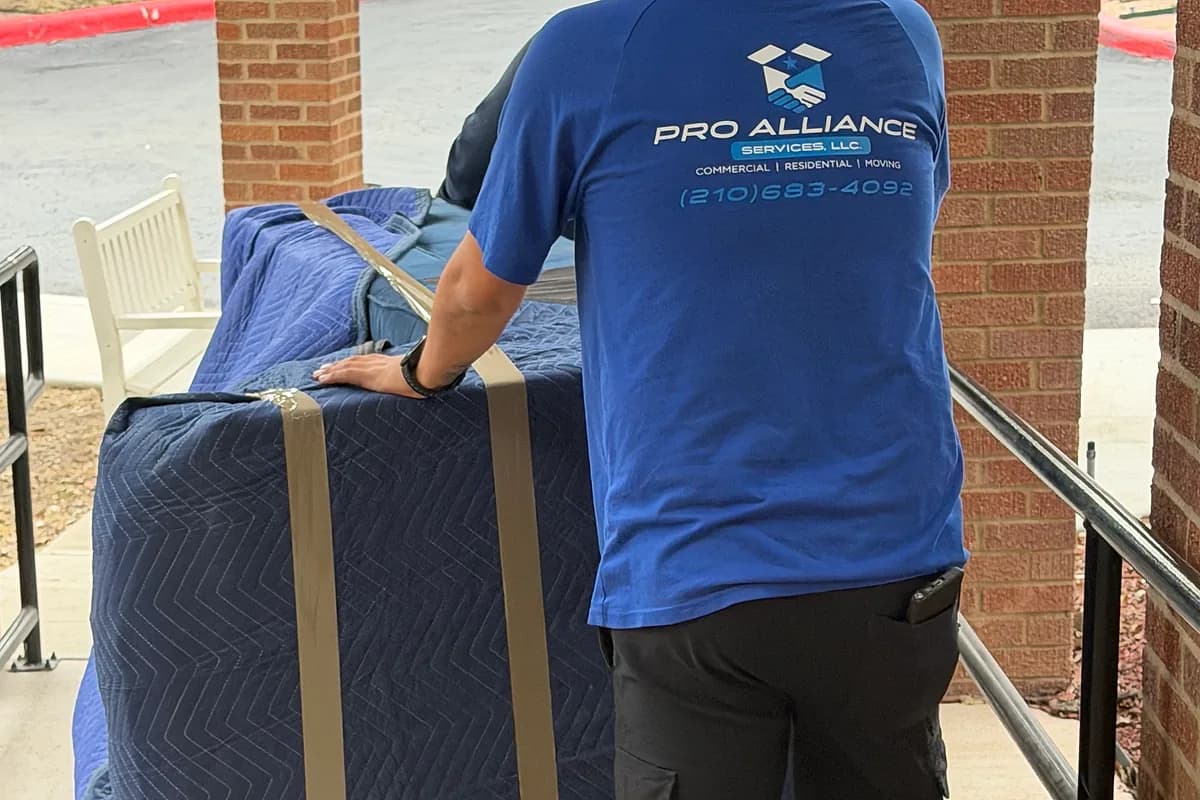
Select protection for the actual floor and finish. Secure it without creating raised edges or unstable footing. Keep stairs, exits, and doorways clear. Place boxes in a defined staging area and label them by destination floor and room.
If children, pets, residents, contractors, or cleaners will be present, assign separate areas and communication. The carrying route should not cross an uncontrolled activity zone.
Choose the arrival plan from the block conditions
An arrival window has to suit the actual block, whatever time the customer prefers. Check posted signs, school activity, recurring services, construction, and any city instruction that affects the proposed position. Look for conflicts at the exact address instead of trying to invent a universal “best time” for Alamo Heights.
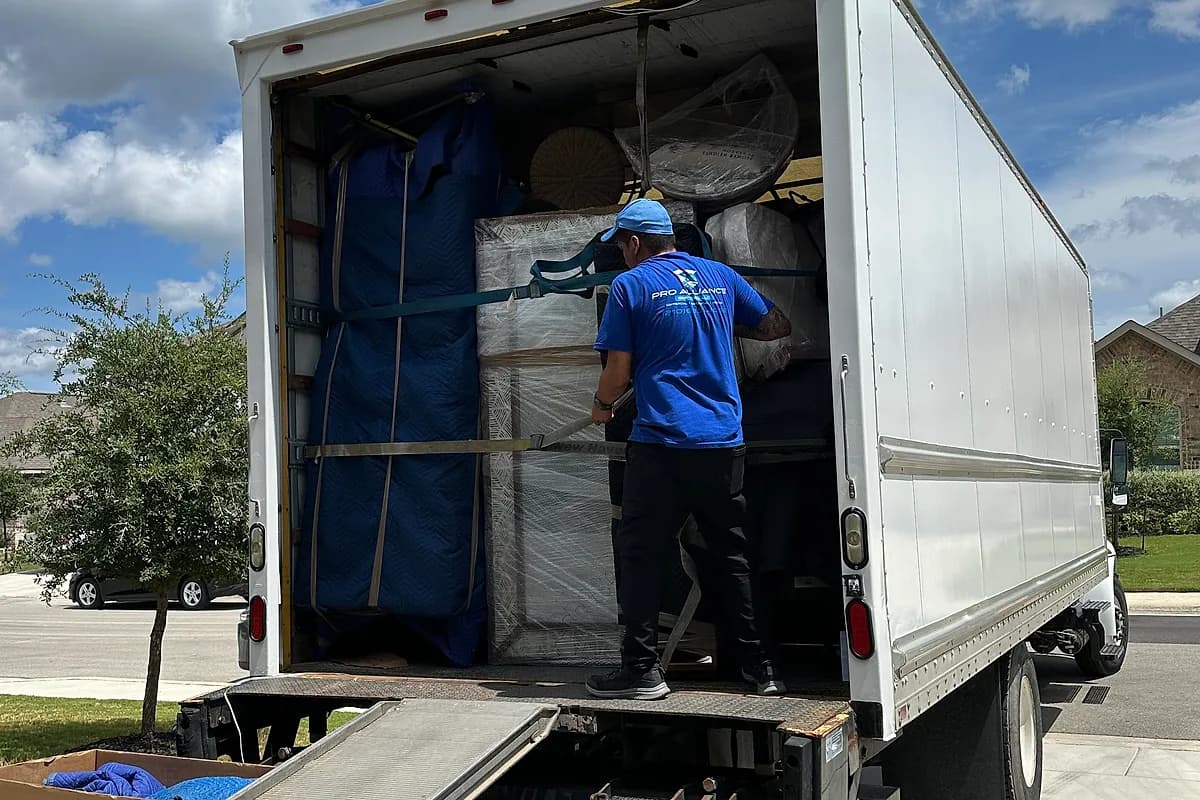
Drive or walk the final approach at a comparable time when practical. Note whether parked vehicles, turning restrictions, or limited sight distance change the planned direction of arrival. Share the preferred approach with the moving contact, but recheck it near the date.
If the vehicle cannot use the original position, stop and revise the plan. An unapproved alternate can block a driveway, sidewalk, emergency route, or travel lane even when it looks convenient.
Separate home protection from city permission
City permission answers whether and how public space may be used. It does not decide how an older home's floors, doors, trim, or stairs should be protected. The owner and mover still need a property-specific protection plan.
Keep the two approvals in separate records:
- street record: city contact, application or instruction, approved space, date, and conditions;
- property record: entry route, measurements, surfaces, protection, item decisions, and final placement.
Combining the records in one access packet helps the team follow both without confusing their purposes.
Alamo Heights moving checklist
- Confirm that the address is within Alamo Heights jurisdiction.
- Ask the City about current street, lane, sidewalk, and parking requirements.
- Photograph signs, curb conditions, hydrants, driveways, and the proposed truck position.
- Measure the carry from the legal position to the home.
- Measure large furniture, doors, stairs, landings, and tight turns.
- Identify surfaces and architectural details that need protection.
- Keep the carrying lane, exits, and stairs clear.
- Label boxes and furniture by destination floor and room.
- Send the city and property access details with the inventory.
- Recheck temporary restrictions and property access before move day.
Where Pro Alliance fits
Pro Alliance Services can take up an Alamo Heights moving request after both addresses, the date, the inventory, the requested services, and the confirmed street and property access details arrive. Whether the company is available for the date, and at what scope, is confirmed for the individual move. Review Alamo Heights moving services or request an estimate with the truck, stair, measurement, and placement information.
Frequently asked questions
Is Alamo Heights covered by City of San Antonio parking rules?
Alamo Heights is a separate city. Confirm the process with the City of Alamo Heights for the exact address and proposed use of public space. Do not assume a City of San Antonio process applies.
Does every Alamo Heights move need a street closure permit?
No blanket answer should be used. The need depends on the proposed vehicle position and effect on public space. Ask the City about the exact block, date, and move plan.
What should I measure in an older home?
Measure doors, thresholds, hallway turns, stair width, landings, railing clearance, ceiling height where an item must turn, and the large item itself.
What if the legal truck position creates a long carry?
Photograph and measure the route, including surface and steps, and share it before the plan is finalized. Do not move the truck into a prohibited space to shorten the carry.
Can Pro Alliance review an Alamo Heights move?
Provide the addresses, date, inventory, city or property instructions, truck position, stairs, measurements, and requested services. Pro Alliance must confirm availability for the specific job.
Sources
Ready to plan the real move?
Send both addresses, your date, and what you are moving. The team reviews access at each end and comes back with a written estimate.
Prefer to talk it through? Call (210) 683-4092, Mon–Fri 8:00 AM–5:30 PM and Sat–Sun 8:00 AM–4:30 PM.
Keep planning