FF&E stands for furniture, fixtures, and equipment. In a hotel it means the beds, casegoods, desks, lounge seating, lamps, and art in every room. In an office it means workstations, conference furniture, and the pieces that make a floor usable. In a store it means the display furniture that goes in after the contractor finishes. The common thread is that none of it arrives as one delivery, and all of it has to end up in a precise place on a drawing.
That is what separates FF&E installation from a move. A move takes an existing set of furniture from one address to another. An FF&E project brings new items from several vendors to one site, often on different days, and places them to a designer's plan while the building is still being finished around them. Our furniture assembly guide covers reassembling a household or office after a move. This guide covers the commercial fit-out side.
Direct answer: FF&E installation in San Antonio runs in five stages. The installer receives deliveries from each vendor, checks them against the purchase orders, and stages them in storage or on site. Then each item is assembled and placed to the designer's drawings, and the job closes with a punch list and debris removal. The installer needs the drawings, the item schedule, the delivery dates, and the building's rules for the dock and elevator before any freight arrives.
Short answer: what does an FF&E installer actually do?
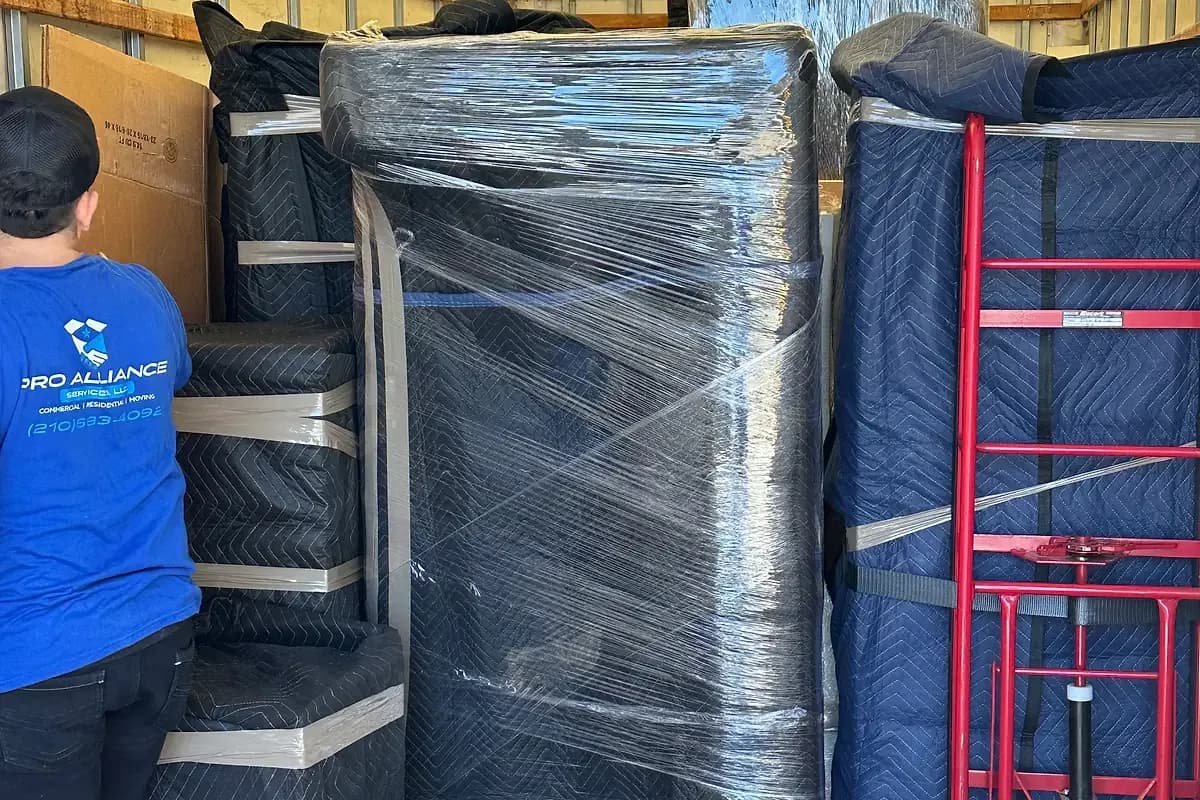
An FF&E installer takes responsibility for the furniture from the moment it reaches the loading dock until it is standing in its place on the plan. That includes receiving freight from each manufacturer, counting it, and noting visible damage. It covers holding items in storage if the space is not ready, moving them to the right floor and room, and assembling them. Then each piece is placed to the designer's layout, anchored where needed, and the cartons and packing material are hauled away. The work ends with a walkthrough, where the designer or owner lists anything missing, damaged, or out of place. That list becomes the punch list, and the job is not finished until each item on it is closed.
Receiving and checking the freight
Most FF&E problems start at the dock. A hotel room package can come from four or five manufacturers, each shipping on its own schedule, and the general contractor rarely wants cartons sitting in a finished corridor. Someone has to meet each truck, count what came off it against the purchase order, and note any damage on the delivery receipt before the driver leaves.
Send your installer the item schedule early: every product, its quantity, and the room or area it belongs in. The schedule is what turns a pile of cartons into a checklist. When a delivery arrives short, or a carton is crushed, the installer can flag it the same day rather than discovering it when the last room is being set.
Staging when the space is not ready
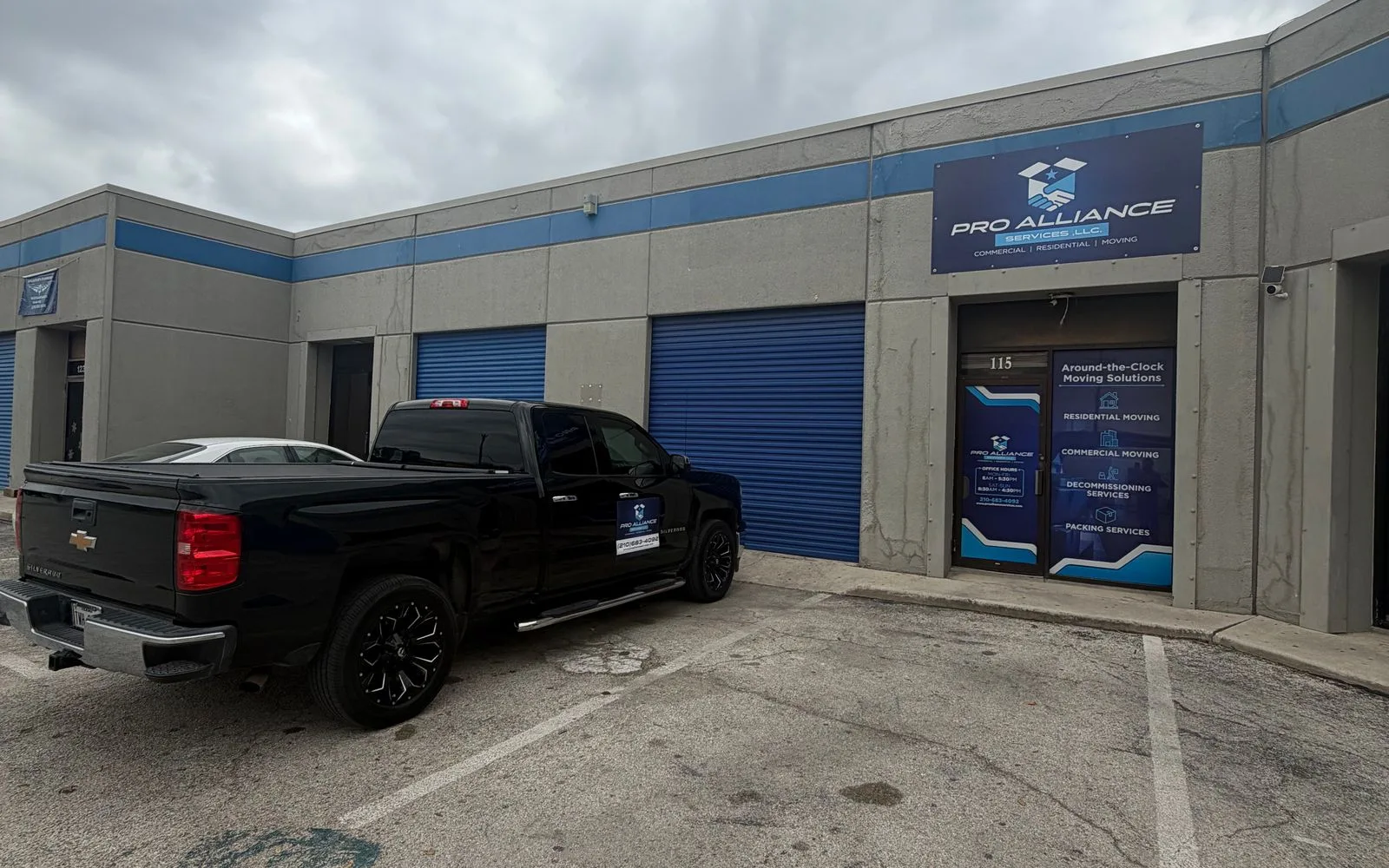
Construction schedules slip, and furniture deliveries often do not. When product arrives before the rooms can take it, it needs a place to wait. Pro Alliance offers storage for furniture before installation, tracked against a detailed inventory, so the items can be released to the site in the order the rooms become ready.
On a larger project, staging is also about sequence. Setting a hotel one floor at a time, or an office one department at a time, means the right items have to arrive on the right floor on the right day. That sequence is worth agreeing with the contractor and designer before the first delivery date.
Working inside an active building
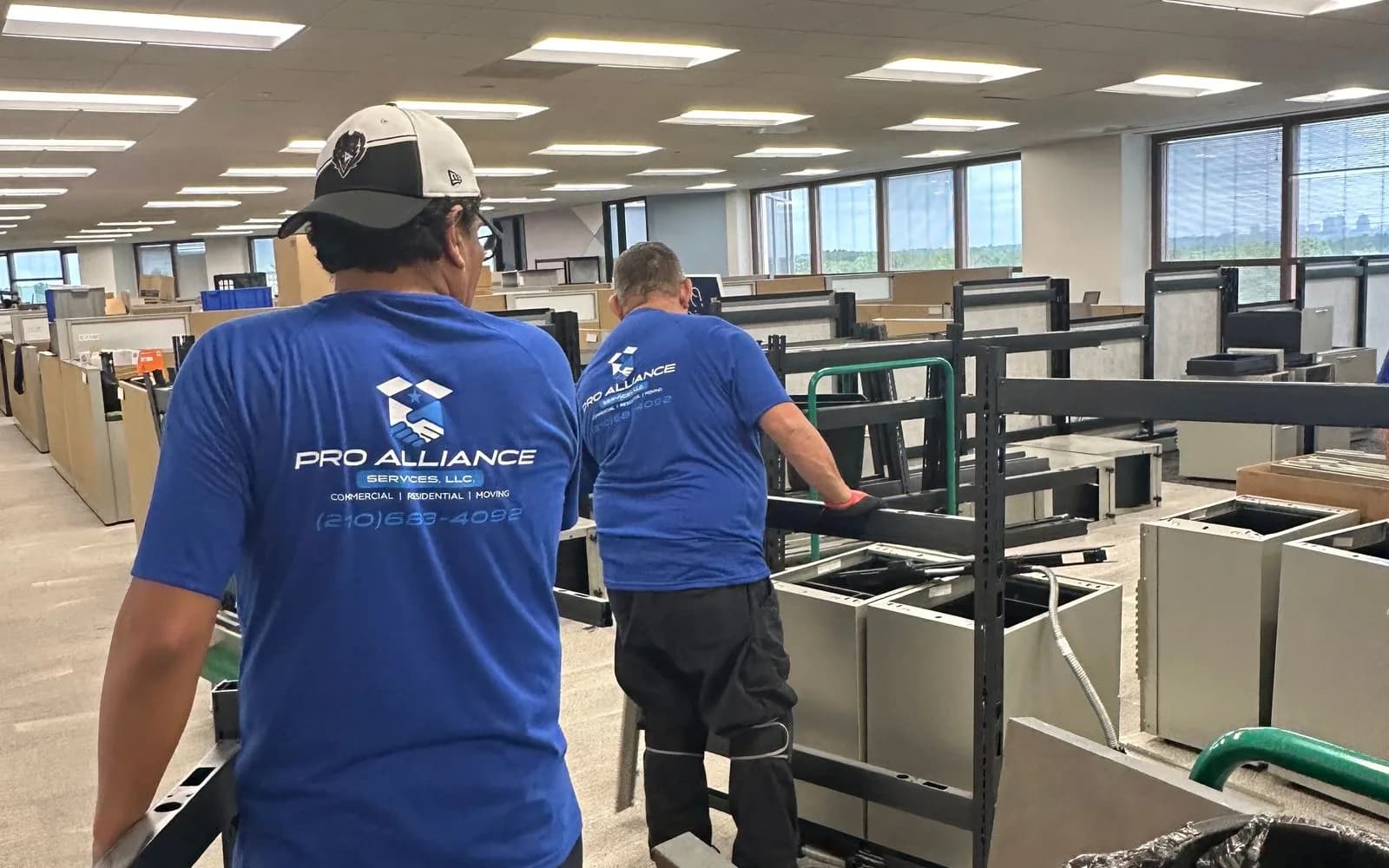
An FF&E installation usually happens in a building that is either still under construction or already occupied. Both bring rules. A construction site has its own schedule for the freight elevator and the dock, and other trades are competing for the same hours. An occupied hotel or office has guests or staff moving through the same corridors, and the manager will want the work contained.
Elevators in Texas buildings, and the people who inspect and service them, are regulated by the Texas Department of Licensing and Regulation. The day-to-day rules, though, come from the building: when the freight car can be reserved, whether it needs pads, and whether an attendant runs it. Ask for those answers in writing, along with any certificate of insurance the property requires from vendors, and pass them to your installer. Our commercial moving team plans deliveries around the same kind of building windows.
Placing to the drawings, and what to flag
Placement is the part that looks simple. Every item goes where the drawing shows it, facing the way the drawing shows it. In practice the installer is the first person to see the finished room with real furniture in it. That is when conflicts appear: a desk that blocks an outlet, a lounge chair that crowds a doorway, or a credenza that does not fit its wall.
Conflicts should go back to the designer, not be solved on the spot. Some of them matter beyond appearance. The 2010 ADA Standards treat clear floor paths through lobbies, corridors, and rooms as part of an accessible route, so a piece of furniture that narrows one of those paths is a design question, not an installer's call.
Anchoring is the other judgment point. Tall casegoods, dressers, and televisions in guest rooms are exactly the items the U.S. Consumer Product Safety Commission's Anchor It campaign is about. Confirm in the scope which pieces get anchored and what the wall construction is, because the hardware depends on it.
A checklist for the owner or designer
Hand this to whoever is coordinating the project before the first delivery:
- Send the installer the drawings and the item schedule with quantities and room assignments.
- List every vendor and the expected delivery date for each shipment.
- Confirm the dock hours, freight elevator reservations, and protection rules with the building.
- Get the building's certificate of insurance requirements to the installer in writing.
- Decide whether early deliveries will be stored off site or held in a room on site.
- Mark which pieces must be anchored and describe the wall construction.
- Agree on where cartons, pallets, and packing material will go at the end of each day.
- Name one person who can answer placement questions while the crew is on site.
Where Pro Alliance fits
Send the drawings or a floor plan, the item schedule, the delivery dates you know, and the building's vendor requirements. The team will review the project and return a written scope for furniture and FF&E installation, including any storage before installation. Use the free estimate form and mention whether the site is under construction or occupied.
Frequently asked questions
What does FF&E stand for?
FF&E stands for furniture, fixtures, and equipment. It covers the movable items that furnish a hotel, office, store, or similar space, as opposed to the parts of the building the contractor installs, such as walls, flooring, and built-in cabinetry.
Can you store FF&E before the space is ready?
Yes. Pro Alliance offers storage for furniture before installation and tracks items against an inventory, so product can be released to the site as each area becomes ready. Mention the expected delivery and installation dates when you request a scope.
Who handles damaged items that arrive from the manufacturer?
The damage should be noted on the delivery receipt when the freight is received, and the claim goes back to the vendor or manufacturer. The installer's role is to count, inspect, and report it promptly so replacements can be ordered.
Do FF&E installers remove the packaging?
On most projects, yes. Cartons, pallets, and packing material are a large part of every FF&E delivery. Agree in the scope where that material goes, and whether it is removed daily or at the end of the project.
Is FF&E installation only for hotels?
No. The term started in hospitality, but the same process applies to offices, retail stores, clinics, and schools. Any project where new furniture from several vendors has to be received, staged, and placed to a plan works the same way.
Sources
Ready to plan the real move?
Send both addresses, your date, and what you are moving. The team reviews access at each end and comes back with a written estimate.
Prefer to talk it through? Call (210) 683-4092, Mon–Fri 8:00 AM–5:30 PM and Sat–Sun 8:00 AM–4:30 PM.
Keep planning