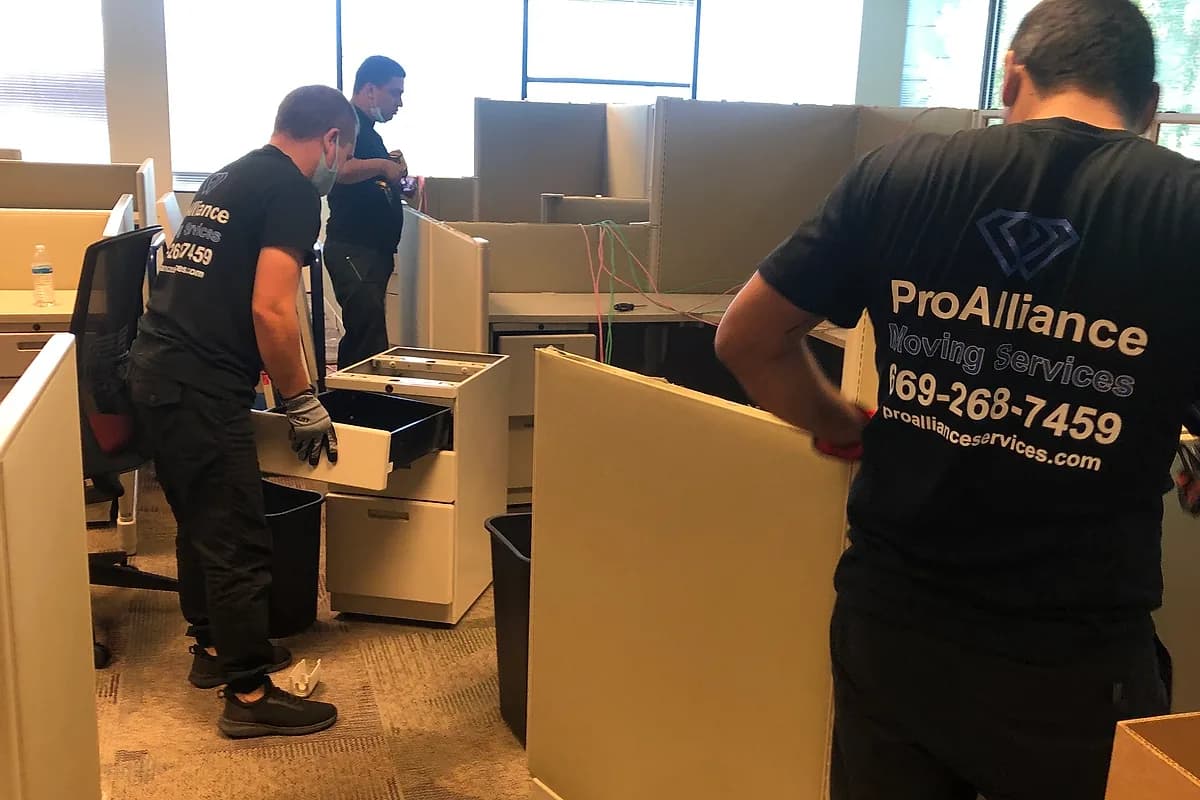
A successful office move depends on clear planning and smart decisions from the start. Therefore, you must understand what to consider when moving office locations before taking action. Businesses relocate for many reasons. For example, you may need more space, lower costs, or better access to clients. In Converse, companies benefit from growing infrastructure and convenient transport links. As a result, the area supports both expansion and efficiency. However, without a solid plan, disruptions can affect daily operations. For instance, delays in IT setup can pause work for days. That is why many companies rely on experienced movers in San Antonio area for support. In the following sections, you will learn practical steps, key factors, and proven strategies for a smooth transition.
What to consider when moving office locations for business growth?
Moving your office for growth requires clear planning and smart decisions. First, define what to consider when moving to a new office so your move supports long-term success. Start by aligning the relocation with your business goals. For example, if you plan to expand services, choose a space that supports that vision. Next, evaluate market opportunities in the new area. A growing business district can bring more clients and partnerships. In addition, consider accessibility. Your office should be easy to reach for employees, clients, and suppliers.

Equally important, assess the local workforce. A skilled talent pool helps you grow faster and hire better. Also, think about scalability. Your new office should allow room for future teams and equipment. For instance, flexible layouts can adapt as your company grows. Moreover, your location affects brand image. A modern office in a prime area can improve credibility and attract clients. Therefore, choose a location that reflects your business values and goals. Finally, review all costs and expected returns. Moving expenses, rent, and upgrades should match your growth plans. However, do not focus only on price. Instead, consider the long-term return on investment. A better location can increase revenue over time. For example, many businesses work with movers Converse TX, to ensure an efficient transition. As a result, they reduce downtime and protect productivity during the move.
What to consider when moving office locations without disrupting operations?
Smooth office relocation depends on planning, timing, and clear communication. First, understand what to consider when moving office locations to avoid delays and lost productivity. A relocation timeline is a step-by-step schedule that tracks tasks and deadlines. Therefore, create a detailed plan that covers packing, transport, and setup. In addition, choose between a phased move or a full relocation. A phased move shifts departments in stages, while a full move happens at once. For example, you can move non-critical teams first to reduce pressure.
Planning for minimal disruption
Next, focus on business continuity. This means keeping essential operations running during the move. For instance, customer support and sales teams should stay active at all times. Therefore, schedule their move during off-peak hours. Moreover, prepare backup systems. Cloud storage and remote access tools can prevent data loss. Also, set up contingency plans in case of delays or technical issues. As a result, your business stays functional even if problems occur.

Finally, coordinate with vendors and service providers early. This includes IT teams, internet providers, and movers. For example, many companies use moving help San Antonio TX to manage logistics efficiently. In addition, communicate clearly with clients and stakeholders. Inform them about your moving schedule and any expected changes. This builds trust and avoids confusion. Consequently, your business can relocate without harming daily operations or client relationships.
How to choose the right office space in Converse?
Choosing the right office space in Converse depends on location, flexibility, and long-term value. First, focus on accessibility. Your office should be easy to reach by car and public transport. For example, locations near major roads help both staff and clients. In addition, check transportation options and commute times. This improves employee satisfaction and punctuality. Also, review nearby amenities. Restaurants, banks, and cafes make daily work more convenient for your team. Next, evaluate the office size and layout. The layout means how space is arranged for work areas, meeting rooms, and storage. Therefore, choose a flexible design that can adapt to your needs. Moreover, review lease terms carefully. Look for clear conditions, renewal options, and hidden costs. A longer lease may offer stability, while a shorter one allows flexibility. Also, ensure enough parking is available. Limited parking can create daily problems for staff and visitors. Finally, consider safety and future growth. A safe neighborhood protects your team and assets. In addition, research local crime rates and building security. Think about expansion as well. Your business may grow faster than expected. Therefore, choose a space that can scale with your needs. Key factors to check include:
- Flexible floor plans
- Extra office or storage space
- Expansion options in the same building
For example, many businesses work with corporate relocation movers San Antonio TX, to plan moves into scalable spaces efficiently.
What budget factors should you plan for during an office move?
Budget planning is critical for a smooth office move. You need a clear view of costs before making decisions. Start with what to consider when moving office locations so you avoid surprises later. First, calculate the moving company and logistics costs. This includes transport, labor, and packing materials. For example, using packing services San Antonio can save time but adds to your budget. In addition, plan for lease deposits and upfront rent. These costs are often higher than expected and require early payment. Next, consider renovation and setup expenses. This includes furniture, branding, and workspace design. The term “interior setup” means preparing the office for daily use. Therefore, include costs for painting, lighting, and layout changes. Moreover, budget for IT infrastructure. New offices may need upgraded internet, servers, or equipment. As a result, your business can operate without delays. Also, review insurance coverage during the move. This protects your assets from damage or loss.

Finally, prepare for hidden and unexpected costs. These may include delays, repairs, or extra labor fees. Therefore, set aside a contingency fund. In addition, think about temporary workspace expenses. For example, you may need short-term office rentals. The complete business move checklist for a successful relocation in San Antonio can help you track these details. Consequently, careful budgeting reduces risk and keeps your move on schedule.
What legal and compliance requirements should you consider?
Legal and compliance planning protects your business during a move. You must review all rules before signing or relocating. First, check lease agreements and contracts. A lease is a legal document that defines rent, duration, and responsibilities. Therefore, review terms for hidden fees or restrictions. In addition, confirm zoning laws and permits. Zoning laws control how a property can be used. For example, some areas may not allow certain business activities. Next, focus on health and safety regulations. These rules ensure a safe working environment for employees. Therefore, check fire exits, ventilation, and building codes. Moreover, review data protection and privacy compliance. This includes how you store and transfer sensitive information. For instance, secure servers and encrypted systems reduce risks. Also, confirm insurance requirements. Proper coverage protects your equipment and limits liability during and after the move.

Finally, consider employee labor laws and licensing updates. Labor laws cover working conditions, rights, and benefits. Therefore, ensure your new office meets all requirements. In addition, update business licenses for the new location. Missing updates can lead to fines or delays. For example, many companies coordinate with office furniture installation companies San Antonio TX, to meet safety and layout standards. As a result, you stay compliant while setting up a functional workspace.
How to prepare your employees for the office relocation?
Preparing your employees early is key to a smooth office relocation. Clear communication reduces stress and keeps productivity stable. First, share plans as soon as possible. Transparency means giving honest and timely updates about the move. Therefore, explain reasons, benefits, and expected changes. In addition, provide a clear timeline. This helps employees plan their work and personal schedules. For example, set dates for packing, moving, and reopening. Next, involve employees in the process. Ask for feedback on layout, workspace needs, and concerns. As a result, they feel valued and more engaged. Moreover, offer support where needed. This may include flexible hours or commuting advice. Also, provide training for new systems or office layouts. For instance, new meeting tools or desk setups may require guidance. Knowing how to declutter your workspace before relocating to San Antonio can also help employees prepare efficiently.

Finally, focus on morale and productivity. Change can create uncertainty, so address concerns quickly. In addition, keep communication open through meetings or updates. For example, assign team leaders to support smaller groups. Also, coordinate with the office decommissioning services San Antonio TX, to handle old equipment properly. This reduces the workload for employees. Consequently, your team stays focused, motivated, and ready to adapt to the new office environment.
What technology and infrastructure should be prioritized?
Moving an office in Converse requires careful planning and smart technology choices. First, decide what to consider when moving office locations by mapping out current systems and future needs. Start with reliable internet and network setup. Test bandwidth and connectivity at the new location to avoid downtime. Next, plan data migration and backup systems. Use cloud storage, external drives, or network-attached storage (NAS) to move files in phases, minimizing the risk of data loss. Also, consider how to protect office documents during a move by securing sensitive files and using versioned backups for recovery if needed. Cybersecurity should be a top priority. Install updated firewalls, endpoint security, and multi-factor authentication to safeguard your systems. Train staff on phishing and digital threats both before and after the move. Alongside this, plan hardware installation and upgrades early. Order new computers, servers, and printers in advance. Label cables and equipment, and check power and layout requirements to ensure a smooth setup. Proper preparation reduces frustration and prevents last-minute technical issues.

Finally, focus on communication and support. Set up phones and conferencing tools like VoIP systems, Zoom, or Microsoft Teams to maintain seamless collaboration. Arrange IT support during and after the move to resolve issues quickly. Importantly, dedicate time to testing systems before full operation. Verify that networks, printers, and software function correctly before staff fully settle in. This approach ensures your new office is fully operational, secure, and efficient from day one.
How to execute a smooth moving day and transition?
A smooth moving day and transition depend on clear roles, careful checks, and real‑time coordination. First, assigning roles and responsibilities helps everyone know what to do. For example, designate an IT lead, a facilities lead, and team members for packing and unpacking. Then use a final pre‑move checklist to confirm all tasks are finished before doors open in the new space.
Key steps for moving day success
Start by labeling and organizing equipment clearly. Use tags for desks, computers, phones, and boxes. This saves time when setting up later. In addition, coordinating with movers and IT teams ensures that large items and technical hardware are handled safely. Share floor plans with all parties to prevent confusion. During the move, monitoring the moving process in real time helps spot problems early. Assign someone to track progress and report issues immediately. After key items arrive, prioritize the immediate setup of essential departments such as reception, communications, and IT infrastructure. This way, phones and the internet are active by the first business hour. Also, prepare for post‑move evaluation and troubleshooting by holding a short review at day’s end. Document issues like missing cables or login problems and assign fixes for the next day. For secure data transfer best practices, see guidelines from the National Institute of Standards and Technology (NIST).
Ensuring a successful office relocation
A successful office relocation relies on careful planning and smart execution. Start by reviewing what to consider when moving office, including technology, layout, and team needs. Balancing cost, efficiency, and growth ensures the move supports both current operations and future expansion. Learn from the relocation experience by noting what worked well and what caused delays. Additionally, set up your new space for long-term success by optimizing workflows, IT systems, and communication channels. Continuous improvement after the move is key; regularly assess processes and make adjustments. For example, rearranging desks for better collaboration or upgrading network speeds can boost productivity. Take these lessons seriously, and your new office can become a space that truly supports your team’s goals. Consider creating a follow-up plan to track these improvements over time.
Ready to plan the real move?
Send both addresses, your date, and what you are moving. The team reviews access at each end and comes back with a written estimate.
Prefer to talk it through? Call (210) 683-4092, Mon–Fri 8:00 AM–5:30 PM and Sat–Sun 8:00 AM–4:30 PM.
Keep planning