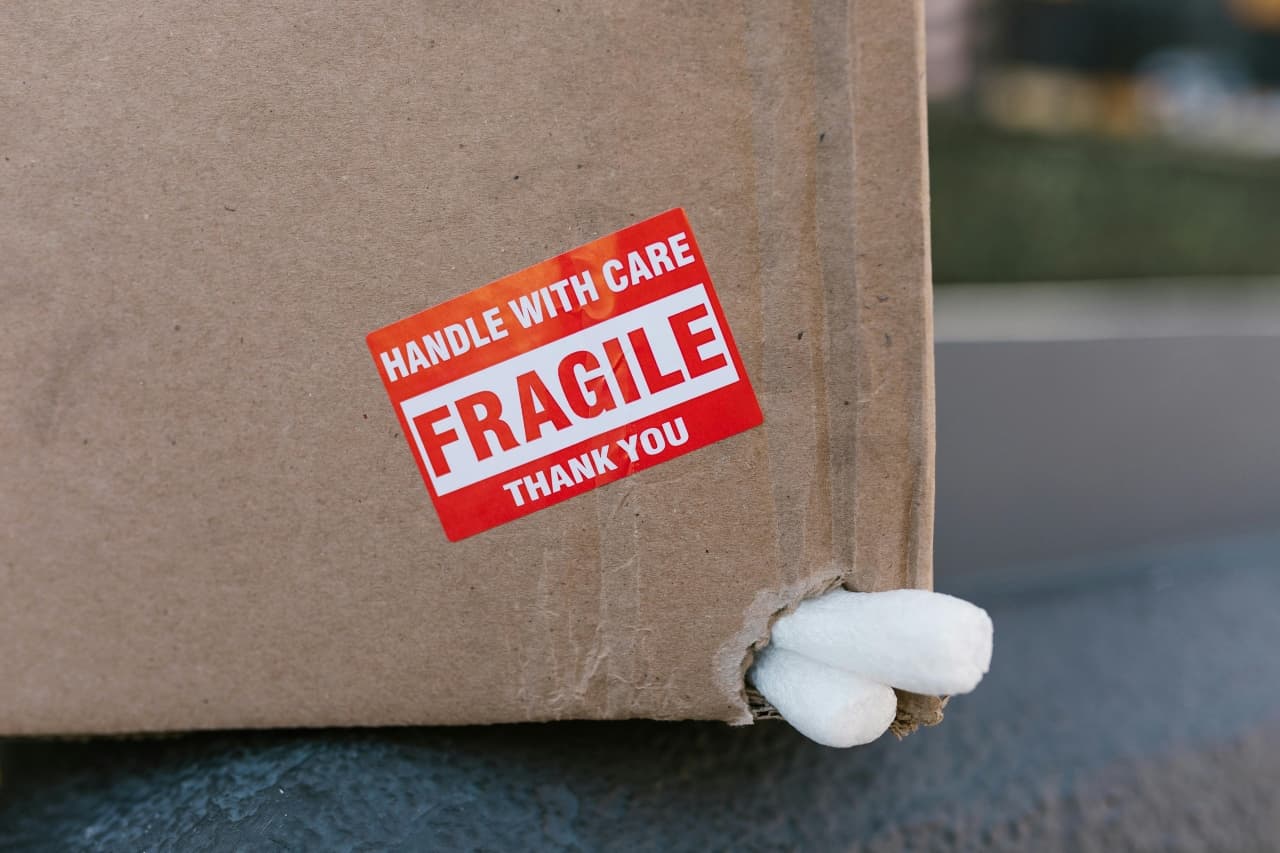
Choosing the right packaging materials is essential to protect products, save costs, and support sustainability. Using proper materials ensures that items shipped, stored, or displayed remain intact and safe. For instance, fragile electronics or glassware require cushioning, while food packaging needs moisture-resistant barriers. Conversely, using inadequate materials can cause damage, contamination, or environmental harm, such as excessive plastic waste. Understanding what are the types of packaging materials helps you select the most suitable option for each purpose. This guide explores common materials, their benefits, and ideal applications. By following expert advice, businesses and individuals can optimize protection and efficiency. For example, experienced teams like San Antonio movers apply similar principles when securing household items for relocation, ensuring safety and reliability throughout the process.
What Are the Types of Packaging Materials?
Packaging materials can be grouped by primary composition and function. Common primary materials include cardboard, plastic, glass, metal, and paper. Cardboard is widely used for shipping boxes because it is lightweight and recyclable. Plastic offers moisture resistance and durability, ideal for containers and bottles. Glass provides a premium look but is fragile, so cushioning is essential. Metal, such as aluminum or tin, is often used for cans and durable packaging. Paper is cost-effective for wrapping and light-duty containment.
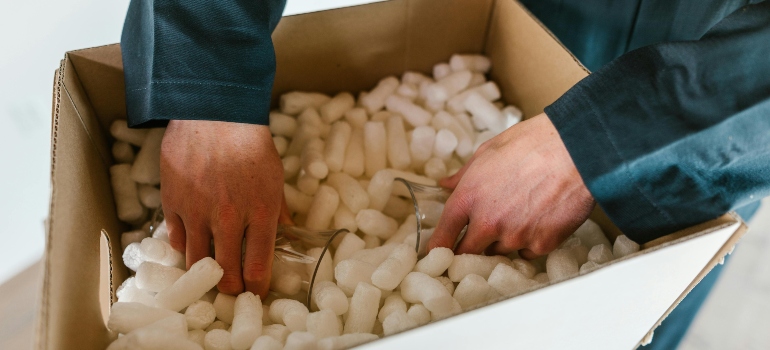
Functionally, materials serve as cushioning, barriers, containment, or wrapping. For example, bubble wrap cushions fragile electronics, while shrink wrap acts as a barrier for pallets. Comparing durability, cost, and environmental impact, cardboard and paper are eco-friendly, whereas plastics offer longevity but less sustainability. Experienced teams like movers Spring Branch TX, often combine these materials to protect items efficiently during transport.
How Do You Choose the Right Packaging Material?
Choosing the right packaging material starts with evaluating the product’s fragility and weight. Fragile items, such as glassware or electronics, require cushioning like bubble wrap or foam inserts. Heavier goods, like appliances, need sturdy boxes or reinforced crates. Next, consider shelf life and environmental conditions. Perishable items or moisture-sensitive products require barrier materials, while products stored long-term benefit from durable, airtight packaging. Balancing cost-effectiveness versus protection level ensures you don’t overspend, yet still prevent damage. For instance, using recycled cardboard may reduce costs while providing sufficient safety for moderately fragile goods. Sustainability also plays a key role. Biodegradable or recyclable materials reduce environmental impact without compromising protection. Experienced teams, such as furniture movers San Antonio, often combine different types of packaging materials to optimize safety and efficiency. In one case, fragile kitchenware was transported safely using layered cardboard, foam, and shrink wrap, minimizing breakage and customer complaints. This approach demonstrates how careful material selection improves outcomes.
What Types of Packaging Materials Are the Best for Fragile Items?
Fragile items require specialized materials to prevent damage during transport. Common options include bubble wrap, foam inserts, molded pulp, and air pillows. Bubble wrap is flexible and lightweight, ideal for wrapping individual items. Foam inserts provide structured support for electronics, while molded pulp cushions glass or ceramics. Air pillows fill empty spaces to prevent movement. Experiences from residential movers San Antonio show that careful packing significantly reduces breakage and protects delicate items during relocation. Proper layering, cushioning, and securing all parts are essential steps to ensure safe transport.

For those looking to minimize environmental impact, there are budget-friendly sustainable packing options for a move. These include recycled cardboard, biodegradable packing peanuts, reusable foam inserts, and eco-friendly paper wrap. Towels or linens can also act as padding. Combining these materials strategically protects items while supporting sustainability. Choosing the right solution balances cost, safety, and environmental responsibility, making your move both secure and eco-conscious.
What Works Best for Shipping and Storage?
For shipping and storage, corrugated boxes are highly effective. They distribute weight evenly and protect contents from external pressure. Plastic crates are excellent for repeated use, providing durability and stackability. Stretch film and shrink wrap secure pallets and prevent items from shifting during transit. Waterproofing materials and temperature-resistant solutions ensure goods remain safe under varying conditions. Professional packing companies emphasize layering, cushioning, and labeling to minimize damage. These methods are particularly useful for fragile or heavy products. Experiences from mistakes people make when moving to a smaller apartment show that improper packing often leads to breakage, emphasizing the need for careful material selection and proper handling techniques. When selecting the types of packaging materials for shipping, consider cost, reusability, and environmental impact. Eco-friendly alternatives like recycled cardboard and biodegradable wraps can reduce waste while maintaining protection. Combining materials strategically optimizes safety and efficiency. Real-life case studies demonstrate that choosing the right combination improves storage longevity and ensures safe delivery, even under challenging conditions.
How Can Eco-Friendly Packaging Materials Be Effective?
Eco-friendly packaging materials include recycled cardboard, biodegradable plastics, and paper padding. These options reduce environmental impact while providing adequate protection for most products. Businesses must balance sustainability with durability, ensuring that items remain safe during shipping and storage. Certifications such as FSC for paper products or compostable labeling for plastics help verify environmental claims. Brands like Patagonia and IKEA have successfully implemented eco-friendly solutions, showing that sustainable materials can be both practical and responsible.
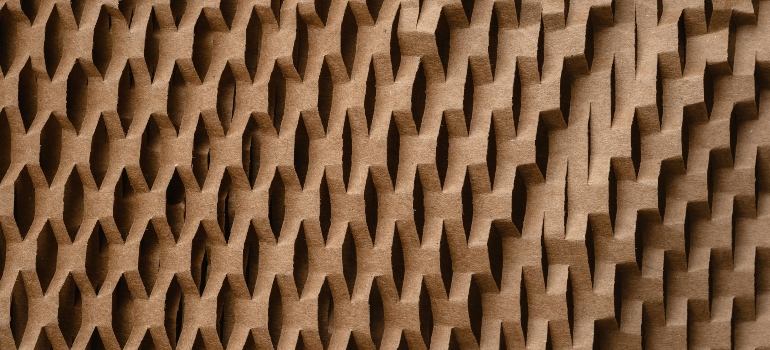
Understanding what are the types of packaging materials is essential for companies transitioning to greener options. Government and educational resources, such as the EPA’s Sustainable Materials Management program, guide on choosing and using eco-friendly materials effectively. Case studies demonstrate that combining recycled cardboard with paper padding or biodegradable wraps can maintain product safety while reducing waste. Professional packing experiences confirm that careful selection maximizes both protection and environmental benefits.
Choose Packaging Materials That Protect and Save Costs
Selecting the right packaging materials is crucial for protecting products and minimizing waste. Using sturdy boxes, cushioning, and barrier materials prevents damage during transport and storage. Proper choices also save costs by reducing returns, replacements, and spoilage. Companies with expertise in logistics and packaging can provide tailored recommendations for specific products, ensuring optimal protection and efficiency. Real-life experiences show that businesses that invest in the correct materials see fewer damages and more satisfied customers. Understanding what are the types of packaging materials allows you to make informed decisions. Our team can guide you in selecting materials that balance protection, sustainability, and cost-effectiveness. Consult us today for expert advice and solutions designed to safeguard your products while optimizing your packaging budget.
Ready to plan the real move?
Send both addresses, your date, and what you are moving. The team reviews access at each end and comes back with a written estimate.
Prefer to talk it through? Call (210) 683-4092, Mon–Fri 8:00 AM–5:30 PM and Sat–Sun 8:00 AM–4:30 PM.
Keep planning