West Campus turns over almost all at once. The neighborhood west of the University of Texas empties and refills in the same short stretch of late summer, timed to the academic calendar, and for a few days its narrow streets fill with trucks and dollies.
If you are the parent reading this from Houston, Dallas, or another state, this guide is written for you. Most of these moves are arranged and paid for by someone who will not be there to lift a box, and coordinating one from a distance is entirely workable once you know what the neighborhood does to a moving day.
The buildings here are walk-ups and mid-rises on a tight street grid. If your student is in a high-rise downtown instead, that building stock has its own rules, and the downtown Austin apartment moving checklist covers them. This guide stays in the blocks around campus.
Direct answer: A West Campus move is decided by timing and access rather than volume. Leases in the neighborhood end together in late summer, tied to the University of Texas calendar, so trucks, stairwells, and shared loading zones are all contested in the same few days. Fix the moving date as soon as both leases are signed and book the crew early. Confirm where a truck can legally stand on a narrow street, whether the unit is served by stairs or an elevator, and what hours the building allows moves. A parent can arrange all of it from out of town by sending photos of the unit, a short inventory, both addresses, and the name of whoever will be on site with keys.
Short answer: how do you plan a West Campus apartment move?
Plan a West Campus move around the turnover calendar. Most of the neighborhood's leases end in the same late-summer window, so fix your dates the moment both leases are signed and book the crew early. Confirm access with the property: where a truck can stage, whether the unit is reached by stairs or an elevator, and what hours the building permits moves. Send the mover photos of the unit, a simple inventory, and both addresses, and name the person who will be on site with keys. A typical unit here is one or two rooms of furniture, and it is still crew work, because stairs, shared loading zones, and turnover-week timing are what the job actually is.
The turnover, and why it runs the plan
The University of Texas fall semester starts in late August, and the private leases around campus are written to match. The practical result is a compressed season: a large share of the neighborhood's move-outs and move-ins land within days of each other, and everything a move needs, from trucks to a clear stretch of curb, is claimed early.
Two things follow. First, book the crew the moment both lease dates are firm, because the season fills in the order requests arrive. Second, expect a gap. Old leases here often end a few days before new ones begin, and a plan for those days, whether that is a family-rented storage unit or a friend's garage, belongs in the schedule from the start.
If your student is leaving one Austin apartment for another, the old unit comes with obligations of its own. The Austin apartment move-out checklist covers the deposit documentation, notice, and utility close-out side.
Narrow streets and shared loading zones
The blocks west of Guadalupe Street are tight: narrow streets, dense parking, and several buildings often sharing a single stretch of curb or one small loading area. During turnover week, that stretch is negotiated hour by hour among whoever shows up.
The curb itself is public right of way, managed by Austin Transportation and Public Works, and posted signs control what can stand where. CapMetro runs buses through the neighborhood as well, and a truck cannot block a bus stop, whatever the schedule pressure says.
Ask the property where movers usually stage, get the answer in writing, and pass it to the crew. A confirmed spot and a confirmed window remove most of what goes wrong here.
Coordinating the move from out of town
Most West Campus moves are parent-run at a distance, and moving companies are used to it. What the estimate needs does not require anyone to be in Austin: photos or a short video of the unit, a simple inventory (bed, desk, dresser, box count), both addresses, and the dates.
Two details make the remote version work. Name one person who will be on site with keys, share their number with the crew and the office, and let them make the small calls on the day. And put every access detail you learn, the staging spot, the stair count, the allowed hours, into the estimate request rather than saving it for a phone call.
Small inventory, real crew work
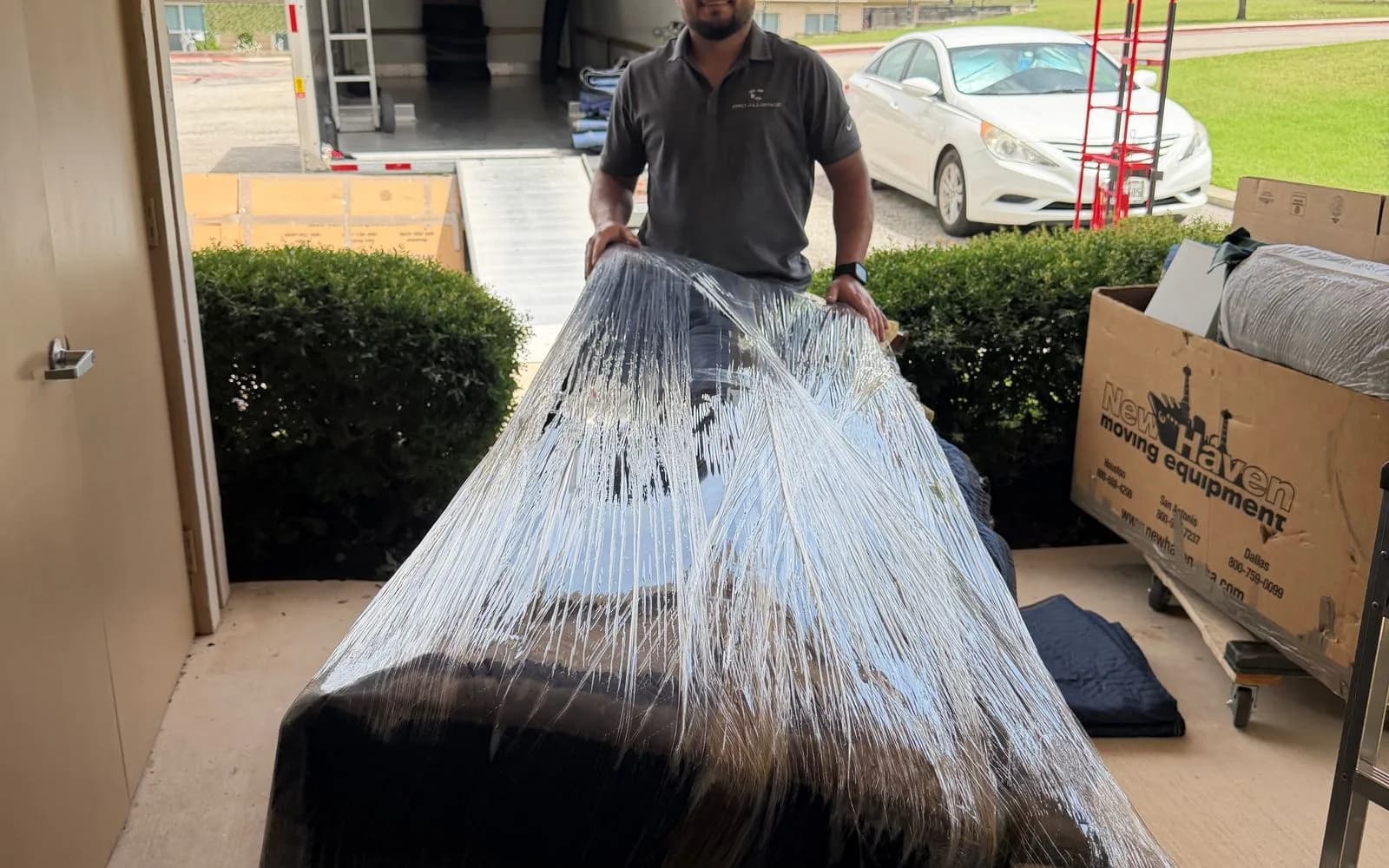
A one-bedroom near campus might be a single truckload with room to spare, and it is tempting to treat that as a job for a couple of friends. The inventory is the easy part. The work is a sleeper sofa on a switchback stairwell, a mattress carried down three flights in August heat, and a shared loading zone that opens for one window and then goes to the next building.
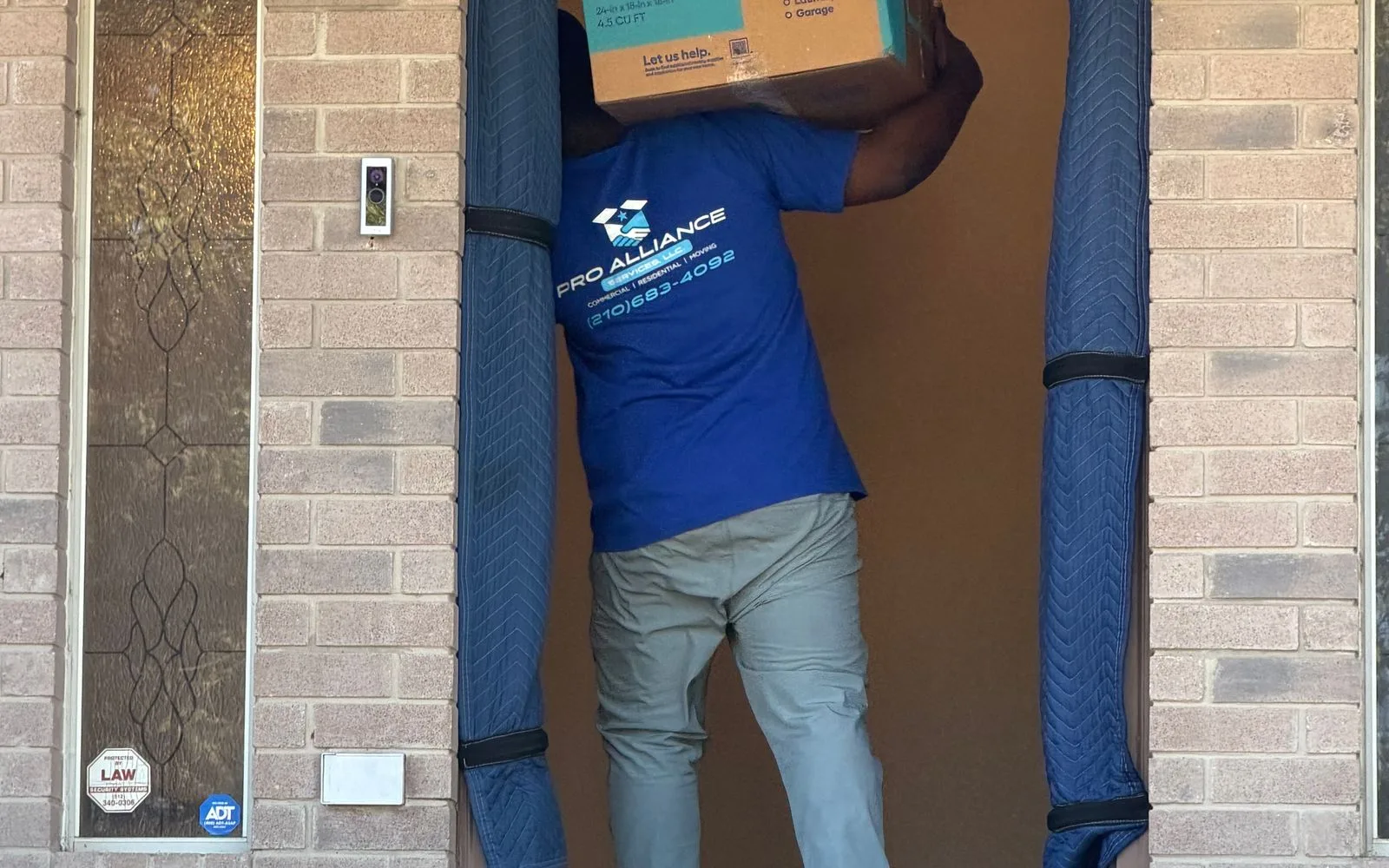
Crews solve those with pads, straps, door protection, and practice. On small jobs the quote follows the route more than the volume: the flights of stairs, the carry distance, and the timing shape the plan more than the count of boxes does.
The West Campus planning checklist
- Fix the moving date as soon as both lease dates are known, and book the crew early for any late-summer move.
- Ask the property where a moving truck may stage and what hours it allows moves, and get the answer in writing.
- Find out whether the unit is reached by an elevator or by stairs, and count the flights.
- Send the mover photos or a short video of the unit along with a simple furniture and box count.
- Name the person who will be on site with keys and share their phone number with both the crew and the office.
- Check whether the old lease and the new lease overlap, and plan for the gap days if they do not.
- Finish packing and labeling before moving day, because a shared loading window leaves no room for packing on the clock.
- Set aside the things that travel by car, like documents, medications, laptops, and whatever the first night requires.
Where Pro Alliance fits
Send both addresses, the dates, photos of the unit, a short inventory, and the name of your on-site contact, and the team reviews the access and prepares a written estimate for the actual route. Start with the apartment moving page or the Austin movers page, then use the free estimate form.
Frequently asked questions
Can I arrange the move for my student from another city?
Yes. Estimates for these moves are routinely handled with photos, a short inventory, and the two addresses, with no one required in Austin until moving day. Booking and payment work at a distance as well.
The one thing the plan needs locally is a named person with keys who can meet the crew and make small decisions on site.
Is a studio too small a job to hire movers for?
No. Small-inventory moves are common in this neighborhood, and the quote follows the route rather than the volume. Stairs, carry distance, and the loading window are what the crew is actually solving.
If the inventory is a bed, a desk, and boxes, say exactly that in the estimate request so the quote reflects the real job.
What if the old lease ends before the new one starts?
Gaps of a few days are common during turnover. Some families bridge them with a self-storage unit they rent for the month, which turns the move into a load, a stored stretch, and a second delivery.
Decide this before booking, because a move with a storage stop is planned and quoted differently than a direct one.
When should we book a late-summer move near campus?
As soon as both lease dates are firm. The turnover window concentrates most of the neighborhood's moves into a few days, and calendars fill in the order requests arrive.
There is no trick beyond earliness. If the dates change later, telling the mover promptly keeps the plan intact.
Do we need permission from the university to move in or out?
For privately owned West Campus buildings, no. The property sets its own rules on hours, staging, and elevators, and the leasing office is the authority to ask.
University-operated housing publishes its own move-in and move-out procedures, so students living on campus should follow the university's current instructions rather than a general guide.
Sources
Ready to plan the real move?
Send both addresses, your date, and what you are moving. The team reviews access at each end and comes back with a written estimate.
Prefer to talk it through? Call (210) 683-4092, Mon–Fri 8:00 AM–5:30 PM and Sat–Sun 8:00 AM–4:30 PM.
Keep planning