Households leave the Austin core in every direction, and the direction shapes moving day more than the mileage does. A move to Georgetown and a move to Dripping Springs can cover a similar distance on paper. One runs up an interstate, the other winds into the Hill Country, and the two days feel nothing alike.
This guide compares the four corridors most households choose between: north along I-35 and the 183A toll road, northeast to the newer subdivisions, southwest into the hills, and south down the interstate toward San Marcos. It stays at the corridor level on purpose. Every destination below has its own page with street-level detail, and this one exists to route you to the right one.
Direct answer: Choose the corridor for the life you want, commute included, then plan moving day around what that corridor is like to drive with a loaded truck. The north corridor (Round Rock, Cedar Park, Leander, Georgetown) is the most built out, carried by I-35 and the 183A toll road. The northeast (Pflugerville, Hutto) rides SH 45 and SH 130 into newer subdivisions. The southwest (Lakeway, Bee Cave, Dripping Springs) means winding Hill Country roads and long driveways. The south (Kyle, Buda, San Marcos) is a straight run down I-35, construction permitting. In every case the move changes shape at the destination: building access questions at the apartment end give way to driveway, curb, and garage questions at the house.
Short answer: which Austin suburb corridor fits your move?
Austin's suburbs sort into four corridors, and each drives differently on moving day. North, I-35 and the 183A toll road reach Round Rock, Cedar Park, Leander, and Georgetown, the most established suburban stretch. Northeast, Pflugerville and Hutto sit off SH 45 and SH 130, with newer subdivisions and county roads at the edges. Southwest, Lakeway, Bee Cave, and Dripping Springs are Hill Country towns, reached on winding state and ranch-to-market roads. South, Kyle, Buda, and San Marcos line up along I-35 between Austin and San Antonio. Pick the corridor that fits your commute and your budget, then read the guide for your specific city, because street patterns, access, and drive time differ more between corridors than most people expect.
What changes when a city apartment becomes a suburban house
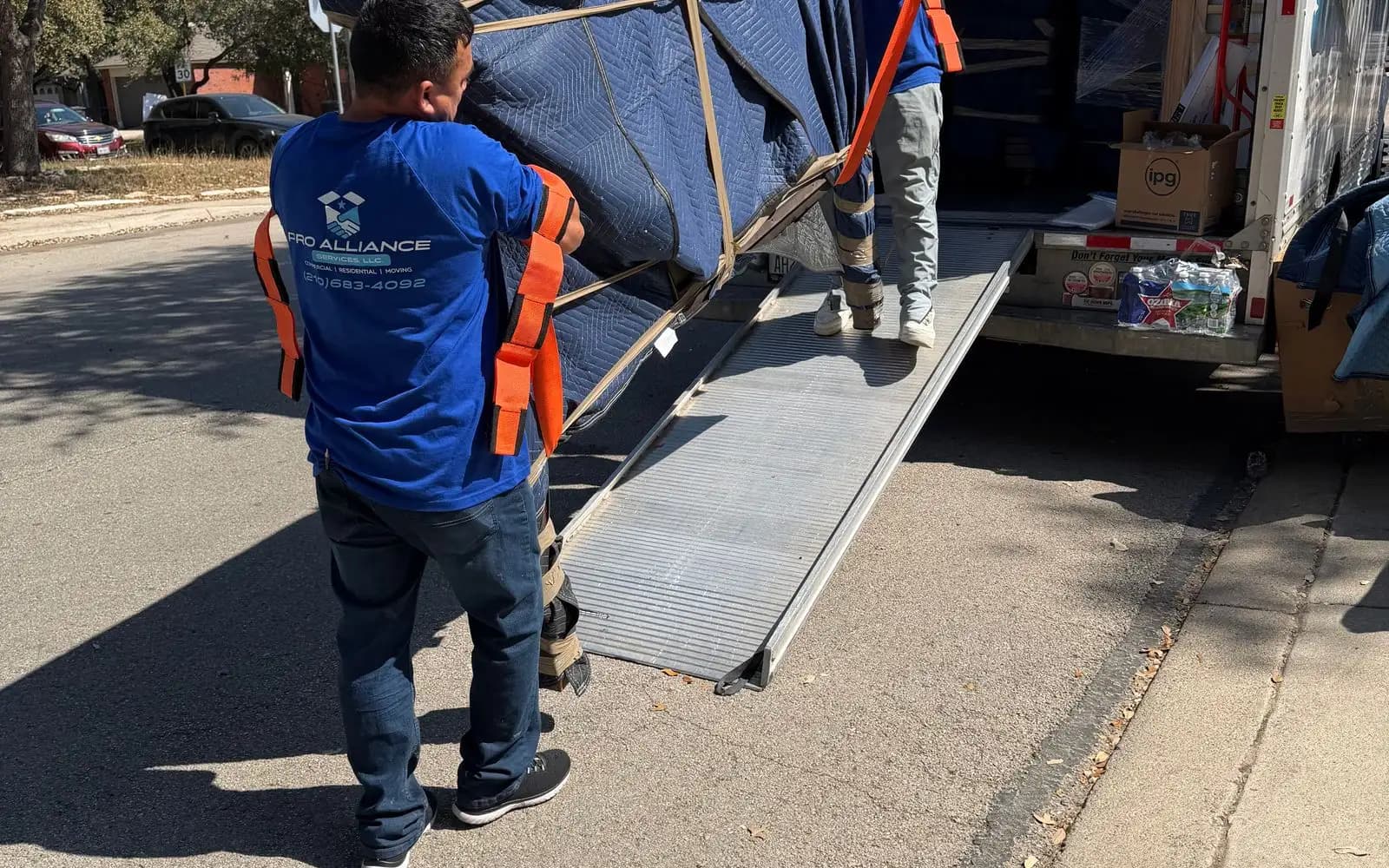
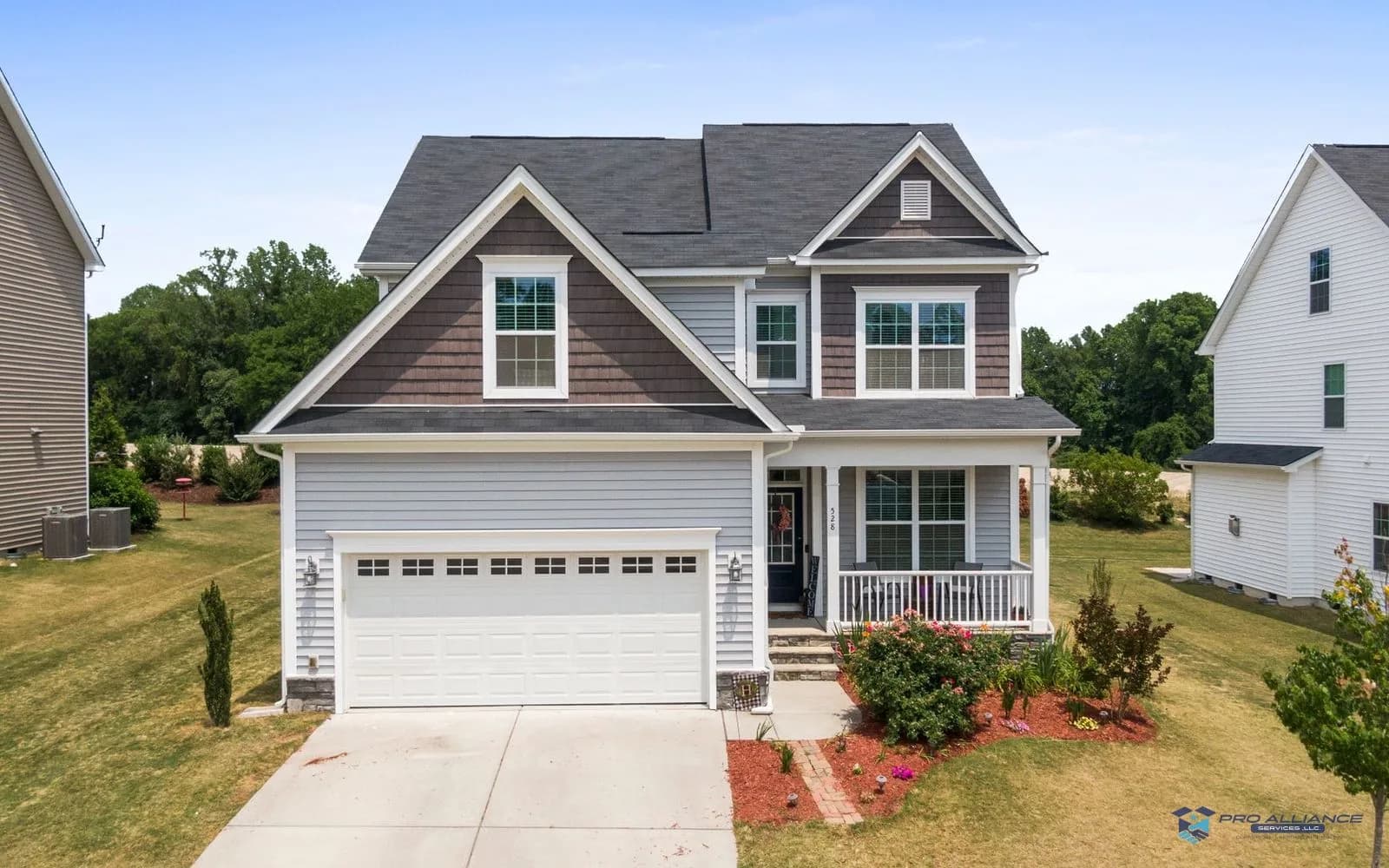
The inventory usually stays the same; everything around it changes. At the apartment end, the questions are the familiar building ones: where the truck stages, whether an elevator needs reserving, what hours the property allows. At the house end, the questions get physical. How steep is the driveway, will low branches or a basketball hoop stop the truck, is there a curb long enough to park along, does the neighborhood have a gate.
The drive in the middle is the new ingredient. A crosstown move measures its distance in minutes, while a corridor move can put an hour of loaded driving between the load and the unload, so the departure time starts to matter. The TxDOT Austin District publishes current construction across the metro, and checking your route the week of the move is worth the five minutes.
Most corridor moves still load and unload in one day. Inventory and access at both ends decide it, which is why the estimate request should describe both addresses in equal detail.
North: Round Rock, Cedar Park, Leander, and Georgetown
The north corridor is the region's most established suburban run, and it splits into two spines. I-35 carries you into Round Rock and on to Georgetown. Farther west, the 183A toll road, operated by the Central Texas Regional Mobility Authority, is the clean run into Cedar Park and continues toward Leander.
For a moving day, the difference between the two spines is mostly traffic character. The interstate is direct and congested, and the toll road trades a toll for a steadier drive with a loaded truck. Each of the four city pages covers its own subdivisions, access patterns, and timing.
Northeast: Pflugerville and Hutto
The northeast corridor is the newest of the four, and its roads show it. Pflugerville sits between I-35 and SH 130, with SH 45 linking the two, and Hutto continues northeast along US 79. SH 130 matters here: it is the wide bypass east of the city, and for a truck leaving central Austin it can beat the interstate even when the map calls it longer.
At the edges of both cities, newer subdivisions hand off to roads maintained by Williamson County Road and Bridge, and the pavement can go rural within a mile of a brand-new rooftop. The two city guides cover what that means street by street.
Southwest: Lakeway, Bee Cave, and Dripping Springs
The southwest corridor is the one where the drive itself becomes the story. Lakeway and Bee Cave are reached on RM 620 and the state roads threading the hills west of the city, and Dripping Springs sits farther out on US 290 West. These are winding two-lane stretches in places, with grades and curves that hold a loaded truck well below highway pace.
The destinations match the roads. Long driveways, steep approaches, and gated communities are common here, and they change where a truck can stand and how far the crew carries. The three city guides go into those specifics; for planning purposes, give this corridor more drive time than the mileage suggests.
South: Kyle, Buda, and San Marcos
The south corridor is the simplest to describe: Buda, then Kyle, then San Marcos, stacked down I-35 between Austin and San Antonio. The interstate is the spine, construction along it is a long-running fact of the drive tracked on the state's project pages, and SH 130 offers an eastern alternative for part of the run.
These three cities have grown fast, and each guide covers its own mix of new subdivisions and older streets. For a household leaving the Austin core, this is also the corridor where Pro Alliance's two-metro footprint helps most, since the company works both the Austin and San Antonio ends of the interstate.
Planning the day: the corridor move checklist
Whichever direction you pick, the same preparation carries the day.
- Read the city page for your destination before booking, because access and street patterns differ suburb by suburb.
- Walk the new home's approach and note the driveway slope, overhead branches, and where a truck can stand.
- Confirm the apartment end's rules, including any elevator reservation, the loading area, and permitted hours for the load-out.
- Drive or map the route between the two addresses at the hour the truck will actually travel it.
- Check current construction on your corridor during the week of the move, since closures and lane shifts change.
- Measure large furniture against the new home's door widths and stair turns rather than assuming a house is easier than an apartment.
- Set up utility service at the new address before moving day, since suburban providers differ from the city's.
- Keep documents, medications, chargers, and the first night's essentials in the car rather than the truck.

Where Pro Alliance fits
Send both addresses, your date, and a room-by-room inventory, along with the apartment building's requirements and anything notable about the new home's approach. The team plans the corridor drive as part of the job and prepares a written estimate. Start with the Austin movers page, then use the free estimate form.
Frequently asked questions
Which corridor is easiest for a moving day?
None of them wins outright. The interstate runs are direct but congested, the toll roads are steadier, and the Hill Country roads are slow in a different way. The easiest day is the one planned around the corridor you actually have: the right departure hour, a checked route, and access confirmed at both ends.
Can the whole move happen in one day?
Usually, for these distances. What decides it is inventory and access: a large household, a long carry at either end, or a tight elevator window can stretch the plan.
Describe both ends fully in the estimate request and the answer comes back specific to your move.
Is a move to the suburbs quoted differently from a move across Austin?
The inputs are the same, inventory and access, with the drive added as a third. A corridor move puts an hour of loaded driving inside the working day, so the distance between the addresses shapes the plan more than it would on a crosstown move.
Do we need to think about tolls?
Only as a route choice. The regional toll roads are electronic, with no cash booths, and whether the truck uses them is part of planning the drive. If you have a preference either way, say so in the estimate request.
What if the house is not ready when the apartment lease ends?
Gaps happen, especially around closings. Some households bridge one with a self-storage unit they rent near the destination, which turns the move into a load, a stored stretch, and a later delivery.
Flag the gap when you request the estimate, because a move with a storage stop is planned differently from a direct one.
Sources
Ready to plan the real move?
Send both addresses, your date, and what you are moving. The team reviews access at each end and comes back with a written estimate.
Prefer to talk it through? Call (210) 683-4092, Mon–Fri 8:00 AM–5:30 PM and Sat–Sun 8:00 AM–4:30 PM.
Keep planning