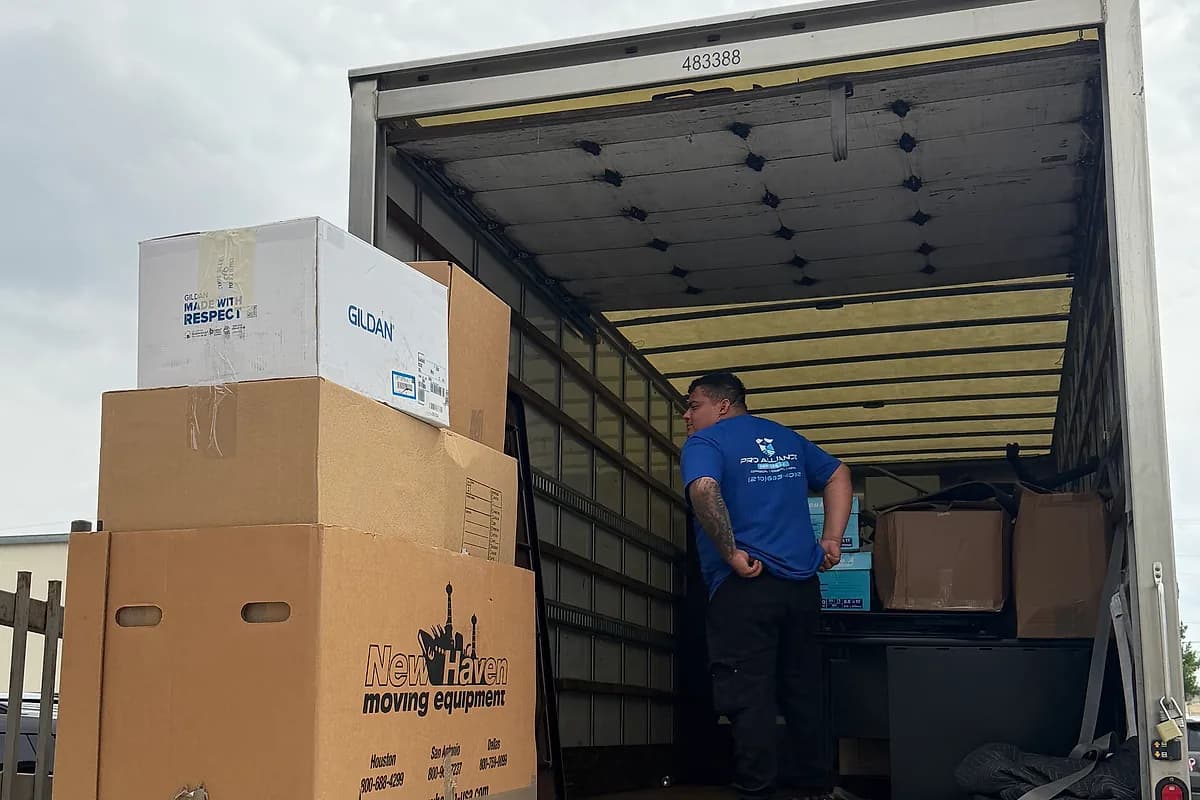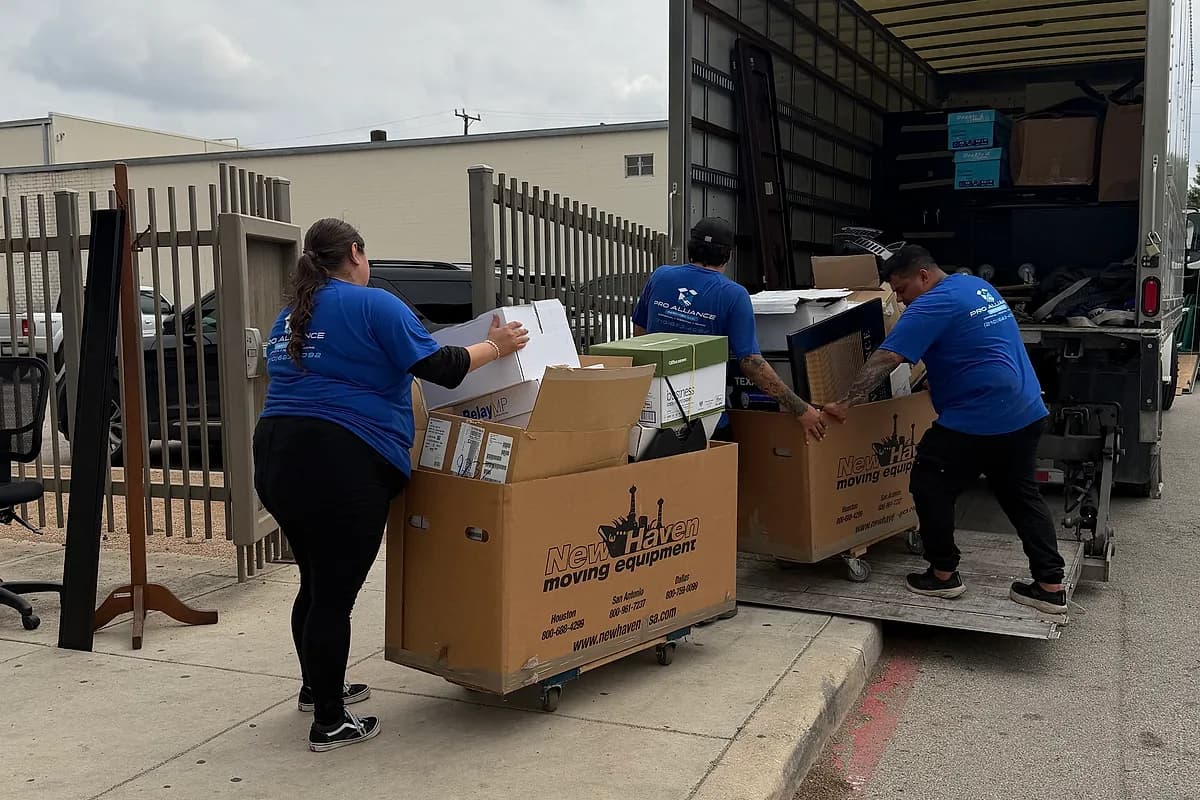
An apartment, condo, or managed-building move needs more than an inventory and two addresses. The workable plan must connect the building's current rules, the legal loading point, the route to the unit, the reserved time, and the mover's scope. Collecting those details before the estimate helps expose access problems while they can still be solved.
Direct answer: Ask both properties for written moving instructions, then build one packet for pickup and one for delivery. Each packet should identify the approved loading point, move hours, elevator or stair route, garage clearance, check-in contact, access method, surface-protection rules, and any required paperwork. Send both packets with the inventory and date before the move plan is finalized.
Short answer: what belongs in a managed-building move packet?
A useful San Antonio managed-building move packet identifies who controls the property, where a moving vehicle may legally stand, and how every item travels from the truck to the unit. Include the property manager or security contact, approved arrival window, loading location, garage height, elevator reservation, elevator dimensions, stair count, carrying distance, door and hallway measurements, access instructions, and rules for floors or walls. Add the inventory, oversized-item photos, requested packing services, and destination room plan. Keep private gate codes and resident credentials out of public notes. Public curb questions should go to the responsible city, while private loading, elevators, and building paperwork should be confirmed with the property. Build a separate packet for each address because pickup and delivery rules rarely match perfectly.
Start with the party that controls each space
A property manager controls private loading docks, garages, elevators, hallways, and resident procedures. The City of San Antonio controls public streets, metered spaces, and certain loading zones. An association may control a private gate or common area. These are different decision makers.
Ask the building which spaces are private and which are public. If the expected loading point uses public curb space, verify the current City process. San Antonio publishes parking restriction permit guidance for certain Downtown meter and loading-zone uses, but that does not mean every managed-building move needs the same permit. The exact block, vehicle, time, and posted restrictions matter.
Collect the building requirements before choosing the arrival window
Request the current move instructions from both properties. A useful response should address:
- permitted move dates and hours;
- loading dock, garage, or approved curb location;
- vehicle height, length, or access limits;
- freight or passenger elevator availability;
- reservation length and competing bookings;
- security check-in and property contacts;
- keys, fobs, call boxes, and service entrances;
- floor, wall, door, or elevator protection;
- paperwork, deposit, or notice deadlines;
- rules for storage rooms, balconies, and trash.
Do not assume a requirement because another building used it. If management requests a document, ask for its exact name, recipient, due date, and required contents.
Map the route from truck to room
The longest delay may be inside the property. Walk the approved route and record:
- the truck position;
- the distance to the entrance;
- gates or secured doors;
- stairs and landings;
- elevator location and interior dimensions;
- hallway turns and narrow doors;
- the destination floor and room.
Measure large furniture and the narrowest part of the route. A piece can fit the apartment but fail at the elevator door, stair turn, or service corridor. Share photos and measurements before loading, not after the truck reaches the destination.

Use the guide that matches the local problem
- Medical Center apartment access and route planning
- Pearl and Midtown mixed-use building moves
- Southtown and King William apartment moves
- UTSA-area apartment moving checklist
- La Cantera and The Rim apartment moving guide
- Two-building elevator-window plan
- Renter move-out condition checklist
- Gated-apartment moving checklist
- Utility, key, and address handoff
Build the final move-day contact sheet
Keep one short contact sheet separate from the full packet. Include the resident, mover, pickup property, delivery property, security desk, and any approved after-hours contact. Add the two reservation confirmations, loading instructions, and a note showing who will open each secured point.
Do not place private access codes in an unsecured group message. Use the method required by the property and share access only with the people who need it.
Complete a final 48-hour verification
Treat the packet as a working document rather than a form that is finished once. Reconfirm the move window, approved entrance, loading position, elevator or stair route, security procedure, and on-site contact about 48 hours before the scheduled arrival. Ask whether construction, maintenance, another move, a special event, or a staffing change affects the instructions. If either property changes a rule, send the revised direction to every person who is relying on the old version.
Review the inventory at the same time. Identify furniture that needs disassembly, unusually heavy items, fragile pieces, plants, electronics, or anything that cannot use the normal route. Confirm which tasks are included in the requested moving scope and which tasks remain the resident's responsibility. Building approval does not add a service to the moving agreement, and a moving estimate does not override building rules.
Use a simple final verification list:
- Confirm both move windows and reservation numbers.
- Confirm the legal vehicle position and approved entrance.
- Confirm elevator, stair, and carrying-route details.
- Confirm who opens every secured point.
- Confirm inventory changes and requested services.
- Confirm a backup property contact for each address.
- Keep keys, credentials, medicine, documents, and first-night items with the resident.
- Send the final packet through a private, reliable channel.
If a required answer is still missing, label it as unresolved instead of guessing. The responsible property or public authority must answer access questions within its control. Pro Alliance can use the confirmed information to evaluate the moving request, but only the property can approve access.
Where Pro Alliance fits
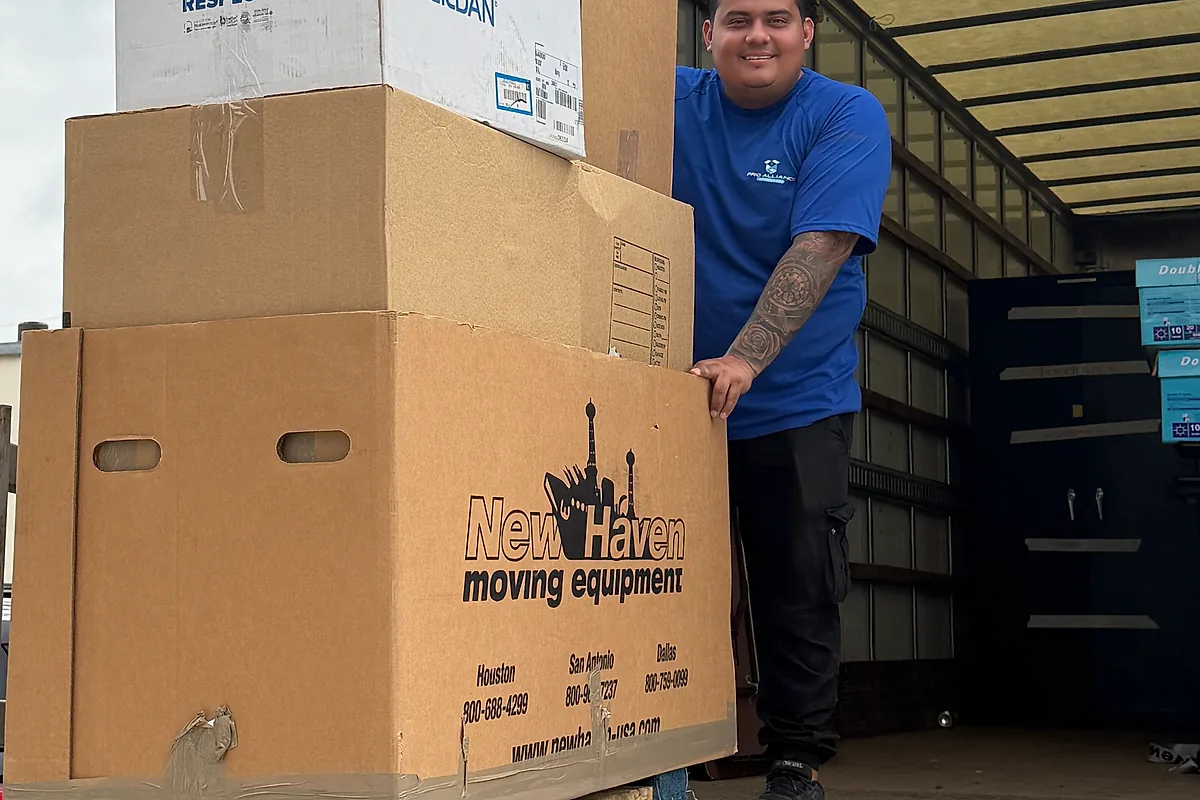
Pro Alliance Services can review a local apartment or managed-building request after receiving the addresses, date, inventory, building packets, access details, and requested services. Availability and scope must be confirmed for the specific move. Review apartment moving services, local moving services, or request an estimate with the facts needed to evaluate the job.
Frequently asked questions
Does every San Antonio apartment move need a freight elevator?
Buildings differ. Some use passenger elevators, stairs, exterior corridors, or direct garage access, so confirm the approved route with each property.
Does every managed building require a certificate of insurance?
No citywide rule applies to every property. Ask management whether any insurance document is required, what it must show, who receives it, and when it is due.
Can a moving truck use an open curb near the building?
Check before counting on it. Confirm whether the space is public or private, review posted restrictions, and ask the responsible property or city office what applies.
What details should I send before requesting an estimate?
Send both addresses, date, inventory, stairs, elevator details, carrying distance, approved loading points, building contacts, paperwork deadlines, and requested packing or disassembly help.
When should I reconfirm the building instructions?
Reconfirm close to the move, ideally about 48 hours before arrival, and again after any property notice, construction update, reservation change, or access problem.
Sources
Ready to plan the real move?
Send both addresses, your date, and what you are moving. The team reviews access at each end and comes back with a written estimate.
Prefer to talk it through? Call (210) 683-4092, Mon–Fri 8:00 AM–5:30 PM and Sat–Sun 8:00 AM–4:30 PM.
Keep planning