Wall art is fragile and often valuable, so it needs special care during a move. Scratches, cracked glass, and bent frames are common risks. Even small bumps can cause hidden damage. Therefore, you should plan and use the right materials. For example, a moving crew in San Antonio once transported a large canvas without padding. As a result, the surface tore during transit. In contrast, another team used corner protectors and wrap, and the artwork arrived safely. When you review moving quotes San Antonio, ask how they handle delicate items. In addition, learn how to pack wall art when moving to avoid costly mistakes. Careful steps protect both sentimental and high-value pieces.
Assessing and sorting your wall art
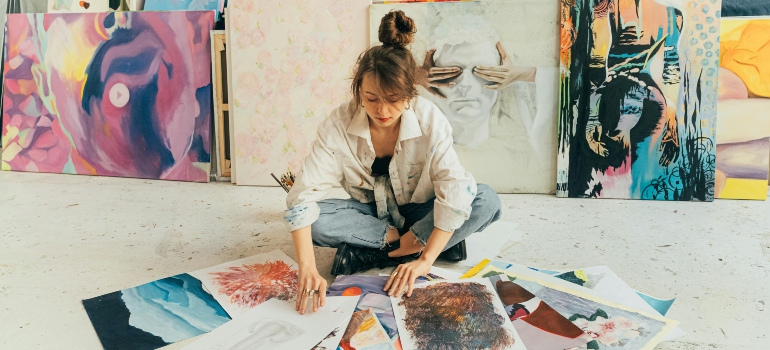
Start by reviewing each piece of wall art and sorting it by size, value, and fragility. Fragile items include glass frames, mirrors, and canvases with thin stretchers. In addition, valuable pieces may need insurance or special crates. Oversized artwork also requires extra support and planning.
Next, decide what you can handle yourself and what needs expert care. For example, small prints are easier to pack for moving with basic supplies. However, large or antique pieces are safer with professionals like movers Bulverde Texas. They use custom boxes and padding. As a result, you reduce the risk of damage and stress during your move.
Gathering the right packing materials
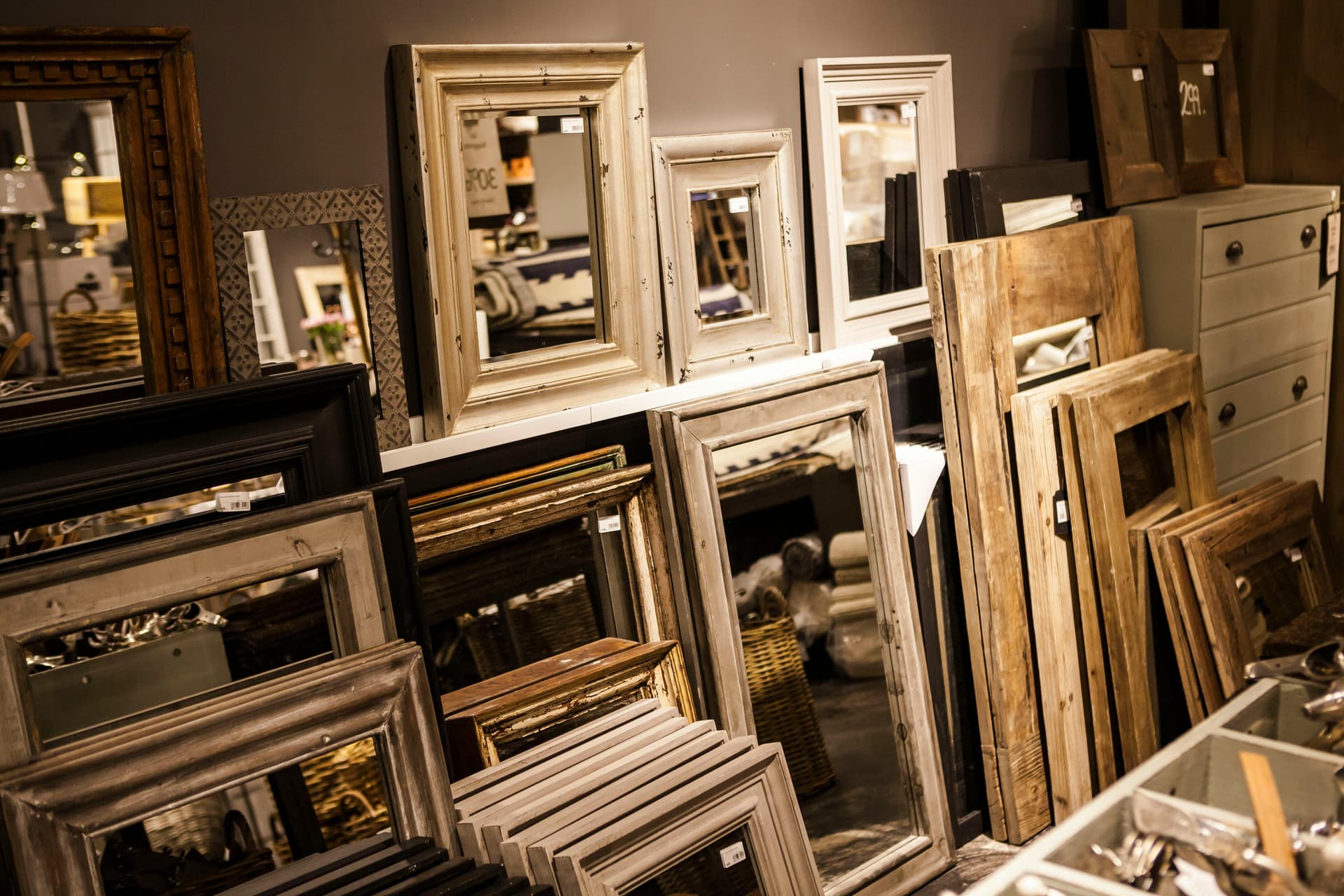
Use the right packing materials to protect your wall art from damage during a move. Start with packing paper, which is clean, soft paper used to wrap surfaces. Next, add bubble wrap for cushioning and shock absorption. Corner protectors are also important, as they shield frame edges from dents. Finally, choose sturdy, double-wall boxes that fit your artwork closely. In addition, select materials that prevent shifting and pressure damage. For example, fill space with foam or paper to stop movement. Moreover, avoid oversized boxes, as items can slide inside. Many apartment movers San Antonio follow this method to reduce risk. When you prepare to pack wall art during moving, quality materials make a clear difference.
Step-by-Step: How to pack wall art properly
Start by wrapping each piece to protect it from scratches and cracks. First, cover the glass with packing paper to reduce direct pressure. Then, add bubble wrap for shock absorption. This method helps when you need to pack wall art for a move safely. Make sure the wrap is firm but not too tight.
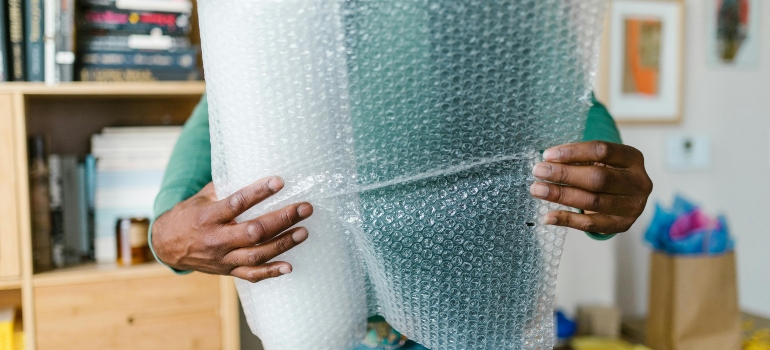
Next, place corner protectors on all frame edges to prevent dents. After that, add extra padding layers for better support. Choose a box that closely fits the artwork size. In addition, fill empty spaces with paper or foam to stop movement. Many packing services San Antonio use this method to keep artwork secure during transport.
Labeling and organizing for easy unpacking
Start by wrapping each piece carefully to prevent scratches and cracks. First, cover glass surfaces with packing paper to avoid direct pressure. Then, add bubble wrap for shock absorption. This step is essential when learning how to wrap paintings when moving. Next, secure the layers with tape, but do not tape directly on the frame or artwork. After that, place corner protectors on all edges to reduce impact damage. Then, add extra padding around the frame for support. Choose a box that fits the item closely. In addition, fill empty spaces with paper or foam to stop shifting. Budget-friendly sustainable packing options for a move include recycled paper and reusable wraps.
When to hire professional movers in Bulverde
Hire professional movers when your wall art is large, valuable, or highly fragile. Oversized frames, glass-covered prints, and antique pieces carry a higher risk during transport. Therefore, expert handling is often the safer choice. For example, original paintings or gallery pieces need custom crates and careful loading. If you are unsure how to pack wall art when moving, professionals can prevent costly damage.
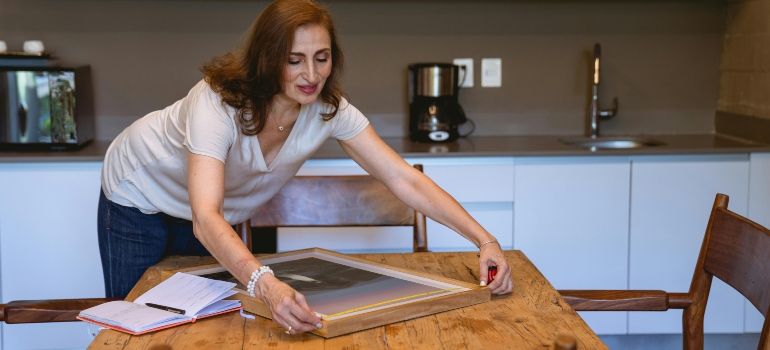
In addition, our experienced movers use proven methods and quality materials. They know how to protect corners, surfaces, and frames during transit. As a result, your items arrive in better condition. A guide to relocating vintage furniture often highlights similar care standards for delicate items.
Loading and transporting artwork safely
Place artwork upright in the moving truck to avoid bending or pressure damage. Never stack heavy items on top, as this can crack frames or glass. Use padding between pieces to prevent contact and scratches. Following the best way to pack paintings when moving ensures each item remains stable during transport. Additionally, minimize vibration and shifting by securing boxes with straps or wedges. Experienced moving companies often recommend placing fragile pieces along the truck walls and using blankets or foam for extra cushioning. For example, large mirrors are safer between soft furniture, while canvases fit snugly in custom crates. Proper placement reduces the risk of damage significantly.
Unpacking and reinstalling wall art
Unpack each piece with care and inspect it for any transport damage. First, unwrap slowly and remove padding without forcing anything. Then, check for scratches, cracks in glass, or dents in frames. Next, look at canvas tension and paper edges for creases or warping. If you find issues, record them with photos right away for reference. Before rehanging, prepare the wall and hardware you need. Good tools and anchors make a big difference. Key steps include:
- Use wall studs or proper anchors for heavier pieces
- Position hangers at eye‑level using a level tool
- Test stability before leaving the artwork in place
Careful unpacking and secure mounting ensure your pieces remain safe and beautiful after you pack wall art when moving.
Final checklist for packing wall art
Start by assessing each piece of wall art for size, fragility, and value. Next, gather high-quality packing materials such as bubble wrap, corner protectors, and sturdy boxes. Then, wrap and secure each item carefully to prevent scratches or cracks. After packing, label boxes clearly with “Fragile” and the correct orientation. During transport, keep items upright and cushioned to reduce movement and vibration. Finally, unpack with care and inspect each piece for damage. Following these steps ensures a smooth, safe move. By taking time to pack wall art when moving, you protect your valuable and sentimental pieces from damage and stress.
Ready to plan the real move?
Send both addresses, your date, and what you are moving. The team reviews access at each end and comes back with a written estimate.
Prefer to talk it through? Call (210) 683-4092, Mon–Fri 8:00 AM–5:30 PM and Sat–Sun 8:00 AM–4:30 PM.
Keep planning